
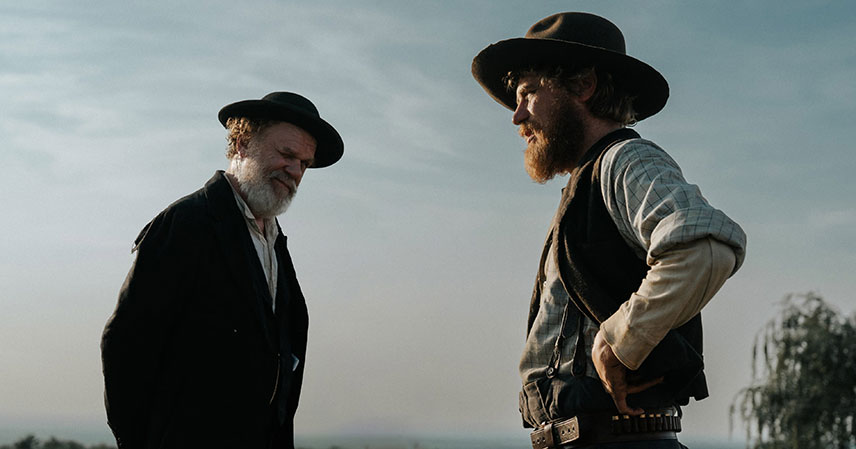
The cinematic landscape often presents a fascinating paradox. Some films boast impeccable technical execution, stunning visuals, and a meticulously crafted atmosphere. Yet, they struggle to resonate with audiences on a deeper, emotional level. This appears to be the case with a recent drama set in 1870s Wisconsin, which, despite its impressive technical merits, leaves critics yearning for more substantive emotional engagement.
Directed by first-timer Dara Van Dusen, this adaptation of Stewart O’Nan’s novel attempts to weave a sombre tale of the American Old West. It features notable talent like Johnny Flynn and John C. Reilly, whose presence typically guarantees a certain gravitas. However, early reviews highlight a significant disconnect. The film’s striking visuals and deliberate mood-making seem to override its ability to tell a truly compelling story, particularly one steeped in the harsh realities of a frontier epidemic.
The Technical Canvas: A Glimpse into 1870s Wisconsin 🖼️
From a purely technical standpoint, the film excels. It showcases a concerted effort in image-making and mood-setting. The director, Van Dusen, demonstrates a clear eye for detail. This attention to period authenticity is palpable.
The visual gestures are often described as striking and even shocking. This suggests a bold artistic vision. Such visual storytelling can transport viewers directly into the bleak world of 1870s Wisconsin. The film’s sound design and cinematography likely contribute significantly to its overall technical accomplishment. This meticulous craftsmanship is a testament to the crew’s dedication. It builds a believable, albeit grim, historical backdrop.
The setting itself – a frontier town in Wisconsin in 1870 – offers rich material. It speaks to a challenging era in American history. Life was unforgiving, and communities were often isolated. The film aims to capture this raw, untamed existence. The visual portrayal of an unfolding epidemic adds another layer of historical realism. It underscores the fragility of life during that period. This technical foundation provides a strong base. However, a strong foundation alone does not guarantee a strong emotional connection.
The Emotional Void: Where Narrative Falls Short 💔
Despite its technical brilliance, the film reportedly suffers from a profound lack of emotional substance. Critics point to a narrative that feels detached. The visual spectacle, while impressive, fails to connect with an underlying emotional truth. This creates a viewing experience that is more observational than immersive.
The central character, Jacob, played by Johnny Flynn, is a fascinating figure. He serves as both sheriff and pastor in the frontier town. His past is haunted by traumatizing service in the Civil War. This background offers immense potential for character development. It could explore themes of trauma, faith, and leadership under duress. Yet, the film seems to skim the surface of these complex internal struggles. The audience struggles to fully grasp Jacob’s inner world.
The film introduces Jacob’s wife, Marta (Kristine Kujath Thorp), and their young child. This family unit should provide an emotional anchor. It should ground the unfolding epidemic in personal stakes. However, if these relationships lack depth, their presence becomes merely functional. The narrative struggles to build sustained emotional investment. This often happens when plot points are presented without sufficient character development. The film feels like a series of striking images. These images are not always woven into a cohesive emotional tapestry. This can leave viewers feeling unfulfilled. They see the events but do not *feel* them.
Challenges for the Debut Director: Bridging Vision and Emotion 🎬
Dara Van Dusen, as a first-time director, faces unique hurdles. Adapting a novel to the screen is inherently difficult. It requires translating prose into visual and emotional language. The ambition to create a moody, atmospheric piece is commendable. However, balancing atmosphere with narrative drive is crucial. Many debut filmmakers prioritize visual style. They might overlook the nuances of character arc and emotional pacing. This can result in a film that looks good but feels hollow.
The criticism suggests the film might feel like a short film stretched to feature length. This implies a lack of narrative density. It suggests that while individual scenes might be powerful, they don’t build towards a compelling whole. Sustained storytelling requires a careful rhythm. It needs moments of quiet reflection balanced with dramatic tension. For a director new to features, maintaining this balance across an entire film is a significant challenge. It demands a deep understanding of pacing and audience engagement. This film, according to initial reactions, struggles in this area.
Beyond the Screen: The Broader Context of Epidemic Dramas 😷
Epidemic dramas, especially those set in historical contexts, carry significant weight. They often reflect on human resilience, societal breakdown, and the fight for survival. Films like ‘Contagion’ or ‘Outbreak’ show the immediate scientific and social impact. Historical pieces explore deeper human frailties. This particular film’s setting in 1870s Wisconsin during an outbreak offers potent themes. It could explore isolation, fear, and the limitations of medicine. It could also highlight community spirit or its absence. The period context of the American Old West adds layers of rugged individualism.
Key Insights: What We Learn from ‘The Unnamed Film’ 💡
- Technical Mastery vs. Emotional Resonance: A film can be visually stunning and technically proficient, yet fail to connect with audiences if it lacks a compelling emotional core.
- Character Depth is Paramount: Even with strong actors like Johnny Flynn, underdeveloped characters and relationships can hinder audience investment and dilute the impact of a powerful premise.
- The Challenge of Adaptation: Translating a novel’s nuances, particularly its emotional truth, into a feature-length film is a complex task, especially for first-time directors.
- Balancing Style and Story: While mood and atmosphere are important, they must serve the narrative. They should enhance, not overshadow, the human drama at the heart of the story.
Source: A Prayer for the Dying review – pestilent western feels like a short stretched too long