
Utah Governor Spencer Cox has laid out an ambitious vision for his state’s energy future. He believes Utah needs a significant increase in its power generation capacity. Projections indicate a staggering demand: Utah will require as much electricity in the next five years as it produced throughout the entire last century. This demand is driven by a rapidly expanding population. It is also fueled by the state’s aggressive pursuit of data centers and AI developers to bolster its economy.
To address this colossal need, Governor Cox launched Operation Gigawatt last year. This initiative declares an intent to double the state’s energy production within the next decade. While initial details were sparse, Cox, a Republican, promised an “any of the above” approach. This strategy aims to expand all available sources of energy production. It suggests a diversified portfolio to meet future demands.
Operation Gigawatt: Ambition Meets Reality 💡
Operation Gigawatt is more than just a catchy name; it represents a critical response to Utah’s unprecedented growth. The state is experiencing a boom in both residential and commercial sectors. This growth puts immense pressure on existing infrastructure. Data centers, in particular, are notorious for their high energy consumption. Attracting AI development also necessitates a robust and reliable power supply. These factors combine to create an urgent need for energy expansion.
The “any of the above” philosophy theoretically supports a broad spectrum of energy technologies. This includes fossil fuels, renewables, and potentially nuclear. Such an approach aims for energy security and economic stability. It seeks to leverage every available resource.
However, the practical implementation of this strategy faces significant political and economic hurdles. Balancing diverse energy interests is complex. It requires careful planning and execution.
Meeting the forecasted demand will require massive investment. It will also demand innovative solutions. The sheer scale of needing a century’s worth of power in just five years is daunting. It highlights the urgency of the situation.
Utah’s economic future is intrinsically linked to its ability to secure this energy. Failure to do so could stifle growth. It could also deter critical technological investments.
The Solar Paradox: A Contradiction in Policy ☀️
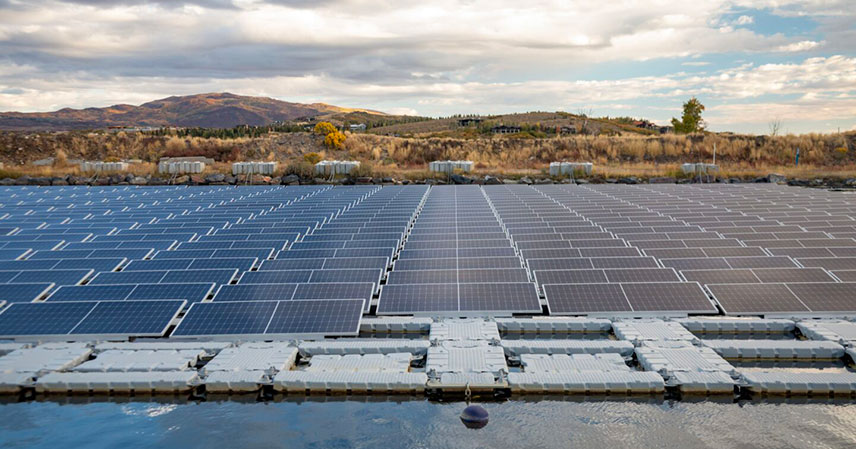
Despite the stated goal of an “any of the above” approach, Utah’s energy policy has taken a curious turn. The Republican supermajority in the state Legislature, with Governor Cox’s apparent acquiescence, has moved decisively against solar power. This shift is particularly striking given solar’s recent performance. Solar energy has been coming online faster than any other source in Utah. It represents a significant portion of new projects.
Currently, two-thirds of all new energy projects awaiting connection to the state’s power grid are solar. This demonstrates solar’s clear momentum and economic viability. It also highlights its potential to rapidly scale up energy production. The legislative stance, therefore, appears to contradict both market trends and the state’s declared need for more power. This creates a significant paradox. It raises questions about the long-term energy strategy.
Restricting solar development has several implications. It could slow down the overall energy expansion. It might also increase reliance on less sustainable or more costly alternatives.
Solar power offers benefits beyond just electricity generation. It contributes to air quality improvements. It also diversifies the energy portfolio. A strong focus on solar could attract green technology investments.
This policy reversal could deter such opportunities. It sends mixed signals to developers and investors alike.
Navigating Utah’s Energy Future: Challenges and Opportunities ⛰️
Utah’s energy dilemma is multifaceted. It involves balancing rapid economic development with sustainable resource management. Beyond solar, the state has other energy options to explore.
Geothermal energy holds significant potential in the Intermountain West. Hydroelectric power also plays a role, though often limited by water availability. Natural gas continues to be a major part of the energy mix, providing baseload power. Nuclear energy could also be a long-term consideration, offering carbon-free, high-capacity generation.
The state must also focus on grid modernization. An outdated grid can hinder the integration of new power sources. It can also lead to inefficiencies and reliability issues.
Investing in advanced energy storage solutions is equally crucial. Battery storage can help manage the intermittency of renewable sources like solar. It ensures a stable and consistent power supply. These infrastructure upgrades are vital for a resilient energy future.
The political landscape further complicates these decisions. Different energy sources have various stakeholder groups supporting them. Environmental advocates push for renewables. Traditional industries often prefer fossil fuels. Governor Cox’s administration faces the challenge of unifying these diverse interests. Creating a truly comprehensive and sustainable energy plan requires broad consensus. It also demands a clear, consistent policy framework. Utah’s success hinges on its ability to navigate these complex waters effectively.
Key Insights ✅
- Utah’s energy demand is skyrocketing: The state needs a century’s worth of power in just five years, driven by population growth and tech industry expansion (data centers, AI).
- Operation Gigawatt aims for broad expansion: Governor Cox’s initiative targets doubling energy production using an “any of the above” approach, theoretically embracing all sources.
- Policy contradicts solar’s growth: Despite solar being the fastest-growing energy source and representing two-thirds of new projects, legislative actions are curtailing its development.
- Diversification beyond solar is critical: Utah must explore other sources like geothermal, natural gas, and potentially nuclear, alongside significant grid modernization and energy storage investments.
- Political alignment is essential: A consistent and unified energy policy is crucial to avoid conflicting signals and ensure long-term energy security and economic prosperity.
Source: Utah leaders hinder efforts to develop solar energy supply