
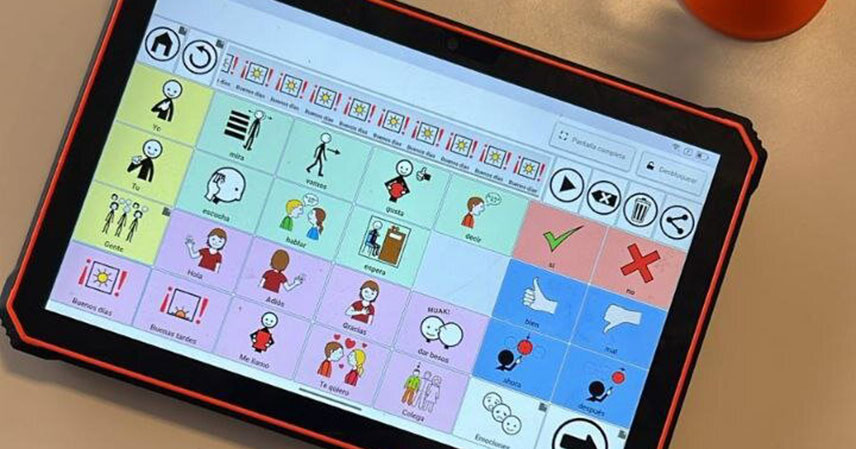
A recent study from the University of Granada’s Mind, Brain, and Behavior Research Center (CIMCYC), in collaboration with the University of Castilla-La Mancha, has cast a significant light on a critical aspect of family life. This groundbreaking research explores the intricate connection between parental stress and the daily functional performance of children diagnosed with neurodevelopmental disorders. It offers robust scientific evidence, validating what many families experience daily. The findings underscore a fundamental truth: the well-being of caregivers is deeply intertwined with the autonomy and developmental progress of the children under their care.
This study moves beyond anecdotal observations. It provides a scientific foundation for understanding the dynamic interplay within these families. The implications are far-reaching, affecting how we perceive support systems and interventions. Understanding this link is crucial for developing more effective strategies. It highlights the need for a holistic approach to care.
The Core Research and Its Findings 🔬
The research team meticulously investigated the relationship between the stress levels experienced by parents and the daily functioning of their children. Children with neurodevelopmental disorders often face unique challenges. These can impact their learning, communication, and social interactions. The study specifically focused on how parental stress might exacerbate or alleviate these daily struggles. It examined areas like self-care, mobility, and social participation.
What the researchers found was compelling. Higher levels of parental stress correlated with lower levels of autonomy in children. This suggests that the emotional and psychological state of a caregiver directly influences a child’s ability to perform everyday tasks independently. The study provides concrete data, moving beyond general assumptions. It reinforces the idea that support for parents is not just beneficial for them, but essential for their children’s development.
This scientific evidence offers a clearer picture of the daily realities. It demonstrates that a parent’s capacity to cope significantly impacts their child’s functional development. This finding is particularly vital for conditions like autism spectrum disorder, ADHD, and intellectual disabilities. These conditions often require extensive parental involvement and support. The study emphasizes the critical role of the home environment in a child’s progress.
Deeper Implications for Families and Caregivers 👨👩👧👦
The study’s findings carry profound implications for the thousands of families navigating life with neurodevelopmental disorders. Caregivers often face immense pressure. They manage complex medical needs, therapeutic schedules, and behavioral challenges. This constant demand can lead to chronic stress, burnout, and emotional exhaustion. The research suggests that these stressors do not exist in isolation.
Instead, parental stress can create a ripple effect. It may inadvertently limit a child’s opportunities for growth and independence. When a parent is highly stressed, their capacity to provide consistent, patient, and stimulating support might diminish. This can affect a child’s learning new skills or practicing existing ones. The study highlights the urgent need to recognize and address caregiver burden. Support for parents is not a luxury; it is a necessity.
Furthermore, the research points to a bidirectional relationship. Children’s challenges can increase parental stress. Conversely, parental stress can, in turn, affect the child’s progress. This creates a complex cycle that requires careful intervention. Recognizing this dynamic is the first step toward breaking negative patterns. It calls for comprehensive support systems that care for the entire family unit, not just the child.
Pathways to Support and Intervention 🤝
This new scientific evidence should inform the development of more effective support strategies. Current interventions often focus primarily on the child. However, this study advocates for a more holistic approach. Programs designed to reduce parental stress could have significant positive impacts on children’s development. These might include stress management techniques, peer support groups, or respite care services.
Policy makers and healthcare providers should consider integrating caregiver well-being into treatment plans. Providing resources for parents can empower them. It can enhance their ability to support their children’s autonomy and functional skills. This could lead to better long-term outcomes for children with neurodevelopmental disorders. It also fosters more resilient and healthier family environments.
The study suggests that a focus on caregiver mental health is not merely an act of compassion. It is a strategic imperative for improving child development outcomes. Future research could explore specific interventions that most effectively mitigate parental stress. Understanding these pathways is crucial for creating sustainable and impactful support systems. It paves the way for a more integrated approach to care.
Key Insights: What We Learned 💡
- Parental stress is directly linked to the functional autonomy of children with neurodevelopmental disorders.
- The `well-being of caregivers` is not separate from, but integral to, the developmental progress of their children.
- This research provides `scientific evidence` supporting the need for holistic family-centered interventions.
- Addressing caregiver burden can lead to improved daily performance and greater independence for children.
In conclusion, this study from the University of Granada offers invaluable insights into the complex relationship between parental stress and child development. It underscores the critical importance of supporting caregivers as a fundamental component of effective interventions for children with neurodevelopmental disorders. As we move forward, integrating caregiver well-being into our understanding and approach to care will be paramount. This research serves as a powerful reminder that when we support parents, we empower children to thrive.