
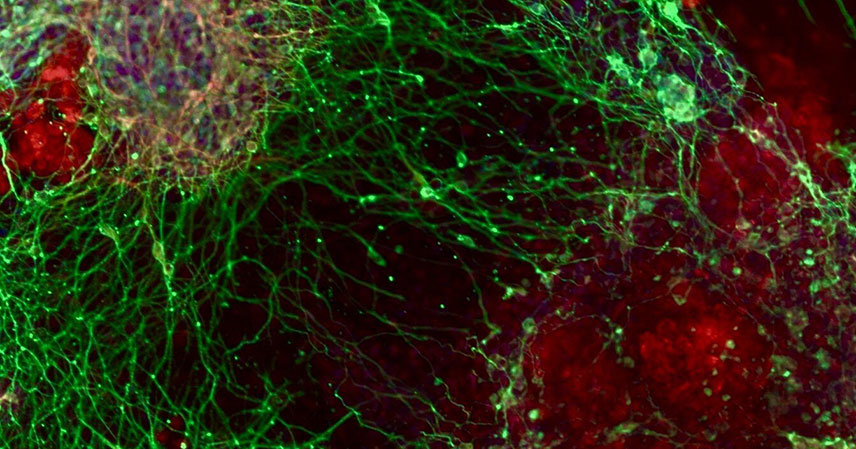
The intricate journey from a single, undifferentiated embryonic stem cell to a complex, functional brain cell is one of biology’s most profound mysteries. Understanding this developmental pathway is crucial. It holds the key to comprehending both healthy brain formation and the origins of numerous neurological disorders. A groundbreaking new study sheds significant light on this process.
Published today in Nature Neuroscience, this research identifies specific genes. These genes are essential for the early stages of brain development. The study was a collaborative effort. It involved researchers led by Prof. Sagiv Shifman from The Institute of Life Sciences at The Hebrew University of Jerusalem. They partnered with Prof. Binnaz Yalcin from INSERM, France. Their work marks a substantial step forward in neurodevelopmental research.
Pinpointing the Architects of Brain Development 🧬
At the heart of this research lies a fundamental question. Which genes orchestrate the transformation of embryonic stem cells into specialized brain cells? And what happens when this delicate genetic program goes awry? The answers could unlock new avenues for understanding conditions like autism spectrum disorders, intellectual disabilities, and other neurodevelopmental challenges. Healthy brain function depends on precise cellular differentiation and migration.
The research team focused on identifying these critical genetic components. They sought to create a detailed map of the genetic requirements. This map reveals the specific instructions for early brain formation. Such insights are invaluable. They provide a foundational understanding of how our most complex organ is built from the ground up. This knowledge is not merely academic. It has profound implications for human health.
CRISPR’s Precision: A Powerful Tool for Genetic Discovery 🔬
To achieve their ambitious goals, the researchers employed cutting-edge technology. They utilized genome-wide CRISPR knockout screens. This advanced genetic tool allows scientists to systematically turn off, or ‘knock out,’ individual genes across an entire genome. By observing the consequences of each gene’s inactivation, researchers can deduce its function. It’s like removing a single piece from a complex machine to see what stops working.
This high-throughput method enabled the team to screen thousands of genes simultaneously. They could efficiently identify those critical for the proper differentiation of stem cells into brain cells. The precision of CRISPR technology is transformative. It allows for an unprecedented level of detail in genetic analysis. This methodology provides robust evidence for the identified genes’ roles. It moves beyond mere correlation to establish causal links.
The collaboration between Israeli and French institutions highlights the global nature of scientific discovery. Combining diverse expertise strengthens research outcomes. It accelerates progress in complex fields like neurobiology. This study is a testament to the power of international scientific partnership.
Implications for Neurological Health and Therapeutic Potential 🧠
The identification of these essential genes carries significant implications for neurological health. When the process of turning stem cells into brain cells goes wrong, it can have devastating effects. Many developmental brain disorders are thought to arise from disruptions in these early stages. Understanding the specific genes involved provides potential targets for further investigation.
For instance, if a particular gene is found to be crucial for forming a specific type of neuron, its malfunction could be linked to certain neurological conditions. This research does not offer immediate cures. However, it lays essential groundwork. It provides a deeper understanding of disease mechanisms. This understanding is the first step towards developing targeted interventions or therapies in the future. It could also inform early diagnostic approaches.
The study emphasizes the complexity of brain development. It underscores the importance of each genetic player. Future research will likely delve into how these identified genes interact. It will also explore their precise roles in different brain regions. This foundational work opens many new avenues for exploration in neurodevelopmental science. It brings us closer to unraveling the brain’s deepest secrets.
Key Insights from the Research 💡
- Gene Identification: The study successfully identified specific genes required for the transformation of embryonic stem cells into brain cells.
- Advanced Methodology: Researchers utilized cutting-edge genome-wide CRISPR knockout screens for precise gene function analysis.
- Disease Understanding: This research offers critical insights into the genetic underpinnings of early brain development. It also helps us understand what happens when this process fails.
- Future Therapeutic Avenues: The identified genes could serve as potential targets for future research into neurodevelopmental disorders, though more study is needed.
- International Collaboration: The project highlights the success of collaborative efforts between The Hebrew University of Jerusalem and INSERM, France.
In conclusion, this collaborative study represents a significant leap forward. It enhances our understanding of the genetic mechanisms driving early brain development. By precisely identifying the genes involved, researchers have provided invaluable new tools. These tools will help explore the origins of neurological disorders. They will also inform potential future therapeutic strategies. This research underscores the remarkable power of modern genetic techniques. It also highlights the ongoing quest to decipher the human brain.
Source: CRISPR screen uncovers hundreds of genes required for brain development