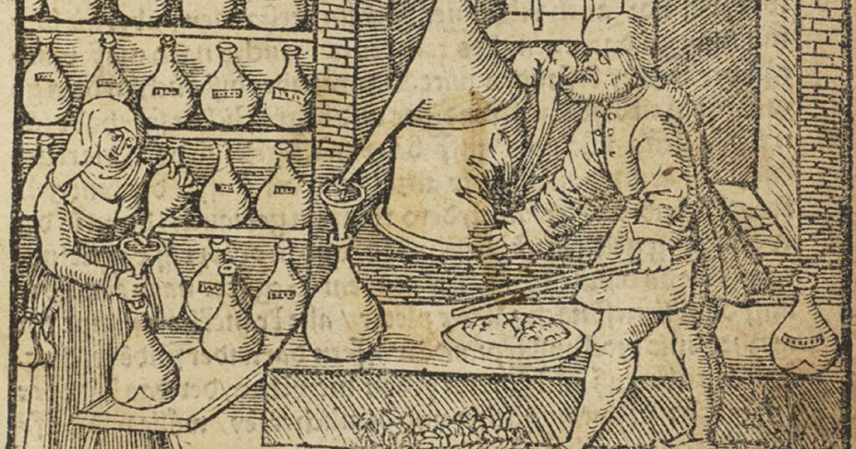
Forget the mystical concoctions often associated with ancient remedies. The 16th century was a vibrant era of practical experimentation. People acted as true DIY scientists, crafting home remedies for countless ailments. These ranged from hair loss and toothaches to more serious conditions like kidney stones.
They didn’t just follow recipes blindly. Instead, they actively engaged with the medical knowledge of their time. This hands-on approach marked a significant shift in how people approached health and wellness.
The Rise of Reader-Practitioners and Experimental Medicine 📜
Medical manuals designed for the layperson enjoyed immense popularity during the Renaissance. These weren’t just reference books; they were interactive guides. Stefan Hanss, an early modern historian, highlights their widespread use. He notes how these books empowered ordinary people.
These users, dubbed “reader-practitioners,” frequently modified the recipes. They tweaked ingredients and adjusted instructions. Their personal notes often filled the margins of these valuable texts. This practice demonstrates a widespread culture of empirical testing and personalization.
Such active engagement transformed passive reading into practical application. It allowed individuals to tailor remedies to their specific needs. This culture of experimentation was truly pervasive across society.
Proteomics Unveils Hidden Historical Traces 🔬
A pioneering interdisciplinary team has now brought this history to life. This group includes archaeologists, chemists, historians, conservators, and materials scientists. They employed a cutting-edge technique called proteomics. This method analyzes trace proteins left behind by human interaction.
Specifically, they examined protein traces from fingerprints. These were found on the pages of Renaissance medical manuals. The team’s groundbreaking findings appeared in The American Historical Review. This marks the first time proteomics has been used to analyze such historical recipes.
Their scientific results are further enriched by extensive archival research. This dual approach provides crucial historical context. It allows researchers to understand not just what was on the pages, but also how people interacted with them. The proteins act as silent witnesses to centuries of human ingenuity.
Shifting Paradigms: From Book-Learned to Hands-On Knowledge 💡
The study offers profound insights into Renaissance culture. It reveals a society deeply invested in practical knowledge. Hanss emphasizes the abundance of recipes from this period. These included cosmetic, medical, and culinary instructions. Many were handwritten and passed down through generations.
The marginalia in these manuscripts tells a powerful story. It shows users actively engaging with and modifying the content. Experimentation was not confined to academic circles. It was a fundamental aspect of daily life. This era saw a pivotal shift in how knowledge was constructed. It moved beyond theoretical understanding. It embraced tangible, practical application.
This research underscores the ingenuity of common people. They were not merely consumers of information. They were active participants in its creation and refinement. This redefines our understanding of innovation in the Renaissance. It highlights the importance of experiential learning.
Key Insights ✨
- Renaissance individuals were active experimenters, not passive recipients of medical knowledge, often modifying recipes for personalized use.
- The use of proteomics on historical documents provides unprecedented insight into human interaction with texts. This offers a new window into daily life.
- This research highlights a significant cultural shift in the 16th century. It moved from purely academic learning to emphasizing hands-on practical knowledge and experimentation.
- The study reveals the widespread popularity of lay medical manuals. It confirms their role in empowering ordinary people to manage their own health.
This interdisciplinary research illuminates a fascinating aspect of history. It connects us directly to the practical lives of people centuries ago. By analyzing the smallest traces, we gain grander perspectives, much like how ancient genomes reveal our evolutionary story. It reminds us that innovation often begins with simple, everyday experiments. This bridge between science and history continues to reveal untold stories.
Source: What we can learn from scientific analysis of Renaissance recipes