
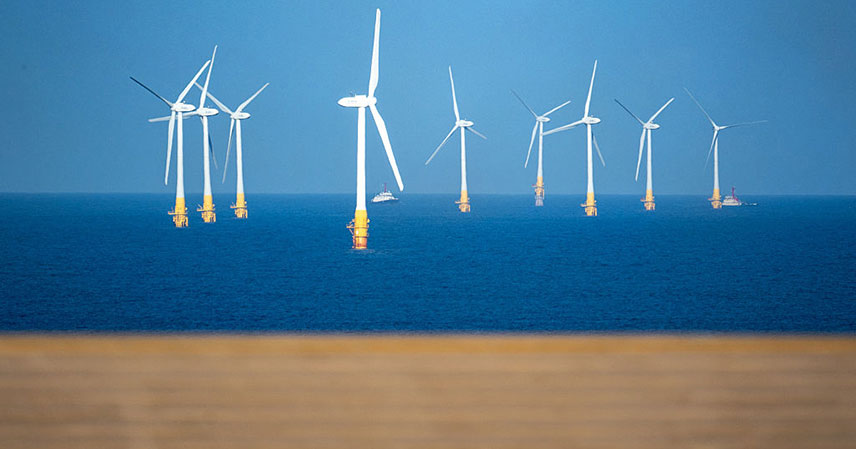
The landscape of renewable energy development in the United States just saw a significant shift. In a landmark decision, U.S. District Court Judge Patti Saris recently vacated a sweeping Trump-era executive order. This order had brought a halt to critical offshore wind power development, alongside some land-based projects. The ruling marks a crucial victory for clean energy advocates and developers across the nation.
For years, the U.S. has grappled with accelerating its transition to sustainable energy sources. Wind power, particularly offshore wind, holds immense potential. It offers clean electricity, job creation, and energy independence. However, the previous administration’s policies created substantial headwinds. This judicial intervention now clears a path forward. However, it still requires careful navigation.
The Judicial Hammer Falls: Unpacking Judge Saris’s Ruling ⚖️
The executive order, issued by the Trump administration, was explicit. It called for the immediate suspension of all permitting for wind power. This applied to both federal land and waters. The stated reason was a pending review of current practices. However, this review never truly materialized.
States and organizations representing wind power companies quickly responded. They launched legal challenges against the suspension. Their core argument was clear: the suspension was arbitrary and capricious. This legal term implies a decision made without a rational basis or proper consideration.
During testimony, a critical detail emerged. Despite over ten months passing, government agencies had barely begun to develop the concept of a review. This lack of progress was damning. It revealed a significant procedural failing on the part of the administration. The only defense offered was the executive order itself and an implementing Department of the Interior memo.
Judge Saris’s opinion was unequivocal. She stated, “Whatever level of explanation is required when deviating from longstanding agency practice, this is not it.” This powerful statement underscores the court’s finding. The government failed to provide any legitimate justification for its actions. This ruling reinforces the principle that executive actions must have a sound legal and factual basis. They cannot be based on mere political whim.
The decision sets an important precedent. It highlights the judiciary’s role in overseeing executive power. It ensures that governmental agencies follow due process. This is vital for maintaining the integrity of environmental and economic policies. The court’s intervention provides a necessary check on potentially overreaching executive authority.
A Glimmer of Hope or a Lingering Headwind? The Immediate Aftermath 🌬️
While the court’s decision is a significant win, it is important to manage expectations. Lifting Trump’s suspension does not automatically approve any specific wind projects. Instead, it removes a major legal roadblock. The path ahead for wind energy development remains complex. It will still require diligent effort from developers and supportive government action.
There is a real possibility that relevant agencies might continue to “slow-walk” processes. This could involve delaying leasing and licensing procedures. Such bureaucratic inertia could still impede progress. Project owners and states might find themselves needing to file individual lawsuits. These actions would aim to compel agencies to act more swiftly.
However, the legal landscape has fundamentally changed. The recent ruling provides a robust legal backdrop for any future litigation. It clearly establishes that the government’s past actions lacked proper justification. This strengthens the hand of developers and states. They now have a powerful legal precedent to cite. This makes it harder for agencies to indefinitely delay projects without legitimate cause. The previous administration’s “personal animosity toward wind power” is no longer a valid excuse.
The ruling encourages greater accountability. Agencies must now demonstrate legitimate reasons for delays. They cannot simply rely on previous arbitrary directives. This shift is crucial for fostering a predictable regulatory environment. Predictability is essential for attracting investment in large-scale energy projects. It reduces risk for developers and financial backers. This stability is a key component of successful infrastructure development.
Charting the Course Forward: Implications for Renewable Energy Development 📈
This judicial decision carries profound implications for the U.S. renewable energy sector. It particularly impacts the burgeoning offshore wind industry. The U.S. has vast untapped potential for offshore wind. This potential can significantly contribute to national energy goals. It can also help combat climate change.
The ruling aligns with the current administration’s climate agenda. President Biden has set ambitious goals for clean energy. These include targets for offshore wind deployment. Removing this legal barrier helps clear the way for achieving these targets. It signals a stronger commitment to renewable energy development.
Increased certainty in the regulatory environment will likely boost investor confidence. Companies are more willing to commit capital to projects with clear pathways to approval. This could unlock billions in private investment. Such investment would drive job creation in manufacturing, construction, and operations. It would also foster technological innovation within the sector.
The decision also underscores the importance of a stable policy framework. Frequent shifts in energy policy create uncertainty. This deters long-term investment. This ruling helps to stabilize the regulatory environment for wind power. It offers a more reliable foundation for future planning. This stability is critical for infrastructure projects that span decades.
Ultimately, this ruling is a significant step forward. It moves the U.S. closer to a cleaner energy future. It reaffirms the legal principles of reasoned governmental action. It provides a clearer path for developers. While challenges remain, the wind is now firmly at the back of renewable energy initiatives.
Key Insights 💡
- The U.S. judicial system served as a critical check on executive power, vacating an arbitrary executive order that hindered renewable energy development.
- While not an immediate green light for projects, the ruling provides a strong legal foundation for future wind energy development and potential litigation against bureaucratic delays.
- This decision significantly bolsters the prospects for offshore wind power in the U.S., aligning with national climate goals and potentially attracting substantial investment.
- The ruling emphasizes the need for governmental actions to be based on sound reasoning and evidence, rather than political animosity, ensuring greater accountability from federal agencies.
Source: Court: “Because Trump said to” may not be a legally valid defense