
Graphene stands as a marvel of modern material science. It is the thinnest material ever discovered. Composed of a single layer of carbon atoms, it forms a perfect hexagonal lattice. This unique structure bestows upon it extraordinary properties. These properties promise to revolutionize countless real-world applications. From advanced batteries and supercapacitors to high-performance antennas, water filters, transistors, solar cells, and touchscreens, graphene’s potential is vast. The physicists who first synthesized graphene in a controlled lab environment earned the 2010 Nobel Prize in Physics for their groundbreaking work.
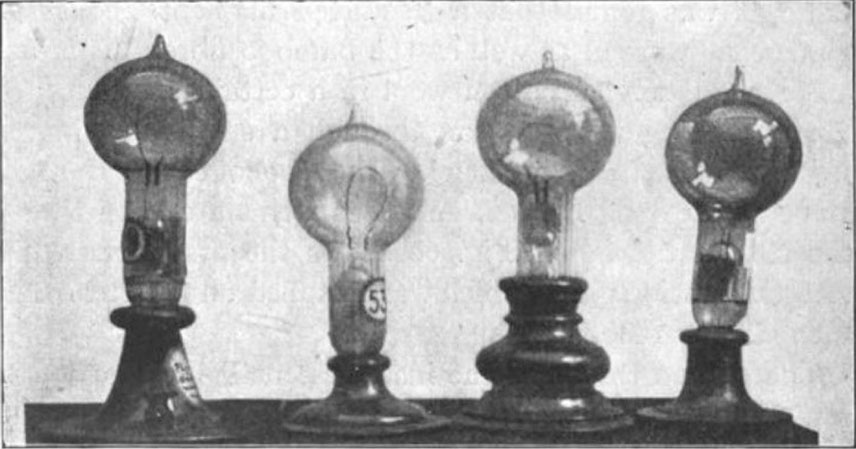
Yet, a new paper published in the journal ACS Nano suggests a startling twist. It indicates that 19th-century inventor Thomas Edison might have unknowingly produced graphene. This could have occurred as a byproduct of his incandescent bulb experiments. This revelation pushes the timeline of graphene’s existence back by over a century. It prompts a fascinating re-evaluation of scientific history.
“To reproduce what Thomas Edison did, with the tools and knowledge we have now, is very exciting,” notes James Tour, a chemist at Rice University and co-author of the paper. He emphasizes the profound implications of this discovery. “Finding that he could have produced graphene inspires curiosity about what other information lies buried in historical experiments.” This sentiment opens a critical dialogue. It asks us to consider what insights might be gained by revisiting the work of our scientific predecessors through a modern lens.
Graphene: The Material of Tomorrow (and Yesterday?) 🔬
Graphene is truly exceptional. It is a one-atom-thick sheet of carbon. Its atoms are arranged in a honeycomb lattice. This arrangement gives it incredible strength. It is 200 times stronger than steel. Despite its strength, it is remarkably lightweight. Graphene also boasts extraordinary electrical conductivity. It conducts electricity better than copper. Furthermore, it exhibits high thermal conductivity. These combined attributes make it a “wonder material.”
The potential applications for graphene are revolutionary. Imagine electric vehicles charging in minutes. This could be possible with graphene-enhanced batteries. Supercapacitors built with graphene could store enormous amounts of energy. Flexible electronics and transparent conductive films for touchscreens are also within reach. Graphene filters could purify water more efficiently. Its use in medical sensors and drug delivery systems is also being explored. The discovery of its existence in Edison’s time, even if unintentional, highlights the long, often surprising, path of scientific progress.
Edison’s Incandescent Quest: An Unintended Graphene Genesis 💡
Thomas Edison did not invent the incandescent lamp itself. Various versions existed before his time. However, these early lamps suffered from severe limitations. They had very short lifespans. They also required high electric currents. These flaws made them unsuitable for Edison’s grand vision. He aimed for large-scale commercialization. He envisioned widespread access to electric light.
Edison embarked on an exhaustive series of experiments. He sought the perfect filament material. Initially, he tried carbonized cardboard. He also tested compressed lampblack. These materials quickly burned out. His trials continued with various natural fibers. Hemp and palmetto grasses were among them. These, too, proved inadequate. The breakthrough came with carbonized bamboo. Edison discovered that this material made for the best filament. It offered lifespans exceeding 1200 hours. This was achieved using a 110-volt power source. This discovery was pivotal for practical electric lighting.
The key to the graphene connection lies in this carbonization process. When organic materials like bamboo are heated in the absence of oxygen, they turn into carbon. This process, known as pyrolysis, can form various carbon structures. The high temperatures and specific conditions Edison used for carbonizing his bamboo filaments could have inadvertently created single or few-layer graphene flakes. The extreme heat essentially “cooked” the carbon atoms into the precise hexagonal arrangement. This is the hallmark of graphene. Edison’s laboratory, therefore, might have been an early, unrecognized graphene factory.
The Broader Implications for Scientific Discovery and Innovation 🔭
This historical finding carries significant implications. It reminds us that fundamental discoveries can emerge in unexpected ways. Sometimes, advanced materials are created long before their properties are understood. The Edison case illustrates the power of revisiting historical data. New analytical tools and scientific understanding can unlock hidden truths. What seemed like a simple byproduct then, is now recognized as a material of immense importance.
The work of Tour and his colleagues encourages a critical re-examination of past experiments. It suggests that other “lost” discoveries might be waiting. Researchers might uncover more advanced materials or principles. These could be hidden within the annals of scientific history. The intersection of historical research and modern analytical techniques offers a fertile ground for innovation. It bridges the gap between past ingenuity and future possibilities. This synergy could accelerate scientific progress in unforeseen directions.
Serendipity often plays a crucial role in scientific breakthroughs. Edison’s focus was on a durable filament. He was not looking for a two-dimensional carbon wonder. Yet, in his pursuit, he may have stumbled upon it. This highlights the value of meticulous record-keeping in science. It also underscores the importance of curiosity. Asking new questions about old answers can yield profound insights. This discovery is a testament to the enduring legacy of scientific inquiry.
Key Insights from This Historical Revelation ✨
- Graphene’s Unforeseen Origins: The research suggests graphene, a material central to future tech, may have been unknowingly created by Thomas Edison over a century ago during his incandescent bulb experiments.
- The Power of Re-examination: This discovery underscores the immense value of revisiting historical scientific endeavors with modern analytical tools and knowledge, potentially revealing hidden breakthroughs.
- Serendipity in Science: Edison’s accidental creation of graphene highlights how groundbreaking materials can emerge as byproducts of focused research, even when their true nature isn’t immediately recognized.
- Bridging Historical and Modern Science: The study exemplifies a fascinating intersection where historical data meets contemporary material science, opening new avenues for understanding and innovation.
- Inspiration for Future Research: This revelation encourages scientists to look beyond current frontiers and also to delve into the past, seeking overlooked insights that could drive future technological advancements.