
The debate surrounding America’s national forests has intensified. At its heart is a controversial move by the Trump administration. They announced plans last year to rescind a critical rule. This rule limits roadbuilding and timber harvests. It applies to millions of acres of national forests and grasslands.
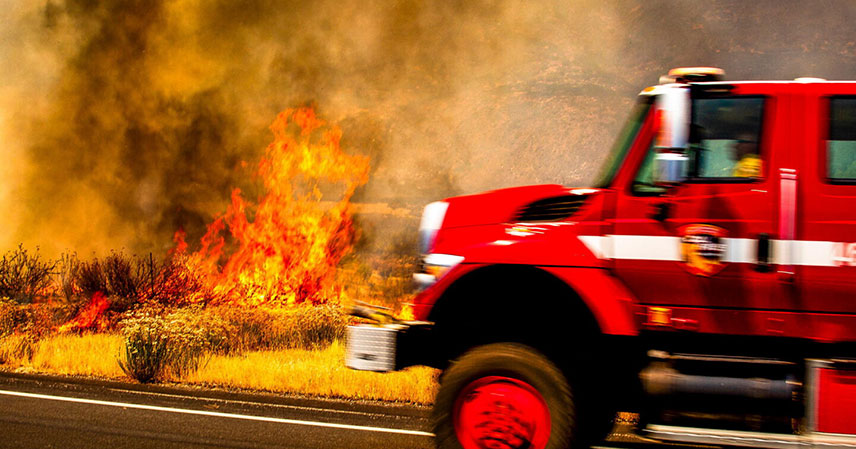
Officials initially stated a clear purpose. They claimed the repeal was necessary. It would prevent and manage devastating wildfires. However, this justification faces increasing scrutiny. As the U.S. Department of Agriculture (USDA) prepares its draft environmental impact statement, the narrative is shifting. Many critics now view the claim differently. They see it as a convenient cover. It might be a ‘giveaway’ to the timber industry.
Understanding the Roadless Rule and its Origins 🌲
The rule in question is commonly known as the Roadless Rule. It was established during the Clinton administration. Its primary goal was to protect inventoried roadless areas. These areas cover nearly 58.5 million acres. They are vital for ecological health. The rule restricts road construction and logging activities within these zones. It aimed to preserve wilderness characteristics. This includes clean water, wildlife habitat, and recreational opportunities.
The Roadless Rule represented a significant victory for conservationists. It safeguarded some of the nation’s most pristine public lands. Its implementation sought to balance resource use with environmental protection. This balance is crucial for long-term forest health. It also impacts the diverse ecosystems found within national forests. The rule has faced challenges over the years. Yet, it has largely remained a cornerstone of forest management policy.
The Wildfire Argument Under the Microscope 🔥
The administration argued that new roads are essential. They would allow better access for firefighters. This access, they claimed, would improve wildfire management. However, this assertion is problematic. The effectiveness of roads in remote areas for fire suppression is debatable. Many experts question its validity.
Wildfires on federal lands are particularly challenging. They average about five times the size of fires elsewhere. This fact highlights the scale of the problem. Land managers correctly identify national forests as a front line. They are indeed critical for fighting the nation’s surge in wildland blazes. However, simply adding more roads may not be the solution. Increased human access can inadvertently increase fire ignitions. More roads can also fragment habitats. They can introduce invasive species. These factors can worsen ecological conditions.
Effective wildfire management involves a multi-faceted approach. It includes prescribed burns. It also emphasizes creating defensible spaces. Community engagement is vital. Early detection and rapid response are key. These strategies often prove more effective. They are often better than extensive road networks in remote forest interiors. The focus should be on strategic, not indiscriminate, access.
Timber Industry Interests vs. Environmental Protection 🌳
Critics strongly suggest a different motive. They believe the push to repeal the Roadless Rule benefits the timber industry. Opening up roadless areas could unlock vast timber resources. This would undoubtedly boost logging operations. Such a move could generate significant profits for the industry. It would also increase timber supply.
The economic implications are clear. More logging means more jobs in some sectors. It also means more revenue for timber companies. However, this comes at a potential environmental cost. Increased logging can lead to deforestation. It can disrupt delicate ecosystems. It can also impact water quality. The balance between economic gain and ecological preservation is delicate. It requires careful consideration. Prioritizing short-term industrial gains could have long-term environmental consequences.
Broader Ecological and Policy Implications 🌍
The potential rescission carries significant environmental risks. Road construction itself causes habitat destruction. It leads to soil erosion. It can also pollute waterways. Timber harvests further impact biodiversity. They can alter forest structure. These actions affect countless species. Many rely on intact forest ecosystems.
Roadless areas are crucial carbon sinks and play a vital role in climate regulation. Disturbing these areas could release stored carbon, exacerbating climate change in ways that remind us how environmental shifts shaped ancient civilizations. The integrity of these forests is paramount, offering long-term benefits like clean air, water, and wildlife corridors. The USDA’s draft environmental impact statement must address these concerns with a transparent analysis, as the future of millions of acres hangs in the balance.
Key Insights 💡
- The Wildfire Justification: The claim that more roads are crucial for wildfire management is widely questioned by experts, who point to alternative, more effective strategies.
- Timber Industry Influence: Critics argue that the proposed repeal of the Roadless Rule is primarily a concession to the timber industry, allowing access to previously protected logging areas.
- Ecological Risks: Increased roadbuilding and timber harvests pose significant threats to biodiversity, water quality, soil health, and carbon sequestration in national forests.
- Policy Precedent: This decision could establish a precedent that weakens environmental protections for public lands, impacting future conservation efforts across the nation.
Source: Study says roads bring more fires to forests; USDA wants more roads to fight fires