
The United States’ renewable energy sector faced significant challenges. This was especially true during the Trump administration. While generally wary of green energy, the administration showed particular disdain for wind power. Its opposition was more than just words; it translated into direct actions.
President Trump often made false claims about wind energy. He misstated its cost, global use, and environmental effects. This verbal hostility was matched by an executive order. The order aimed to halt all offshore wind permitting. It also blocked some land-based projects. However, a court later invalidated this order. The court deemed it arbitrary and capricious.
A Pattern of Opposition: Unpacking the Anti-Wind Stance 🌬️
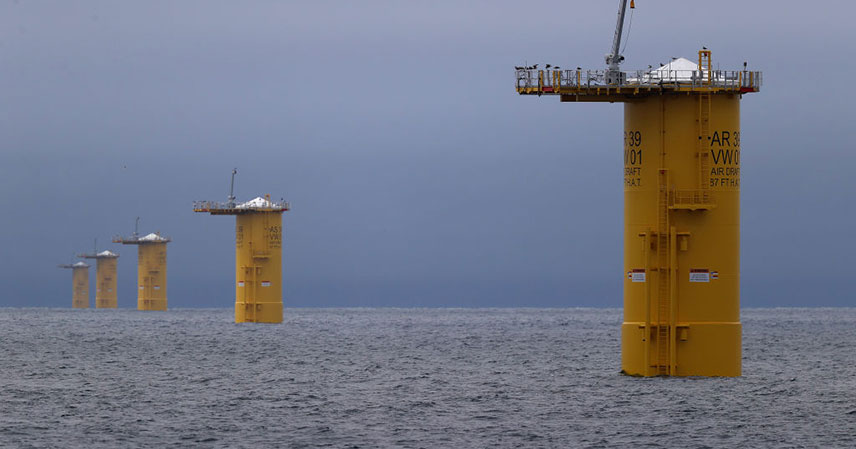
The administration didn’t stop at blocking future developments. It also targeted five offshore wind projects already under construction. Initially, two projects faced temporary blocks. The Department of the Interior never fully explained these reasons.
A new justification emerged later in December. The administration cited a “classified national security risk.” This was its sole reason to stop turbine installation. This vague declaration caused immediate alarm. It raised concerns among developers and industry experts. The lack of specific evidence fueled widespread skepticism.
Many saw this as a last-ditch effort. It aimed to obstruct projects with significant existing investment. The timing suggested political motives. It sought to create hurdles before a potential change in leadership. The renewable energy sector watched closely. It understood the risk to future investments.
The “National Security Risk” Gambit: A Deeper Dive into Justifications 🕵️♀️
Claiming a “classified national security risk” for civilian projects is unusual. It deviates from standard regulatory practices. National security issues usually follow transparent channels. This is true even if some details remain private. The Interior Department’s decision lacked this transparency.
Industry experts and legal analysts quickly questioned the claim. They worried about the precedent it could set. Such a vague justification could allow arbitrary project halts. This could happen without due process or accountability. The claim also contradicted goals for energy independence. Renewable sources are key to diversification.
These projects had undergone extensive reviews. Environmental and permitting processes were complete. These often involve various federal agencies. National security bodies are usually consulted. The sudden “classified” risk seemed suspicious. It suggested poor coordination or a manufactured reason. This created major uncertainty for wind power companies.
Judicial Scrutiny and the Power of Precedent ⚖️
The affected companies responded decisively. They filed lawsuits against the administration. Each of the five offshore wind projects took legal action. They aimed to overturn the construction block. Companies argued the actions were arbitrary and lacked legal basis. They highlighted significant financial losses and delays.
Every single company achieved the same positive outcome. They all secured a temporary injunction. These injunctions allow construction to resume. This uniform result is quite remarkable. It’s especially notable given the diverse legal landscape.
The lawsuits were not combined. They were filed in three different federal courts. Four distinct judges heard these cases. Despite varied venues and judges, rulings were consistent. This consistency highlights the weakness of the “national security risk” argument. It shows a broad judicial consensus. The justification was insufficient to stop critical infrastructure.
These injunctions powerfully uphold the rule of law. They show the judiciary’s role in checking executive power. This sends a clear message to investors. Legitimate projects can find legal recourse. This is true even amidst political challenges. Judicial clarity stabilizes offshore wind investment. It helps mitigate political risks.
Key Insights from the Legal Battles for Offshore Wind 💡
- The legal system provides a vital check on executive overreach. It protects established projects from political interference.
- The offshore wind sector shows remarkable resilience. It navigates significant political and regulatory hurdles successfully.
- Vague justifications, even citing “national security,” rarely pass judicial review. Concrete evidence and transparent processes are required.
- Consistent court rulings across diverse jurisdictions build strong legal precedent. This boosts confidence for future renewable energy investments.
The successful legal challenges against the administration are significant. They underscore the strength of the renewable energy movement. Despite political opposition, clean energy momentum continues. Courts affirmed due process and legitimate justification. This sets a positive precedent for green infrastructure.
The world increasingly prioritizes sustainable energy. These legal victories offer hope. They show that legal principles remain steadfast. This is true even when political landscapes shift. The U.S. offshore wind journey has been tough. But these judicial outcomes confirm its resilience. They also prove its proponents’ unwavering commitment.
Source: Court orders restart of all US offshore wind construction