
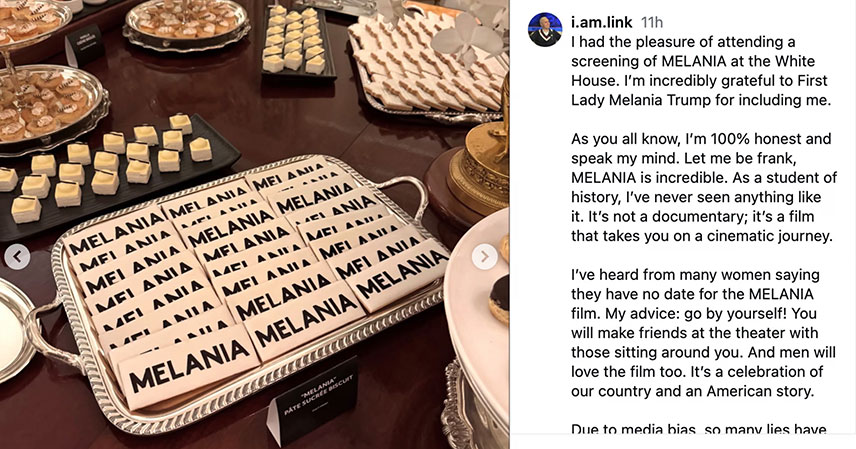
The recent release of “Melania,” Amazon’s official feature-length documentary about former First Lady Melania Trump, has ignited a firestorm of discussion. Directed by Brett Ratner and boasting a reported $40 million production budget, the film aimed to offer an intimate look into her life. However, its reception has been anything but warm, quickly becoming a symbol of what many critics deem a colossal misjudgment in timing and public sentiment.
Initial buzz surrounding the film, particularly after a high-profile VIP screening, quickly soured. The public’s immediate reaction suggests a profound disconnect. This ambitious project, intended perhaps as a legacy piece, has instead highlighted a deeper chasm between political narratives and current societal concerns. It raises critical questions about media investments and their alignment with public interest.
The Cost of Image: Unpacking the “Melania” Documentary Budget 💰
A reported $40 million production budget for a documentary is an extraordinary sum. To put this into perspective, many critically acclaimed feature films are made for less. This figure immediately positions “Melania” as an outlier in the documentary landscape. It signals an unparalleled investment in shaping a public image.
Such a lavish expenditure for a political figure’s authorized biography prompts significant scrutiny. Is this an attempt to rewrite history or to solidify a particular narrative? The funds could have supported numerous independent documentaries or investigative journalism projects. This choice of allocation speaks volumes about priorities.
Critics quickly labeled the film a “vanity project.” This term suggests a production driven more by self-promotion than by genuine public interest or objective storytelling. When millions are spent on a film about a politically divisive figure, especially one positioned as an official narrative, questions of propaganda inevitably arise. The sheer scale of the investment amplifies these concerns, making it difficult for the film to escape political interpretation.
Timing and Public Sentiment: A Deep Dive into Reception 📉
The release of “Melania” occurred at a remarkably sensitive time. It followed closely on the heels of the tragic killing of Alex Pretti by a US Border Patrol agent. This juxtaposition created an immediate and stark contrast. Public attention was focused on pressing social and political issues, not on a seemingly self-serving biographical film.
Melania Trump’s husband, the former President, remains a globally unpopular political leader among a significant portion of the population. This context makes any authorized project about his family inherently controversial. The film’s timing amplified existing public fatigue and skepticism. It struggled to find an audience willing to engage with its content.
The phrase “institutionalized media timidity” captures a critical aspect of the film’s troubled release. It suggests a reluctance within certain media circles to critically examine powerful figures. This timidity can manifest as a fear of backlash or a desire to avoid controversy. However, in this instance, it appears to have backfired. The lack of robust critical engagement only highlighted the film’s perceived agenda, further alienating potential viewers.
The Director’s Shadow: Brett Ratner’s Involvement 🎞️
The involvement of Brett Ratner as director added another layer of controversy to the documentary. Ratner has faced multiple accusations of sexual assault and misconduct. While he was never charged and denies these allegations, the accusations themselves have significantly impacted his public image and career. His presence at the helm of such a high-profile project raised immediate ethical concerns.
In the wake of the #MeToo movement, many audiences and industry professionals have become increasingly sensitive to these issues. Collaborating with individuals accused of such serious misconduct often results in public backlash. For a film seeking legitimacy, this association proved to be a significant hurdle. It made it difficult for the documentary to be viewed solely on its artistic merits.
The choice of director highlighted a potential blind spot in the production’s strategy. It signaled a disregard for prevailing public sentiment regarding accountability and ethical conduct. This decision further complicated the film’s path to acceptance. It created an unavoidable shadow over the entire project, detracting from its intended message. The director’s past became an integral part of the film’s narrative, albeit an unintended one.
Key Insights 💡
- The excessive budget for “Melania” underscores a significant investment in political image-making, raising questions about resource allocation and public interest.
- The documentary’s release timing, amidst critical social issues and a polarized political climate, highlighted a profound disconnect between production intent and public reception.
- The director’s past allegations against Brett Ratner introduced significant ethical concerns, demonstrating how personal conduct can severely impact a project’s credibility and audience acceptance in the current media landscape.
The “Melania” documentary serves as a potent case study in contemporary media and politics. It illustrates the complex interplay between budget, timing, public perception, and ethical considerations. The film’s struggle to connect with an audience underscores a broader truth: large budgets and official sanctions do not guarantee public acceptance.
In an era demanding authenticity and accountability, projects perceived as mere vanity pieces face an uphill battle. The public is increasingly discerning. They expect media to reflect genuine concerns, not just polished narratives. The story of “Melania” is less about its subject and more about the challenging landscape of modern political communication.