
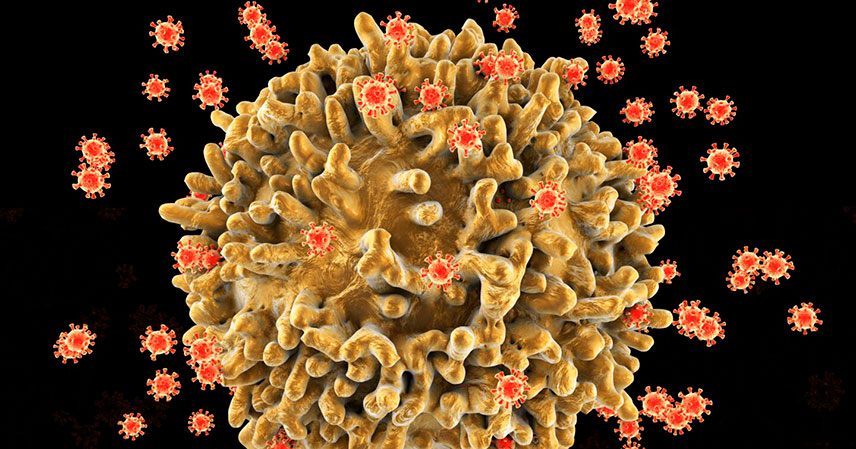
For decades, humanity has grappled with the profound challenge of HIV. Around the globe, approximately 40 million people are currently living with the virus. While significant advancements in antiretroviral therapies (ART) have transformed HIV from a death sentence into a manageable chronic condition, these treatments are not a cure. Individuals diagnosed with HIV must adhere to a strict, lifelong regimen of antiretroviral drugs. This daily commitment impacts quality of life and presents ongoing health management challenges.
However, a landmark report from 2025 has ignited a new wave of optimism. Researchers have unveiled compelling evidence suggesting that a “functional cure” for HIV may indeed be within reach. This revolutionary concept aims to control the virus long-term without the need for constant medication. The breakthrough stems from two independent clinical trials, both utilizing infusions of engineered antibodies. These studies showed remarkable success, with several participants maintaining viral suppression long after their interventions concluded.
Understanding the Breakthrough: Engineered Antibodies and Functional Cures 💉
The term “functional cure” is critical to understand. It differs significantly from a “sterilizing cure,” which would completely eradicate every trace of the virus from the body. A functional cure, by contrast, means the virus remains present but is suppressed to undetectable levels. The body can then control it without daily medication. This state offers immense benefits, drastically improving the lives of those living with HIV.
The core of this breakthrough lies in engineered antibodies. These specially designed proteins are highly targeted. They can neutralize HIV particles, enhance the body’s immune response, or even help clear viral reservoirs. Viral reservoirs are hidden pockets of infected cells where HIV can lie dormant, evading current drug therapies. The ability of these antibodies to provide sustained viral control represents a paradigm shift in HIV research. It moves beyond simply suppressing replication to actively managing the viral presence.
This innovative approach harnesses the body’s own defense mechanisms. It provides a more robust and potentially long-lasting solution than traditional daily pills. The goal is to empower the immune system to keep the virus in check. This could free individuals from the burden of lifelong drug adherence.
Deep Dive into the FRESH and RIO Trials 🔬
The promising results emerged from two distinct trials: the FRESH trial and the RIO trial. Each study employed unique methodologies but shared a common goal: achieving sustained viral control through antibody intervention. The outcomes of these trials provide concrete evidence for the feasibility of a functional cure.
The FRESH trial was conducted in South Africa. It was spearheaded by virologist Thumbi Ndung’u, affiliated with the University of KwaZulu-Natal and the Africa Health Research Institute. This trial involved 20 participants. A remarkable four of these individuals achieved and maintained undetectable levels of HIV. This control persisted for a median period of 1.5 years after stopping antiretrovirals. This sustained suppression without daily medication is a phenomenal result. It underscores the potential for antibody-based treatments.
Concurrently, the RIO trial unfolded across the United Kingdom and Denmark. This study was led by Sarah Fidler, a distinguished clinical doctor and HIV research expert at Imperial College London. The RIO trial enrolled 34 HIV-positive participants. Here, six participants successfully maintained viral control for at least two years. These participants did so without their usual antiretroviral regimen. Both trials, though independent, point towards a consistent and encouraging pattern of efficacy for engineered antibody therapies.
While the success rates are not 100%, they represent a significant leap forward. The fact that a subset of participants could maintain viral control for extended periods is groundbreaking. It suggests that these antibody infusions can effectively manage the virus. This offers a new avenue for treatment that could fundamentally change HIV care.
Implications and the Road Ahead 🌍
The potential implications of a functional HIV cure are vast and transformative. Firstly, it promises a dramatic improvement in the quality of life for millions. Freedom from daily medication could alleviate the psychological burden and improve physical health. It would also eliminate the inconvenience and stigma often associated with lifelong drug regimens.
Economically, a functional cure could lead to substantial savings. The cost of lifelong antiretroviral drugs is immense. Reducing or eliminating this expense would free up healthcare resources globally. This could be particularly impactful in low-income countries, where access to consistent ART remains a challenge. Moreover, the success of these trials could galvanize further research into similar antibody-based therapies for other chronic viral infections.
However, challenges remain. Scaling up antibody production and ensuring equitable global access will be critical. The cost of these advanced therapies must be manageable. Researchers also need to identify the ideal candidates for this treatment. Not all participants in the trials achieved sustained remission. Further research is essential to understand why some individuals respond better than others. Long-term efficacy and potential side effects also require continued monitoring. The journey is far from over, but these breakthroughs illuminate a clear path forward.
Key Insights from the HIV Cure Trials ✨
- Functional Cure Achievable: The trials provide robust evidence that a functional cure for HIV, allowing long-term viral control without daily medication, is a realistic goal.
- Engineered Antibodies are Key: Novel engineered antibody infusions demonstrated the ability to suppress HIV for extended periods in a significant subset of participants.
- Improved Quality of Life: This breakthrough holds immense promise for improving the lives of HIV-positive individuals, offering freedom from lifelong antiretroviral drug adherence.
- Global Health Impact: A functional cure could revolutionize global HIV management, reducing healthcare costs and improving access to effective treatment worldwide.
- Continued Research is Vital: While promising, further research is necessary to optimize these therapies, ensure scalability, and understand long-term outcomes for all patients.