The world is heating up. Electricity bills are a central political issue. A new report highlights a critical intersection of these trends: the escalating demand from data centers. This demand, fueled by the rapid expansion of artificial intelligence, threatens to significantly increase U.S. carbon emissions and electricity costs. However, targeted policy interventions offer a clear path to mitigate these impacts.
A recent analysis from the Union of Concerned Scientists (UCS) sheds light on this challenge. Released this Wednesday, the report models various scenarios for powering the AI boom. It provides a stark warning and a hopeful roadmap. Understanding these projections is crucial for policymakers and the public alike.
The Looming Energy Crisis: Data Centers and the AI Boom ⚡
The U.S. faces a substantial surge in electricity demand. Projections indicate a 60 to 80 percent increase by 2050. Data centers are the primary driver of this growth. They are expected to account for over half of this increase by the end of this decade. This unprecedented demand carries significant environmental implications.
If current policies persist, the outlook is concerning. Attacks on renewable energy continue. National policies restricting carbon emissions from power plants remain weak. Under these conditions, the UCS analysis forecasts a dire scenario. We could see a 19 to 29 percent increase in CO2 emissions from U.S. power plants. This rise is tied solely to data center energy needs over the next ten years.
Power plants are a major contributor to greenhouse gas emissions. They represent about a quarter of the country’s total emissions. Last year, the U.S. power sector saw a slight increase in emissions. This marked the first rise since 2023. A separate analysis by the Rhodium Group identified commercial buildings, including data centers, as key drivers of this demand surge. This trend underscores the urgency of addressing the energy consumption of our digital infrastructure.
Policy Pathways to a Sustainable Future 🌿
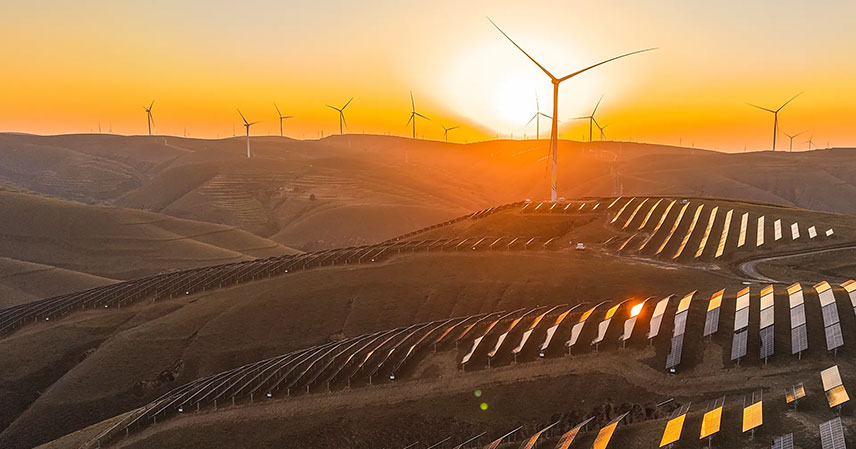
Despite the challenges, effective solutions exist. The UCS report highlights the power of smart policy. Reinstating tax credits for wind and solar energy is a critical step. These credits were political targets in last year’s legislative efforts. Their return could dramatically alter the energy landscape.
Such policies could yield significant environmental benefits. They could cut CO2 emissions by more than 30 percent over the next decade. This reduction would occur even with the substantial new electricity demand from data centers. The economic advantages are also compelling. Wholesale electricity costs could decrease by approximately 4 percent by 2050. This follows a slight initial rise over the coming decade. Investing in renewables offers a clear win-win for both the environment and consumers.
Navigating the Forecasting Challenge and Political Headwinds 🌬️
Accurately predicting future energy needs for AI is complex. Many public estimates come from utilities. These utilities are managing numerous requests for new capacity from data centers. Data center companies often solicit bids from multiple utilities. This practice can inflate overall estimates of actual need. It creates a skewed picture of future demand.
Technological advancements also introduce uncertainty. New innovations could make data centers far more energy-efficient. Some of the most sensational projections may be exaggerated. For instance, PJM, a large regional transmission organization, recently downgraded its grid energy projections. This came after a more careful review of data center proposals. The UCS modelers adopted a cautious approach. They used middle-range electric growth scenarios. They also assumed only half of publicly announced projects would be built. This aims for a more realistic assessment.
However, the political climate presents additional risks. The previous administration aggressively moved against renewable energy and climate policies. This suggests the UCS analysis might even underestimate future emissions. The modeling accounted for some policy shifts. These included easing regulations on coal plants and delaying offshore wind projects. Yet, other significant policy impacts were not included. An Interior Department policy, for example, mandated reviews for all federal land wind and solar projects. This created a massive bottleneck, stalling 22 gigawatts of projects. That is enough energy to power over 16 million homes. Furthermore, stop-work orders were issued for five East Coast wind farms. These were based on national security concerns. These actions demonstrate a clear political intent. This intent could exacerbate the energy and emissions challenges posed by the data center boom.
Key Insights 💡
- The rapid expansion of AI-driven data centers is projected to be the primary driver of U.S. electricity demand growth through 2050.
- Without proactive policy changes, this surge in demand could lead to a significant increase in U.S. carbon emissions and higher electricity costs for consumers.
- Reinstating and expanding tax credits for wind and solar energy is a proven strategy. It can substantially reduce CO2 emissions and stabilize electricity prices.
- Accurate forecasting of AI energy needs is challenging due to inflated utility requests and potential technological efficiencies, but the current political landscape poses a substantial risk of underestimating future emissions.
Source: The AI Boom Will Increase US Carbon Emissions—but It Doesn’t Have To