
The past week delivered a compelling narrative from the global space sector. It was marked by both remarkable advancements and sobering setbacks. NASA made monumental strides towards lunar exploration. However, other players faced critical challenges. The space landscape remains dynamic.
We saw the magnificent spectacle of the Artemis II mission rocket being rolled out. This signals a pivotal step in humanity’s return to the Moon. Yet, the week also brought significant hurdles. Chinese launchers experienced a concerning series of back-to-back failures. Rocket Lab’s ambitious Neutron launch vehicle project encountered a setback. This happened during a crucial qualification test. These events collectively paint a picture of an industry pushing boundaries. Innovation is often met with the inherent risks of space exploration.
Artemis II and NASA’s Lunar Ambitions 🚀
The sight of the massive rocket for the Artemis II mission moving to its launch pad in Florida was more than logistics. It represented tangible progression. This is part of NASA’s ambitious plan to send humans back to the lunar surface. Artemis II is the first crewed mission of the Artemis program. It will carry four astronauts on a lunar flyby. This paves the way for future landings.
This mission is a critical precursor to Artemis III. Artemis III aims to land the first woman and first person of color on the Moon. The Artemis program signifies a new era of lunar exploration. It emphasizes sustainable presence and international collaboration. The rollout underscored the immense scale and complexity of deep-space human missions. It also highlighted the dedication required. Successfully deploying this hardware is a testament to years of engineering and development.
The stakes for Artemis II are incredibly high. Its success will validate crucial systems and procedures. This is vital for future lunar endeavors. It will also reignite public interest in human space exploration. This mission is not just about reaching the Moon. It is about establishing a foundation for future missions to Mars and beyond. The world watches with anticipation. NASA prepares to write the next chapter in lunar history.
Challenges in the East: Chinese Launch Setbacks 📉
In stark contrast to NASA’s measured progress, China’s burgeoning space program faced a difficult period. The nation experienced back-to-back launch failures. These occurred within approximately 12 hours. Specific details are often scarce. However, such incidents are a stark reminder of inherent risks in rocket science. These events can significantly impact launch schedules. They can also affect confidence.
China has rapidly expanded its space capabilities. It launched its own space station. It also conducted numerous robotic lunar and Mars missions. These failures, however, highlight challenges for even a major space power. They underscore the need for rigorous testing and quality control. Each failure prompts a thorough investigation. This process is crucial for identifying root causes. It also helps in implementing corrective measures. The global space community will watch how China addresses these issues. Their response will be key to maintaining their impressive growth trajectory.
Such setbacks can also have broader geopolitical implications. Space capabilities increasingly measure national power. They also reflect technological prowess. While temporary, these failures could introduce delays. This impacts China’s ambitious long-term plans. They serve as a powerful reminder. Space remains a highly unforgiving environment. Even the most advanced rockets can encounter unforeseen issues. The pursuit of space dominance is fraught with both triumphs and tribulations.
Rocket Lab’s Neutron: A Qualification Hurdle ⚙️
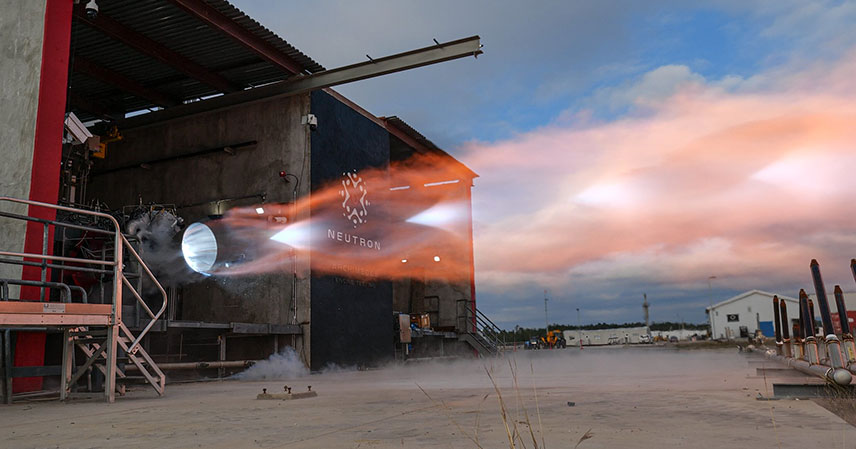
Rocket Lab is known for its reliable Electron small-satellite launcher. The company also encountered a significant obstacle. Their much-anticipated Neutron launch vehicle suffered a failure. This happened during a key qualification test. This incident casts a shadow over Neutron’s debut timeline. Neutron is designed as a medium-lift reusable rocket. It represents a major step up for Rocket Lab. This includes payload capacity and market reach.
The qualification test is a critical phase. It ensures all components withstand extreme stresses of launch. A failure at this stage necessitates a thorough review. It also requires potential redesigns. This can inevitably push back the first flight. Neutron is vital for Rocket Lab’s strategy. It aims to compete in the larger satellite launch market. It plans to offer cost-effective, frequent access to space.
Delays in Neutron’s development could impact Rocket Lab’s competitive position. The market for medium-lift rockets is increasingly crowded. New entrants and established players vie for contracts. Setbacks are common in aerospace development. However, the pressure to deliver a reliable and efficient vehicle remains high. Rocket Lab’s ability to quickly diagnose and rectify the issue will be crucial. It will determine their path forward. This new challenge will test their reputation for innovation.
Australia’s Ascent: Gilmour Space Secures Unicorn Status 🇦🇺
On a more positive note, Australia’s space industry received a significant boost. Gilmour Space Technologies secured AUD 217 million ($148 million) in funding. This substantial investment marks a turning point. It is vital for the Queensland-based company. CEO Adam Gilmour stated this funding provides Australia a “fighting chance” in the global space race. The company has now achieved “unicorn” status. It is valued at over $1 billion.
This funding round was notably led by the federal government’s National Reconstruction Fund Corporation. Superannuation giant Hostplus also contributed. Each invested $75 million. This government-backed investment highlights Australia’s strategic commitment. It aims to develop sovereign launch capabilities. It signifies a clear intent to become a more prominent player. This is true for the space economy. Gilmour Space Technologies aims to provide launch services. These are for small to medium satellites. Their first orbital rocket attempt was short-lived. However, it demonstrated their ambition.
Achieving unicorn status is a massive validation. It is important for Gilmour Space Technologies. It positions them as one of Australia’s most heavily backed private technology ventures. This investment will likely accelerate their development programs. It will also attract further talent and resources. This benefits the Australian space sector. The push for sovereign launch capability is more than national pride. It ensures independent access to space. This is for critical infrastructure and defense applications. Australia is clearly making a strong statement. This is evident in the global space arena.
Key Insights from a Dynamic Week ✨
- Global Space Race Intensifies: The week’s events highlight fierce competition and high stakes. This is true for the international space industry. Established giants and emerging players are pushing boundaries.
- Inherent Risks of Spaceflight: Launch failures in China and a qualification setback for Rocket Lab’s Neutron underscore a truth. Space exploration remains an incredibly challenging and high-risk endeavor. This is true even with advanced technology.
- Strategic National Investments: Australia’s significant investment in Gilmour Space Technologies demonstrates a growing trend. Nations prioritize sovereign space capabilities. This supports economic growth and strategic independence.
- Human Spaceflight Renaissance: NASA’s Artemis II progress reinforces momentum. It supports returning humans to the Moon. This lays groundwork for future deep-space missions. It also inspires global interest.
This past week served as a microcosm of the entire space industry. It was a blend of breathtaking achievement, frustrating setbacks, and strategic maneuvering. NASA’s steady march towards lunar return continues to inspire. Meanwhile, challenges faced by Chinese launchers and Rocket Lab remind us of rocketry’s unforgiving nature. The substantial investment in Gilmour Space Technologies offers a glimpse. It shows the decentralized and increasingly global nature of space innovation.
As we look ahead, the coming months promise more excitement. They also promise critical developments. Lessons learned from this week will undoubtedly shape future designs. They will also affect operational protocols and investment strategies. This is true across the sector. The global space race is far from over. It is simply entering its next thrilling phase.
Source: Rocket Report: Chinese rockets fail twice in 12 hours; Rocket Lab reports setbac