
A groundbreaking study from the University of Oklahoma is shedding new light on the complex causes of retinopathy of prematurity (ROP). This research suggests that subtle genetic variations may play a crucial role. Specifically, small differences in two proteins could influence how premature infants’ eyes develop. These proteins were previously recognized for their importance in lung development. The findings offer a fresh perspective on ROP risk. They open new avenues for understanding and potentially addressing this serious condition.
Retinopathy of prematurity is a severe eye disorder. It primarily affects infants born prematurely. This condition can lead to vision impairment or even blindness. The new study highlights the intricate connection between genetics and early development. It underscores the ongoing quest to protect vulnerable newborns.
Understanding Retinopathy of Prematurity (ROP) 🌱
Retinopathy of prematurity (ROP) is a critical concern in neonatal care. It is an eye disease that impacts the retina of premature infants. The retina is the light-sensitive tissue at the back of the eye. In full-term babies, retinal blood vessels develop fully before birth. However, in premature infants, this development is often incomplete. After birth, these immature vessels can grow abnormally. This abnormal growth can lead to scarring. In severe cases, it causes retinal detachment. Retinal detachment can result in permanent vision loss.
Several factors are known to contribute to ROP. Extreme prematurity is a primary risk factor. Low birth weight also increases the risk. Oxygen therapy, while vital for premature lungs, can sometimes exacerbate ROP. Medical professionals continuously monitor at-risk infants. Early detection and treatment are crucial. Current treatments aim to halt abnormal vessel growth. Yet, a deeper understanding of its underlying mechanisms is still needed. This new study moves us closer to that goal.
The Genetic Link: Unpacking the Proteins 🧬
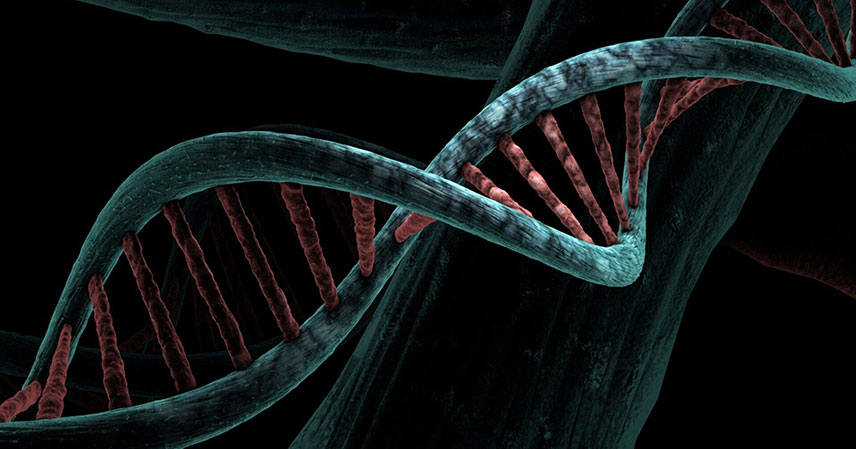
The University of Oklahoma study introduces a compelling genetic dimension to ROP. Researchers focused on two specific proteins. These proteins are already known for their function in the respiratory system. They are important for lung development in premature infants. The study found small genetic differences within these proteins. These tiny variations appear to influence eye development. This suggests a shared genetic pathway for lung and eye health.
These genetic differences could alter how the proteins function. Such alterations might affect the delicate process of retinal blood vessel formation. For instance, a slightly different protein structure could impact cell signaling. It could also change how cells respond to growth factors. This is a crucial area for developing retinal vessels. The researchers hypothesize that these genetic variations might make some infants more susceptible to ROP. This susceptibility could be independent of, or in conjunction with, other known risk factors. Further investigation into these specific protein pathways is now warranted.
Implications for Future Diagnosis and Treatment 💡
These findings hold significant implications for the future of ROP management. If confirmed by larger studies, this research could lead to new screening methods. Genetic testing might identify infants at higher risk of ROP. This would allow for more targeted monitoring. It could also enable earlier interventions. Personalized medicine approaches could emerge. Treatments might be tailored based on an infant’s specific genetic profile.
The study also points toward potential new therapeutic targets. Understanding how these genetic differences affect eye development could inspire novel drug development. These new therapies might aim to counteract the effects of the genetic variations. They could help promote healthy retinal vessel growth. This research empowers healthcare providers. It gives them more tools to combat ROP. It offers hope for preventing vision impairment in many premature infants. However, more research is essential before clinical applications are realized.
Key Insights 📊
- A University of Oklahoma study suggests that small genetic differences in two specific proteins may influence eye development in premature infants.
- These proteins were previously known for their critical role in lung development, highlighting a potential shared genetic influence on multiple organ systems.
- The findings imply that these genetic variations could affect an infant’s risk of developing retinopathy of prematurity (ROP).
- This research opens doors for future advancements in ROP screening, risk assessment, and personalized treatment strategies.
- Further studies are crucial to validate these findings and explore their full clinical potential for preventing vision loss in premature babies.
The University of Oklahoma study represents an exciting step forward. It deepens our understanding of ROP. The journey from genetic discovery to clinical application is often long. However, this research offers a promising new direction. It highlights the importance of continued scientific inquiry. Ultimately, it aims to improve outcomes for the smallest and most vulnerable patients. Scientists will continue to explore these genetic pathways. Their goal is to safeguard the vision of premature infants worldwide.
Source: Study links genetic variants to risk of blinding eye disease in premature infants