
As winter approaches, a familiar pattern of respiratory illness emerges. This season presents a complex challenge. Media headlines focus on the severe flu season. They also highlight the ongoing COVID-19 resurgence. These highly contagious viruses capture public concern. Yet, another significant player is circulating. The Centers for Disease Control and Prevention (CDC) reports elevated levels of Respiratory Syncytial Virus, or RSV. This is happening across many parts of the nation. Understanding this ‘triple threat’ is crucial for public health.
Understanding the Respiratory Illness Landscape 🌬️
The current respiratory season is proving exceptionally challenging. We are witnessing a surprisingly severe influenza outbreak. Cases of COVID-19 are also seeing a resurgence. These two viruses alone pose a significant burden on healthcare systems. They dominate public discourse and media coverage. However, RSV is an equally important, though often overlooked, pathogen. Its presence complicates an already difficult situation. The simultaneous circulation of these three viruses creates a ‘triple threat’ scenario. This demands heightened vigilance from individuals and public health bodies.
Influenza and COVID-19 share many common symptoms. They can both lead to severe illness. Both are highly contagious. The ongoing flu season has seen higher than average hospitalization rates in some demographics. Meanwhile, new COVID-19 variants continue to emerge. These variants contribute to new waves of infection. They underscore the virus’s persistent threat. Public health officials are closely monitoring these trends. They emphasize the importance of vaccination for both flu and COVID-19.
The Underestimated Impact of RSV 👶
Respiratory Syncytial Virus (RSV) is a common respiratory virus. It usually causes mild, cold-like symptoms. Most people recover within one to two weeks. However, RSV can be serious. It poses a significant risk for certain vulnerable populations. Young infants, especially those under six months, are particularly susceptible. Premature babies and children with chronic lung or heart conditions face higher risks. Older adults, especially those over 65, are also vulnerable. People with weakened immune systems can also experience severe complications.
For these at-risk groups, RSV can lead to severe infections. These include bronchiolitis. This is an inflammation of the small airways in the lung. RSV can also cause pneumonia. This is an infection of the lungs. Hospitalization rates for RSV can be substantial. In some cases, it requires intensive care. The symptoms of RSV can mimic other respiratory illnesses. This makes accurate diagnosis challenging. Symptoms often include a runny nose, coughing, sneezing, and fever. More severe signs might include wheezing or difficulty breathing. The CDC continually monitors RSV activity. They provide updates to the public and healthcare providers.
Navigating the Concurrent Outbreaks 🏥
Managing the simultaneous circulation of flu, COVID-19, and RSV presents unique challenges. Healthcare facilities can become overwhelmed. Distinguishing between the three viruses based on symptoms alone is difficult. This complexity often necessitates diagnostic testing. Rapid and accurate testing is crucial for appropriate treatment. It also helps in implementing effective infection control measures. Public health messaging plays a vital role. It must educate the public about the risks of all three viruses. It also needs to promote preventive strategies.
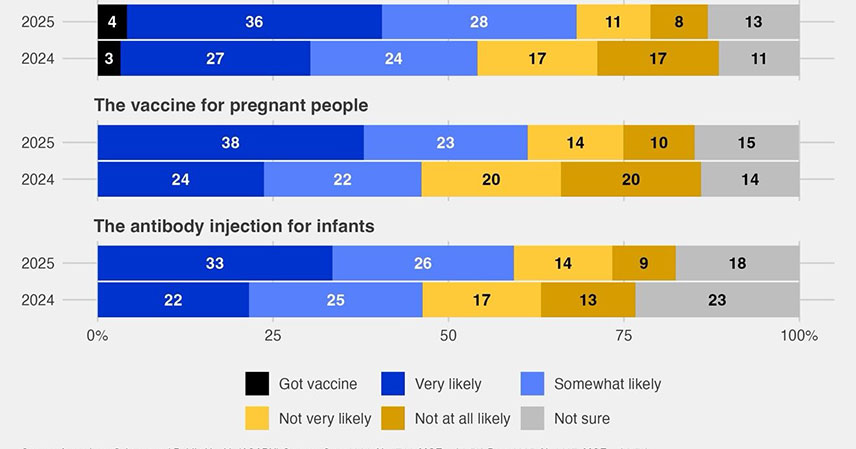
Preventive measures remain paramount. Vaccination is a cornerstone for flu and COVID-19. While a widely available RSV vaccine for all age groups is still emerging, new preventative options are becoming available, especially for infants and older adults. Basic hygiene practices are also critical. Frequent handwashing helps prevent spread. Covering coughs and sneezes is important. Staying home when sick is essential. These actions collectively reduce transmission. They protect the most vulnerable members of our communities. Community-level data and public health advisories are key resources. They help individuals make informed decisions.
Key Insights from the Current Respiratory Season 💡
- This season features a “triple threat” of respiratory illnesses: influenza, COVID-19, and RSV.
- RSV is a significant public health concern, often overshadowed by flu and COVID-19, but posing serious risks to infants and the elderly.
- Distinguishing between symptoms of these three viruses is difficult, underscoring the importance of diagnostic testing.
- Preventative strategies like vaccination (for flu/COVID-19), new RSV preventatives, and robust hygiene practices are crucial for protecting vulnerable populations.
- The simultaneous circulation of these viruses places immense pressure on healthcare systems and demands coordinated public health responses.
The current respiratory season demands our full attention. It’s not just about flu and COVID-19. The elevated presence of RSV adds another layer of complexity. Understanding the unique threats posed by each virus is essential. Adhering to public health recommendations is vital. This includes vaccination and practicing good hygiene. By staying informed and taking proactive steps, communities can better navigate this challenging period. We can collectively mitigate the impact of these formidable respiratory pathogens.
Source: Most would recommend RSV immunizations for older and pregnant people, survey finds