
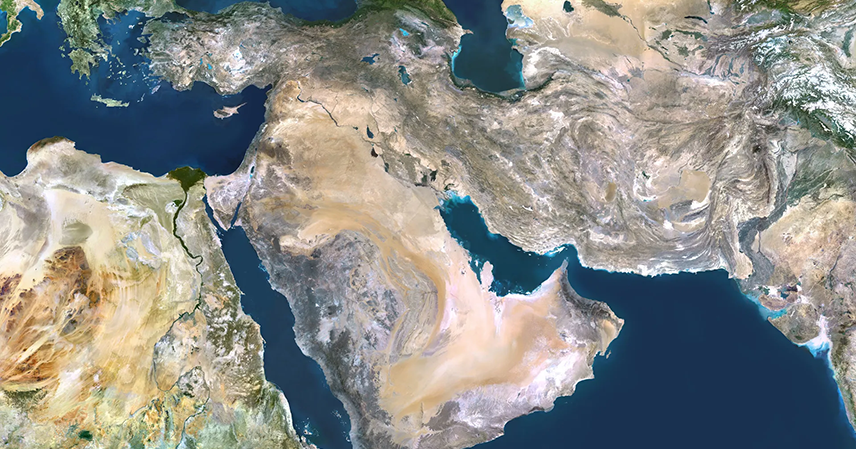
The Middle East has plunged into significant turmoil. On February 28, a series of strikes began. These were launched by United States and Israeli forces against Iran. This action immediately escalated regional tensions. The subsequent days have seen a dramatic expansion of conflict.
Iran has responded with widespread retaliatory attacks. This has created a complex and dangerous situation. The conflict’s scope and duration remain highly uncertain. Its implications are far-reaching. They affect global supply chains and geopolitical stability.
The Genesis of Escalation: Conflicting Narratives and Regional Blowback 💥
The initial US-Israeli strikes on Iran marked a critical turning point. Department of Defense Secretary Pete Hegseth indicated a potential eight-week operation. President Donald Trump offered a shorter projection of four to five weeks. Yet, he acknowledged the capability for a much longer engagement. These varying timelines highlight the inherent unpredictability of military actions.
Iran swiftly launched its own counter-offensives. Hundreds of drone and ballistic missile strikes have targeted Israel and US interests. These include embassies and military bases. Neighboring countries have also been affected. Many strikes were intercepted. However, casualties have occurred. Significant damage to infrastructure has been reported. This includes luxury hotels and vital ports.
Justifications for the US-Israeli actions have been diverse. They range from concerns over a potential “nuclear threat” to unverified claims of election interference. These conflicting statements add layers of complexity. They raise questions about the true objectives of the operation. Notably, the US Congress has not formally declared war. This absence of a declaration underscores the contentious nature of the military engagement.
Adding to the regional instability, Israel has commenced bombardments in Lebanon. This followed attacks by the Lebanese militant group Hezbollah. This expansion further complicates the conflict landscape. It draws in more regional actors. The situation is rapidly evolving. It demands continuous monitoring and analysis.
A Region Under Siege: Widespread Attacks and Civilian Impact 🌍
The conflict’s reach has extended across numerous nations. Iran has suffered immensely. Iranian state media estimates over 1,000 fatalities since the strikes began. Schools and hospitals have reportedly been hit. The Israeli Air Force claims over 5,000 munitions have been used against Iran. This indicates a high intensity of attacks.
Israel has also endured significant retaliation. At least 11 people have died in Tel Aviv. Over 40 buildings were damaged. These figures, reported by Al Jazeera, illustrate the human cost. Civilian populations are bearing a heavy burden. The cycle of violence continues unabated.
Azerbaijan reported drone attacks from Iran. These damaged an airport building and injured two civilians. President Ilham Aliyev has ordered retaliatory measures. Iran has denied responsibility. This denial complicates efforts to de-escalate. It fuels further mistrust.
Bahrain has seen missile and drone strikes. A US naval base was targeted. An Amazon data center was also reportedly hit. Iranian state media claimed responsibility for the latter. They cited Amazon’s alleged support for the US military. This highlights the targeting of critical infrastructure.
In Cyprus, a British air base was struck by a drone. Damage was limited, with no casualties. Greece, the UK, and France have provided defensive support. Iraq has reported multiple Iranian strikes. These targeted a US military base near Erbil International Airport. Jordan’s armed forces have intercepted dozens of missiles. An Iranian-backed group claimed responsibility. The US embassy in Jordan temporarily evacuated personnel.
Kuwait experienced multiple waves of Iranian attacks. US Central Command reported an incident. Three US fighter jets were accidentally shot down by Kuwaiti air defenses. This occurred during an attack involving Iranian aircraft. Oman’s Duqm commercial port has been hit. An oil tanker near Khasab port was also attacked. QatarEnergy halted natural gas production. This followed an attack on its facilities. These incidents underscore the widespread disruption.
Saudi Arabian infrastructure has been targeted. The US embassy in Riyadh was damaged. A Saudi Aramco refinery faced an attempted drone attack. Syria has seen attacks on civilians and civilian infrastructure. Turkey’s Ministry of National Defense reported NATO interception of Iranian munitions. Fragments fell into Hatay province. The United Arab Emirates intercepted hundreds of drones and missiles. Debris damaged areas like Dubai’s Burj Al Arab hotel. Amazon Web Services facilities were also struck. This caused service disruptions.
Economic Repercussions and Geopolitical Instability 📈
The escalating conflict has severe economic implications. Supply chains are already disrupted. The Strait of Hormuz, a vital shipping route, has seen halted traffic. This choke point is crucial for global energy transport. Any prolonged closure would have catastrophic effects. It would impact global oil prices and trade.
Key industries are facing immense uncertainty. The oil and gas sector is particularly vulnerable. Infrastructure has been targeted or shut down. The fertilizer industry also faces disruptions. These sectors are foundational to the global economy. Their instability has far-reaching consequences. It threatens food security and industrial production worldwide.
The geopolitical landscape is becoming increasingly volatile. The involvement of various regional and international actors is concerning. NATO’s interception of Iranian munitions demonstrates broader engagement. Defensive support from nations like Greece, the UK, and France highlights international concern. The role of militant groups, like Hezbollah, further complicates resolution efforts. Their actions add another layer of conflict.
The humanitarian crisis is deepening. United Nations officials note attacks on civilians. This includes civilian infrastructure in several countries. The call for citizens to evacuate from the region is urgent. The US military is offering transport. Over a dozen countries are sponsoring repatriation flights. This mass exodus underscores the gravity of the safety risks. It reflects the widespread fear and uncertainty.
Key Insights from the Unfolding Crisis 💡
- Widespread Regional Instability: The conflict has quickly expanded beyond initial combatants. It now affects a broad swathe of the Middle East. This includes critical shipping lanes and economic hubs.
- Significant Humanitarian Cost: Civilian casualties and damage to essential infrastructure are substantial. This is leading to a growing humanitarian crisis. Multiple nations are evacuating their citizens.
- Global Economic Disruptions: Key industries like oil, gas, and fertilizer face severe uncertainty. Supply chain interruptions, especially via the Strait of Hormuz, pose a threat to the global economy.
- Complex Geopolitical Dynamics: Conflicting justifications, lack of formal war declarations, and the involvement of non-state actors complicate diplomatic solutions. International responses are varied, indicating a fragile global security environment.
The situation in the Middle East remains extremely fluid. The initial US-Israeli strikes have ignited a broad regional conflagration. Iran’s robust response has ensured widespread impact. The long-term consequences are still unfolding. They will undoubtedly reshape the region. They will also influence global stability for years to come. Monitoring this crisis is paramount, especially as we learn to decode the doublespeak and conflicting rhetoric often found in official statements. The international community watches closely. The world hopes for de-escalation, but the path to peace appears fraught with challenges. The human cost continues to mount.
Source: Here’s Every Country Directly Impacted by the War on Iran