
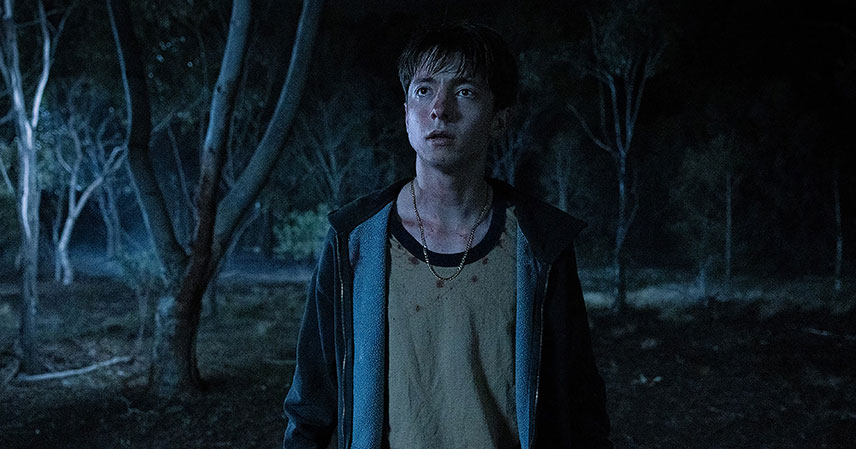
The Sundance Film Festival often serves as a crucial platform. It introduces groundbreaking cinematic voices to the world. This year, one such voice belongs to Australian writer-director Adrian Chiarella. His debut feature, Leviticus, has captivated audiences. It blends horror with a surprisingly tender romance. The film delivers a powerful and timely social commentary.
At its core, Leviticus delves into the terrifying world of conversion therapy. It explores the destructive impact of religious dogma. This dogma targets queer youth. The film is set in an isolated Australian town. Here, perceived ‘sins’ manifest in a uniquely horrifying way. It challenges viewers to confront uncomfortable truths.
The Dual Horrors of Leviticus: Societal Scourge and Supernatural Affliction 🎬
Chiarella masterfully crafts a narrative with two distinct layers of terror. On one hand, there is the palpable fear. This fear stems from living within a deeply religious community. This community views homosexuality as a curse. The film highlights the pervasive threat of bigotry. It shows how it can infect daily life. This societal pressure is a chilling reality for many.
However, Leviticus introduces a unique supernatural element. Queer desire is not just a social danger. It becomes a literal, horrifying affliction. This creative choice elevates the film beyond mere social realism. It transforms the internal struggle into an external, visceral threat. This dual approach makes the film particularly unsettling.
The film opens with Naim (Joe Bird) and Ryan (Stacy Clausen). They share a clandestine moment. Their innocent play-fight leads to a tender kiss. This scene immediately establishes a sense of vulnerability. It also hints at the forbidden nature of their affection. For Naim, this connection offers a glimpse of happiness. It is a rare spark in an otherwise bleak new town. He lives with his warm but somewhat oblivious single mother, played by Mia Wasikowska.
This early romance is quickly shadowed. Naim witnesses Ryan with Hunter (Jeremy Blewitt). Hunter is the local preacher’s son. This discovery fuels Naim’s jealousy. It leads him to a fateful decision. This choice sets in motion the film’s central conflict. It underscores the fragility of trust and the power of regret.
Adrian Chiarella’s Indelible Debut: Crafting a Unique Narrative ✍️
Adrian Chiarella’s directorial debut is remarkably assured. He demonstrates a keen understanding of genre conventions. Yet, he is not afraid to subvert them. Chiarella blends elements of horror, drama, and romance. He creates a truly original cinematic experience. His storytelling is both intelligent and emotionally resonant.
The film’s strength lies in its character development. Naim’s journey is particularly poignant. He grapples with new feelings. He navigates a hostile environment. His vulnerability is palpable. Ryan’s character, too, holds significant depth. He struggles with his identity. He also faces the expectations of his community. These complex portrayals make the characters feel authentic.
Chiarella uses the horror genre metaphorically. The supernatural affliction mirrors the real-world trauma. This trauma is inflicted by conversion therapy. It reflects the deep psychological scars. These scars result from attempts to ‘cure’ one’s identity. The film doesn’t shy away from the gory results. It underscores the inherent violence of such practices. This makes the film a powerful statement.
The casting is also a highlight. Joe Bird and Stacy Clausen deliver compelling performances. They bring depth and nuance to their roles. Mia Wasikowska’s presence adds a layer of quiet intensity. She portrays a mother oblivious to the true dangers surrounding her son. Their combined efforts elevate the film. They ensure its emotional weight lands effectively.
Beyond the Screen: The Broader Implications of ‘Leviticus’ 🏳️🌈
Leviticus arrives at a critical juncture. Debates around LGBTQ+ rights continue globally. Conversion therapy remains a contentious issue. Many countries have banned it. Yet, it persists in various forms worldwide. The film serves as a stark reminder. It highlights the dangers faced by queer individuals. Especially those in conservative communities.
The title itself, Leviticus, is highly symbolic. It references biblical passages. These passages are often cited to condemn homosexuality. By using this title, Chiarella directly confronts the scriptural basis. He challenges the justifications for prejudice. This bold choice signals the film’s intent. It aims to provoke thought and discussion.
The film’s exploration of supernatural horror also has deeper implications. It externalizes the internal torment. This torment is often experienced by queer individuals. They are forced to suppress their true selves. The ‘curse’ can be seen as a manifestation of internalized homophobia. It shows the psychological damage it inflicts. This makes the film a powerful allegory.
Leviticus contributes significantly to queer cinema. It offers a fresh perspective on familiar themes. It combines social commentary with genre thrills. This approach makes it accessible to a wider audience. It has the potential to spark crucial conversations. Discussions about acceptance, identity, and the harm of religious extremism are vital.
Key Insights from Sundance’s Leviticus 💡
- Critique of Conversion Therapy: The film offers a chilling and visceral critique. It exposes the destructive nature of conversion therapy practices. It frames them as a true horror.
- Supernatural as Metaphor: It cleverly uses supernatural horror elements. These elements symbolize the psychological and physical trauma. This trauma is inflicted by societal and religious prejudice against queer identity.
- Vulnerability of Queer Youth: Leviticus powerfully portrays the isolation and fear. These are experienced by young queer individuals. They navigate hostile environments.
- Promising Debut: Adrian Chiarella establishes himself as a director to watch. His debut feature is intelligent, nuanced, and visually striking. He masterfully blends genres.
- Timely Social Commentary: The film’s themes are incredibly relevant today. It contributes to ongoing discussions. These discussions concern LGBTQ+ rights and religious freedom.
In conclusion, Leviticus is more than just a horror film. It is a profound statement. It is a powerful exploration of identity, faith, and fear. Adrian Chiarella has delivered an unforgettable debut. It resonates long after the credits roll. The film’s screening at Sundance is a testament to its quality. It is now eagerly seeking distribution. We anticipate its broader release. It promises to leave a lasting impact on audiences worldwide.
Source: Leviticus review – queer desire is a deadly curse in haunting horror