Late-night television often serves as a crucial barometer for the political climate. On a recent Thursday night, hosts across various networks turned their comedic spotlight onto a trio of pressing topics. These discussions offered more than just laughs. They provided sharp commentary on significant national and international developments.
The segments delved into Melania Trump’s surprising Women’s History Month speech. They also scrutinized the evolving MAGA messaging regarding Iran. Furthermore, the persistent and frustrating oil crisis took center stage. This analysis explores the deeper implications behind these headline-grabbing issues.
Melania Trump’s Evolving Persona and the Women’s History Month Paradox 🌸
Melania Trump’s appearance at a White House Women’s History Month event sparked considerable discussion. Many observers found her address “odd.” This reaction stemmed from both its content and its perceived tone. It deviated from typical First Lady narratives.
Analysts noted a striking shift in her public rhetoric. Her speech contained phrases and sentiments that echoed her husband’s populist style. She emphasized themes of individual resilience and traditional values. Some interpreted this as a deliberate alignment with the broader MAGA movement’s messaging. This strategic pivot suggests a calculated political move.
The “oddness” likely arose from the contrast between the event’s purpose and her chosen focus. Women’s History Month typically celebrates progress and empowerment. Her speech, however, leaned into themes often associated with conservative viewpoints. It offered little in the way of specific policy proposals or advocacy for contemporary feminist issues. This approach left many questioning its true intent and impact.
This rhetorical alignment could signal a future political role for the former First Lady. It might also reflect an attempt to galvanize a specific base. Her words carry weight. They often provide insight into the broader political family’s strategic direction. Her increasingly vocal presence warrants careful observation. It shapes perceptions of the movement.
MAGA’s Iran Stance and the Geopolitical Chessboard 🌍
The late-night segments also dissected the “fallout of the war on Iran” and MAGA’s specific messaging. This phrase refers less to an actual conflict and more to the intense geopolitical tensions. It highlights the confrontational stance often adopted by the movement. Their rhetoric frequently targets the Iranian regime.
MAGA’s approach to Iran is typically characterized by strong opposition. It often criticizes the 2015 nuclear deal. It advocates for maximum pressure sanctions. This strategy aims to curb Iran’s nuclear ambitions and regional influence. Late-night hosts often highlight the potential dangers of such aggressive posturing. They point to risks of escalation.
The “fallout” extends beyond rhetoric. It influences international relations. It affects alliances in the Middle East. Such messaging can complicate diplomatic efforts. It can also embolden hardliners on both sides. The hosts’ critiques often centered on the perceived lack of nuance. They questioned the long-term strategic wisdom of such a stance. They highlighted the human cost of potential conflicts.
This political messaging plays a significant role domestically too. It mobilizes a base that prioritizes national security and a strong foreign policy. Understanding these narratives is crucial. They shape public opinion. They also influence policy debates. The comedic take often underscores the absurdity or hypocrisy found within these complex geopolitical discussions.
The Persistent Oil Crisis: Economic Ripples and Political Blame ⛽
The ongoing oil crisis remains a major concern for many Americans. Late-night hosts addressed its origins and impacts. This crisis is a multifaceted issue. It stems from a combination of global supply chain disruptions. Geopolitical instability also plays a large role. The war in Ukraine, for example, significantly impacted global energy markets. Sanctions on major oil producers contribute to volatility.
Consumers feel the direct impact at the gas pump. Rising fuel prices affect daily commutes. They increase the cost of goods and services. This fuels broader inflationary pressures. The economic ripple effect is substantial. It impacts household budgets and business operations alike. This makes it a prime target for political commentary and satire.
Late-night programs often satirize the political blame game surrounding the crisis. Different parties attribute the problem to various factors. Some blame current administration policies. Others point to international events or corporate greed. The hosts expertly navigate these competing narratives. They often expose the simplistic nature of some arguments. They highlight the complex realities of global energy markets.
The discourse around the oil crisis extends to debates on energy independence. It touches on renewable energy transition. It also involves discussions about strategic oil reserves. These are critical policy areas. They have long-term implications for national security and environmental sustainability. Comedy, in this context, offers a unique way to engage with these serious topics. It often makes them more accessible to a wider audience.
Key Insights: Unpacking the Week’s Political Comedy 💡
- Melania Trump’s evolving public image reflects a potential strategic realignment, echoing populist sentiments and raising questions about her future political involvement.
- MAGA’s Iran rhetoric continues to be a focal point, emphasizing a confrontational approach that late-night hosts critically examine for its geopolitical risks and domestic political implications.
- The ongoing oil crisis serves as a potent symbol of economic anxiety, prompting widespread political blame games and highlighting the intricate link between global events and everyday consumer costs.
- Late-night comedy acts as a vital platform, offering critical analysis and public discourse on complex political narratives, often simplifying them for broader consumption while maintaining sharp insights.
In summary, late-night hosts continue to serve as more than just entertainers. They function as astute political commentators. Their recent discussions on Melania Trump’s speech, MAGA’s Iran messaging, and the oil crisis demonstrate this. They provide a unique blend of humor and insight, helping audiences navigate a complex political landscape and its underlying rhetoric. These programs reflect public sentiment and shape it, encouraging viewers to look beyond the headlines. The intersection of politics and comedy remains a powerful force for driving engagement and critical thought.
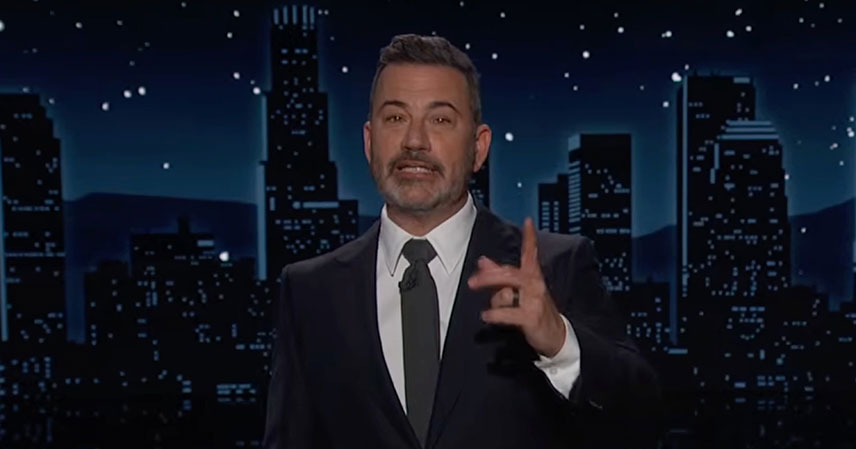
Source: Jimmy Kimmel on Trump being gifted an Olympic medal: ‘Yet another award he didn’t win’