
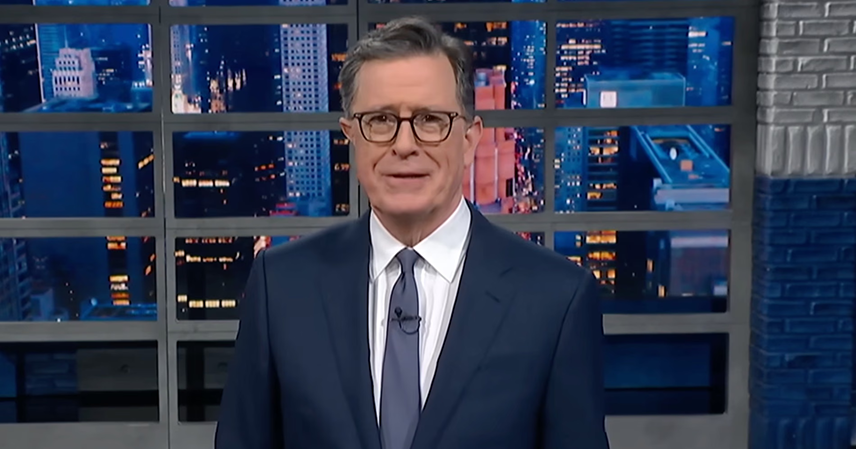
Late-night television hosts have long served as a unique barometer for the nation’s collective mood, blending humor with sharp social and political commentary. On any given night, these comedians tackle the most pressing issues, transforming complex headlines into digestible, often hilarious, segments. Their recent broadcasts were no exception, providing a critical look at a range of topics from high-stakes political maneuvers to everyday consumer concerns. This analysis delves into how these influential voices dissected key events, offering insights into the broader implications of the news.
From presidential firings to fluctuating gas prices and even celebrity health crusades, late-night hosts illuminate the narratives shaping American discourse. They not only report the news but also interpret it, often highlighting absurdities and holding power to account. Their ability to distill complex events into relatable jokes makes them powerful shapers of public opinion. Let’s explore the themes that dominated their recent monologues and sketches.
The Political Whirlwind: Trump, DHS, and Republican Figures 🌪️
The political landscape remains a constant source of material for late-night comedians. Recent commentary focused heavily on former President Trump’s actions, particularly concerning the Department of Homeland Security (DHS). The firing of a DHS secretary is always a significant event. It signals potential shifts in policy and priorities within a critical government agency.
Such decisions often spark intense debate. They raise questions about executive power and government stability. Late-night hosts, known for their critical stance, likely scrutinized the timing and motivations behind such a move. They would have explored the potential consequences for national security and immigration policies. This type of high-level personnel change often becomes a proxy battleground for broader political ideologies.
Beyond the executive branch, hosts also turned their attention to other prominent Republican figures. The mention of Kristi Noem, for instance, suggests a focus on the broader conservative political sphere. While the initial text ambiguously referenced “celebrating Kristi Noem’s firing,” late-night commentary typically involves satirical takes or critical examination of political figures and their actions. Hosts likely used her public appearances or policy stances as fodder for their routines. This highlights how elected officials, regardless of their position, are constantly under the comedic microscope, often facing sharp satire that reflects public sentiment or media scrutiny.
This critical engagement with political figures is vital. It keeps leaders accountable and informs the public through an entertaining medium. The hosts dissect campaign rhetoric, policy proposals, and even personal controversies. Their humor often serves as a powerful tool for political critique. It allows audiences to process complex political narratives in a more accessible way. This segment of late-night shows underscores the ongoing political polarization and the media’s role in interpreting it.
Economic Echoes: Gas Prices and Global Tensions ⛽
Economic concerns frequently resonate deeply with the American public. Rising US gas prices emerged as another significant topic for late-night discussion. These price hikes are not merely an inconvenience; they directly impact household budgets and consumer confidence. For many families, every cent increase at the pump translates into difficult financial choices.
The causes of fluctuating gas prices are often multifaceted. They involve global oil supply and demand, geopolitical events, and even domestic policies. Hosts likely used this topic to highlight the everyday struggles of ordinary Americans. They would have explored the broader economic implications for inflation and living costs. Humor can effectively underscore the frustration many feel about these uncontrollable economic forces.
The raw text also mentioned “Maga’s handling of the war in Iran.” While “Maga” is a political movement, this phrase likely refers to the broader conservative or Trump-era foreign policy approach, particularly concerning tensions in the Middle East. Geopolitical stability, or the lack thereof, directly influences global oil markets. Any perceived “handling” or mishandling of international conflicts can send shockwaves through the energy sector.
Late-night hosts would have drawn connections between foreign policy decisions and their tangible impact on American wallets. They might have satirized the complexities of international relations. They could also have criticized specific diplomatic strategies or their perceived failures. This demonstrates how late-night comedy bridges the gap between high-level foreign policy and its concrete effects on daily life. It forces audiences to consider the interconnectedness of global events and local economic realities. The jokes serve as a reminder that political rhetoric often has real-world consequences, particularly when it comes to the price of essential goods.
Cultural Currents: RFK Jr., Health, and Consumer Choices ☕
Beyond politics and economics, late-night shows often delve into cultural phenomena and public figures’ unique crusades. Robert F. Kennedy Jr.’s recent focus on consumer products, specifically sugary Starbucks drinks (initially mentioned as Dunkin’), provided ample material. This critique taps into a broader national conversation about public health, corporate responsibility, and personal dietary choices.
RFK Jr. is known for his advocacy on environmental and health issues. His targeting of popular, high-sugar beverages aligns with a growing movement towards healthier eating and transparency in food labeling. His comments likely sparked discussions about the role of sugar in the American diet. They also highlighted the influence of major beverage chains.
Late-night hosts would have approached this topic with a blend of satire and genuine interest. They might have humorously exaggerated the “crackdown” on sugary drinks. They could also have used it to spark a wider conversation about consumer habits. This segment often serves as a lighter counterpoint to heavier political topics. However, it still carries underlying social commentary. It reflects evolving public attitudes towards wellness and corporate accountability.
The segment on RFK Jr. and Starbucks exemplifies how late-night comedy captures the zeitgeist. It explores how public figures attempt to shape cultural norms. It also examines how everyday consumer choices become part of a larger debate. The hosts’ commentary provides a snapshot of contemporary concerns. It shows how even seemingly trivial observations can reveal deeper societal trends regarding health, diet, and the power of brands. This cultural critique is an essential part of the late-night experience, offering a different lens through which to view American life.
Key Insights 💡
- Late-night shows act as critical interpreters of current events, translating complex political, economic, and cultural news into accessible, often satirical, commentary for a broad audience.
- Political accountability is a recurring theme, with hosts consistently scrutinizing executive decisions, legislative actions, and the public conduct of prominent figures, using humor to highlight inconsistencies or perceived missteps.
- Economic anxieties are frequently foregrounded, connecting global geopolitical events, like foreign policy discussions, to their direct impact on everyday American lives, such as rising gas prices.
- Cultural debates surrounding health and consumerism are increasingly prominent, demonstrating how public figures and media commentary influence discussions on corporate responsibility and individual choices, even down to beverage consumption.
In conclusion, late-night hosts continue to play an indispensable role in America’s media landscape. They are not just entertainers but also astute observers and commentators on the nation’s unfolding story. Their ability to weave together disparate news items—from political firings and economic woes to cultural critiques—into a coherent, humorous narrative provides a valuable service. They offer a space for collective processing of complex information, much like how accessible technology empowers new creators to join this cultural conversation. This unique blend of news, analysis, and comedy ensures that even in the most turbulent times, there’s always a lens through which to view the world with a critical, yet often hopeful, eye.
Source: Stephen Colbert on Kristi Noem: ‘A domestic terrorist who deserves to go to Gitmo’