
The landscape of modern television is constantly evolving. In recent years, a prominent trend has dominated streaming services: the adaptation of beloved films into new series. This phenomenon has sparked much debate among critics and audiences alike. Many of these adaptations initially felt uninspired and unnecessary.
Studios often raided their back catalogues for familiar titles. The goal was to attract viewers with built-in brand recognition. However, this strategy frequently fell flat. Audiences were left with shows that lacked the magic of their cinematic predecessors.
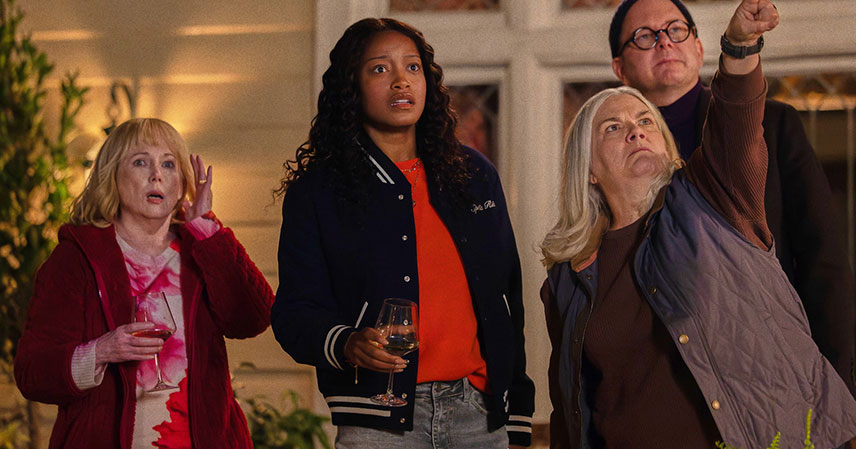
Yet, a shift is now observable. There’s a growing number of film-to-TV extensions showing genuine promise. These newer projects demonstrate more thoughtful execution. They aim to expand rather than merely replicate their source material. Peacock’s recent take on the 1989 cult classic ‘The ‘Burbs’ offers a fascinating case study in this evolving trend.
The Initial Wave: Quantity Over Quality 🌊
For a significant period, the streaming world was awash with what felt like desperate adaptations. Studio-owned platforms were scrambling for content. They often overlooked the creative integrity of the original works. The primary motivation appeared to be leveraging existing intellectual property.
Paramount, for instance, delivered ‘Fatal Attraction’ and ‘American Gigolo’ as series. Both failed to capture the essence or critical acclaim of their film counterparts. Even more perplexing was ‘Grease: Rise of the Pink Ladies’. This show attempted to expand a musical universe without a clear narrative purpose. Warner Bros. also joined in with animated Gremlins and Aquaman shows. Universal tried with ‘Pitch Perfect: Bumper in Berlin’ and ‘The Continental: From the World of John Wick’.
These projects often felt like cynical cash grabs. They were designed to fill content pipelines. The results were largely forgettable. This trend was boringly inevitable, as the article notes. It was also predictably pointless for most viewers. Thankfully, this particular pipeline of thoughtless adaptations has begun to slow down.
A New Dawn: The Rise of Thoughtful Extensions ✨
Mercifully, the industry seems to be learning. More recent film-to-TV extensions are demonstrating a higher degree of creative thought. These shows aim for genuine expansion. They explore the ‘why’ behind their existence, not just the ‘because’. This focus on narrative depth is crucial for success.
Examples include upcoming series like ‘The Penguin’ and ‘Alien: Earth’. Both promise to delve deeper into established universes. ‘It: Welcome to Derry’ and ‘Monarch: Legacy of Monsters’ are also highly anticipated. They offer new perspectives on familiar horror and sci-fi narratives. The ‘Ted’ series, too, found a way to translate its R-rated humor effectively. These projects move beyond simple re-treads. They seek to enrich their source material with fresh stories and character development. This shift signifies a maturation in the adaptation process. It prioritizes storytelling over mere brand recognition.
‘The ‘Burbs’ Revisited: A Cozy Mystery with Charisma 🕵️♀️
Peacock’s new take on ‘The ‘Burbs’ stands out in this evolving landscape. The original 1989 film, starring Tom Hanks, was a unique blend of horror and comedy. It slowly garnered cult classic status. The new series isn’t positioned as a groundbreaking necessity. Instead, it’s presented as a mostly harmless and decently engaging experience. This approach aligns with the growing trend of nuanced adaptations.
The series is described as an “Only Murders in the Building-adjacent mystery.” This comparison is highly telling. It suggests a focus on character-driven intrigue and comedic elements. It likely emphasizes a lighter tone than traditional horror. The charisma of its lead actor is highlighted as a key strength. This is vital for any character-focused mystery. The show manages to captivate viewers for much of its run. However, it reportedly reveals its limitations towards the very end. This suggests challenges in sustaining its premise or delivering a satisfying conclusion. Despite this, its overall reception marks a positive step. It shows that even less obvious cult classics can find new life on the small screen.
Key Insights 🧠
- Evolving Adaptation Strategies: The industry is moving from uninspired, catalogue-raiding adaptations to more thoughtful, creatively driven extensions.
- The Importance of ‘Why’: Successful new series focus on expanding the universe and characters. They don’t just replicate the original story.
- Cult Classics Find New Life: Niche films like ‘The ‘Burbs’ can be reimagined. They offer unique opportunities for fresh narrative takes.
- Charisma as a Pillar: A strong lead performance remains critical. It can elevate even a moderately engaging premise into a compelling watch.
The journey from film to television series has been a bumpy one. Early attempts often felt like cynical exercises in content creation. They frequently disappointed loyal fans. However, the recent shift signals a more promising future. Studios are now investing in projects with genuine creative vision. They understand the need to justify an adaptation’s existence.
The success of shows like ‘The ‘Burbs’ adaptation, even with its minor flaws, reinforces this idea. It proves that thoughtful expansion can resonate with audiences. This trend will likely continue. We can expect more nuanced and well-crafted series. These shows will honor their source material while forging their own distinct identities. The era of truly engaging film-to-TV adaptations may just be beginning.
Source: The ’Burbs review – Keke Palmer takes over from Tom Hanks for frothy TV remake