
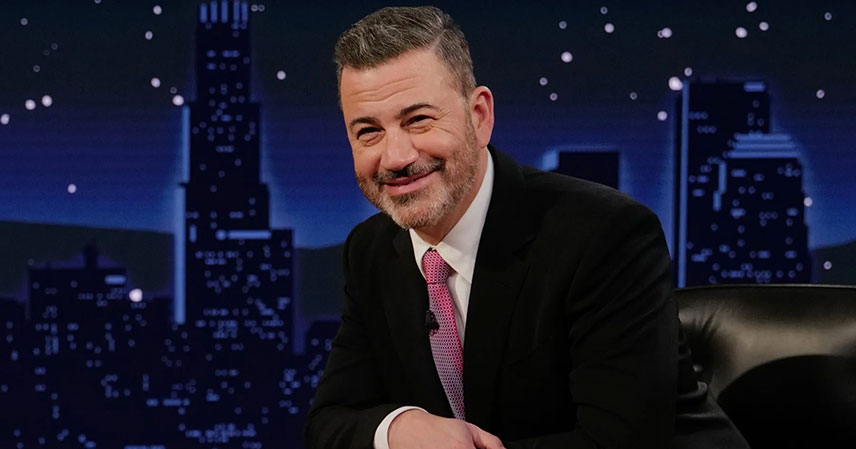
A recent investigation has cast a significant shadow over the Federal Communications Commission (FCC). Internal emails, obtained by WIRED through a Freedom of Information Act request, reveal troubling conduct. A senior FCC official reportedly offered to assist Chairman Brendan Carr’s campaign. This campaign targeted the Walt Disney Co. and its popular show, Jimmy Kimmel Live! This revelation raises serious questions. It challenges the impartiality expected from career civil servants. It also highlights potential abuses of regulatory power.
This incident transcends a simple news story. It delves into the very core of regulatory integrity. It examines the boundaries of free speech in broadcasting. The details expose a concerning intersection of politics and public service. This analysis explores the deeper implications of these revelations. It considers their impact on media freedom and governmental ethics.
The Unprecedented Intervention: A Closer Look at the Email Exchange 📧
The heart of the controversy lies in an email from Lark Hadley. Hadley serves as the FCC’s West Coast enforcement director. This makes him a career civil servant. On September 17, following Chairman Carr’s public threats against Disney, Hadley reached out. He emailed Carr and FCC chief of staff Scott Delacourt. The email was titled “personal note of support re Charlie Kirk ABC/Disney issue.” This subject line alone signals an unusual departure from standard procedure.
Hadley quoted Carr’s own words from an interview. Carr had stated: “This is a very, very serious issue right now for Disney. We can do this the easy way or the hard way.” This phrase underscored the severity of the regulatory pressure. Hadley then offered his assistance. He told them, “Please, do not let up, and let me know if I can help in any way.” Such an offer from an enforcement chief is highly irregular. It suggests a political alignment where impartiality should prevail. This action directly contradicts federal ethics rules. These rules prohibit employees from participating in matters where their objectivity could be questioned.
The potential for a conflict of interest is clear. Hadley’s office holds direct enforcement authority. This authority extends over physical ABC-owned stations in its jurisdiction. KABC-TV in Glendale is one such station. It is the broadcast origin for Jimmy Kimmel Live! This direct oversight makes Hadley’s offer of support even more problematic. It blurs the lines between professional duty and political advocacy.
Regulatory Leverage and the Chilling Effect on Broadcasters 🥶
Chairman Carr’s threats were not empty words. They quickly triggered significant industry repercussions. Major affiliate networks, including Nexstar and Sinclair, took immediate action. Both companies had multi-billion-dollar mergers pending before the FCC. This created a clear conflict of interest. They refused to air Jimmy Kimmel Live! This refusal directly followed Carr’s public statements. The pressure forced Disney to temporarily suspend the show.
This incident became a critical test. It showed Carr’s willingness to use the FCC’s regulatory power. This power was leveraged against perceived political critics. The episode also highlights a concerning trend. It points to the potential for a “chilling effect” on free speech. Broadcasters might self-censor to avoid regulatory retaliation. This could stifle diverse viewpoints and critical commentary. The financial stakes involved for these networks are immense. This only amplifies the perceived coercion. Their decisions could be seen as attempts to appease the regulator. This ensures their business interests are not jeopardized.
The temporary suspension of a nationally broadcast show sends a powerful message. It demonstrates the tangible consequences of regulatory pressure. This kind of intervention can undermine editorial independence. It can also create an environment of fear. Broadcasters may become hesitant to air content that could be deemed controversial. This ultimately harms the public’s right to access varied information and perspectives.
Ethics, Impartiality, and the First Amendment Under Scrutiny ⚖️
Federal ethics rules are clear. Government employees must avoid conflicts of interest. Their impartiality must remain unquestionable. Lark Hadley’s actions directly challenge these principles. As an enforcement director, he holds direct authority. His office oversees ABC-owned stations in his jurisdiction. This includes KABC-TV in Glendale. KABC-TV is the broadcast origin for Jimmy Kimmel Live! This proximity makes his offer of assistance particularly problematic. It raises profound ethical questions about his conduct.
Will Creeley, legal director at the Foundation for Individual Rights and Expression (FIRE), voiced strong concerns. He stated that regional directors “have no business cheering on the FCC chairman’s regulatory threats.” Creeley emphasized the oath all government officials take. This oath includes upholding the First Amendment. The First Amendment bars government from coercing private broadcasters. It prevents them from censoring dissent. Hadley is a public servant, paid by taxpayer dollars. His enthusiasm for what appears to be an abuse of power is deeply troubling. It undermines public trust in regulatory bodies. It suggests a troubling disregard for constitutional principles.
The core issue here is the government’s role in media content. The FCC is an independent agency. Its mandate is to regulate communications in the public interest. This mandate does not include dictating political viewpoints. It certainly does not include pressuring broadcasters for political reasons. Hadley’s email appears to cross this critical line. It transforms a regulatory official into a political operative. This sets a dangerous precedent for the future of media regulation.
Key Insights ✨
The events surrounding the FCC’s actions against Disney and Jimmy Kimmel Live! reveal several critical insights into regulatory ethics and media freedom:
- A senior FCC official demonstrated an unprecedented breach of impartiality. This raised serious questions about the agency’s ethical standards.
- The incident showcased the potential for regulatory power to be weaponized. It created a chilling effect on broadcasters’ willingness to air content.
- The case underscores the vital importance of the First Amendment. It protects media outlets from government coercion and censorship.
- There is a clear need for greater transparency and accountability within federal agencies. This ensures civil servants adhere to strict ethical guidelines.
The Path Forward: Restoring Trust and Upholding Principles 🌟
This saga serves as a stark reminder. The integrity of independent regulatory bodies is paramount. When career civil servants offer political assistance, it erodes trust. When regulatory threats silence critical voices, it endangers free speech. The FCC’s mission is to serve the public interest. It must do so without political bias or coercion. This incident demands thorough review and transparent accountability. It highlights the urgent need for robust ethical oversight.
Upholding the First Amendment and ethical conduct is not merely a guideline; it is a fundamental pillar of a democratic society. The principles of impartiality and non-coercion are essential to ensure a free and diverse media landscape, particularly when late-night hosts navigate complex political landscapes through satire. Without these protections, the public’s access to independent information is compromised. The future of media independence depends on strict adherence to these foundational values and an FCC that operates above the political fray.
Source: FCC Enforcement Chief Offered to Help Brendan Carr Target Disney, Records Show