
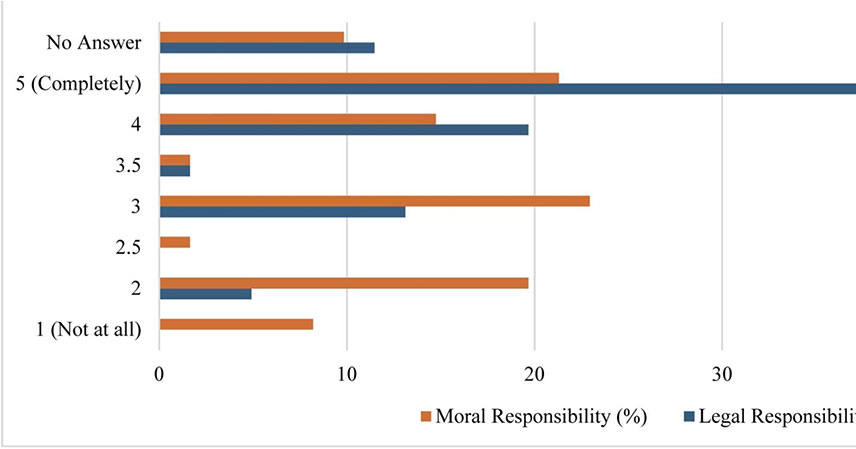
A groundbreaking new study has shed critical light on a significant issue within our legal system. It identifies substantial gaps in judges’ understanding of Autism Spectrum Disorder (ASD). This lack of specialized knowledge, researchers suggest, can lead to profound inequities. Individuals with ASD may face unfair treatment in various legal settings.
The implications of these findings are far-reaching. They touch upon the very principles of fair trial and equal protection under the law. The study not only highlights these shortcomings but also proposes concrete remedies. These recommendations aim to foster a more just and informed judicial process for neurodivergent individuals.
Unveiling the Knowledge Deficit in Our Courts 🧠
The research paints a clear picture. Many judges may lack comprehensive knowledge about ASD. This includes its diverse manifestations and common behavioral traits. Autism is a complex neurodevelopmental condition. It affects communication, social interaction, and behavior. Its presentation varies significantly among individuals.
For instance, an individual with ASD might avoid eye contact. This behavior is often misinterpreted. In a courtroom, it could be seen as evasiveness or dishonesty. Similarly, repetitive behaviors, known as stimming, might be misconstrued. They could be perceived as defiance or disrespect. These misunderstandings can severely prejudice a case.
The study suggests that these knowledge gaps are not intentional. Rather, they stem from a lack of specific training. The legal curriculum typically does not cover neurodevelopmental disorders in depth. This oversight creates a systemic vulnerability. It impacts those who interact with the justice system while having ASD.
The Ripple Effect: How Misunderstanding Impacts Legal Outcomes ⚖️
The consequences of judicial misunderstanding are profound. They can affect every stage of the legal process. From initial police interactions to sentencing, fairness can be compromised. For example, a person with ASD might struggle to understand complex legal questions. They may have difficulty expressing themselves clearly.
This can lead to inaccurate testimony. It could also result in an inability to properly defend oneself. The study indicates that such individuals may be more vulnerable. They might face wrongful convictions or harsher sentences. This is not due to guilt, but due to a disability-related communication barrier.
Moreover, the need for appropriate accommodations is often overlooked. Individuals with ASD may require specific support. This could include quiet environments or simplified language. Without these, their ability to participate effectively is diminished. The current system, without this awareness, may perpetuate systemic biases. It inadvertently disadvantages a vulnerable population.
A lack of empathy or understanding can also affect decisions. This applies to bail hearings and probation terms. Judges might not grasp the challenges. These challenges include sensory sensitivities or executive function difficulties. Such an oversight can lead to inappropriate legal mandates. These mandates may be impossible for an individual with ASD to meet.
Paving the Way Forward: Recommended Remedies and Training 🛠️
Crucially, the study does not just identify problems. It also offers a roadmap for improvement. The researchers advocate for mandatory, specialized training for judges. This training would focus on the nuances of ASD. It would cover communication styles, social cues, and common challenges faced by individuals with autism.
Such educational initiatives could transform judicial practice. They would equip judges with the tools needed for informed decision-making. The training could involve real-life case studies. It might also include input from individuals with ASD and their advocates. This would provide invaluable first-hand perspectives.
Beyond training, the study also suggests systemic changes. These could include protocols for identifying ASD in defendants. It might also involve ensuring access to expert witnesses. These experts could explain the impact of ASD in court. Implementing these recommendations would foster a more inclusive legal environment. It would ensure that justice is truly blind, and not just to social status.
The goal is to create a legal system that understands neurodiversity. It should adapt to meet the needs of all its participants. This includes those with ASD. These reforms are not merely about compliance. They are about upholding fundamental human rights. They are about ensuring equitable treatment for everyone.
Key Insights 💡
- Judicial Knowledge Gaps: A new study reveals judges often lack sufficient understanding of Autism Spectrum Disorder (ASD), impacting legal fairness.
- Impact on Justice: Misinterpretations of ASD behaviors can lead to wrongful assumptions, harsher sentences, and inadequate accommodations for individuals with autism in court.
- Proposed Solutions: Researchers recommend mandatory, specialized training for judges on ASD and systemic reforms to ensure a more equitable and informed legal process.
- Neurodiversity Inclusion: Addressing these gaps is crucial for fostering a legal system that respects and accommodates neurodiversity, upholding principles of universal justice.
In conclusion, the findings of this study are a call to action. They highlight an urgent need for reform. Our legal system must evolve to better serve all members of society. This includes individuals with Autism Spectrum Disorder. By investing in judicial education and systemic adjustments, we can move towards a more equitable and understanding justice system for everyone.
Source: California state court judges found to have gaps in their understanding of autism