A monumental stride in space exploration is underway at Kennedy Space Center. NASA’s Space Launch System (SLS) rocket, poised to carry four astronauts on a historic journey around the Moon, is making its grand debut. This colossal vehicle recently emerged from its assembly building. It began a slow, deliberate crawl to its seaside launch pad.
This event, taking place on Florida’s Space Coast, is more than just a logistical maneuver. It symbolizes a new chapter in human spaceflight. The massive rocket and its mobile launch platform are riding atop one of NASA’s iconic diesel-powered crawler transporters. This vehicle is certified as the world’s heaviest self-propelled machine. Its journey of approximately four miles to Launch Complex 39B is expected to take eight to ten hours. Every inch covered marks progress towards an ambitious goal.
The Artemis Program: A New Era of Lunar Exploration 🚀
The rollout for Artemis II represents a critical milestone for NASA’s broader Artemis program. This ambitious initiative aims to establish a sustainable human presence on the Moon. It contrasts sharply with the ‘flag and footprints’ approach of the Apollo missions. Artemis seeks long-term lunar habitation and scientific research. It views the Moon as a crucial stepping stone for future deep space endeavors.
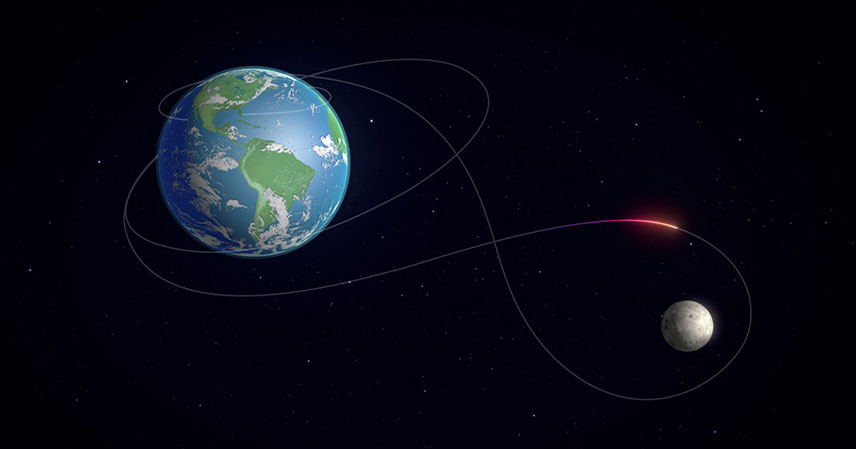
Artemis II itself is the first human voyage to the vicinity of the Moon since Apollo 17 in December 1972. It will not land on the lunar surface. Instead, its four-person crew will travel around the far side of the Moon. They will venture thousands of miles beyond, setting a new record. This will be the farthest humans have ever traveled from Earth. This mission is vital for testing the Orion spacecraft and the SLS rocket’s capabilities in deep space before a crewed lunar landing.
Engineering Marvels: Powering Humanity’s Return to the Moon 🛠️
At the heart of the Artemis II mission lies the formidable Space Launch System (SLS) rocket. This is NASA’s most powerful rocket ever built. It is designed to send the Orion spacecraft and its crew far beyond Earth orbit. The SLS represents years of dedicated engineering and development. Its immense thrust is necessary to escape Earth’s gravity and propel a crewed vehicle towards the Moon.
Equally impressive is the crawler transporter, a true titan of terrestrial engineering. This tracked vehicle is responsible for moving the fully assembled SLS rocket and its mobile launch platform. It weighs millions of pounds. Its slow, deliberate pace ensures the delicate cargo reaches the launch pad safely. The crawler’s journey is a spectacle in itself. It highlights the incredible scale of operations required for human spaceflight. These technological achievements are foundational to our return to the Moon.
Artemis II: Beyond the Farthest Frontier 🌌
The Artemis II mission is more than just a repeat of past lunar flybys. It is a critical test flight. The four astronauts aboard the Orion capsule will perform complex maneuvers in lunar orbit. They will test life support systems. They will also evaluate communication systems at extreme distances. This mission pushes the boundaries of human endurance and technological capability. It prepares us for even more challenging endeavors.
By traveling several thousand miles beyond the Moon’s far side, the crew will experience conditions unprecedented for humans. This journey will provide invaluable data. It will inform future missions, including Artemis III, which aims to land astronauts on the lunar South Pole. Artemis II is not just about breaking records. It’s about validating the systems and procedures necessary for long-duration deep space missions. It sets the stage for a sustained human presence beyond Earth.
Key Insights: Charting the Course for Deep Space Exploration ✨
- Historical Significance: Artemis II marks the first human voyage to the Moon’s vicinity in over five decades, reigniting a new era of lunar exploration and human ambition.
- Technological Prowess: The mission showcases the immense capabilities of the Space Launch System (SLS) rocket and the Orion spacecraft, critical for future deep space endeavors.
- Record-Breaking Journey: The crew will travel farther from Earth than any humans before, pushing the boundaries of exploration and testing vital systems in unprecedented conditions.
- Foundation for Future Missions: Artemis II is a crucial precursor to crewed lunar landings and the establishment of a sustainable human presence on the Moon, paving the way for eventual Mars missions.
- Inspiration and Innovation: This mission inspires a new generation and drives innovation in science, technology, engineering, and mathematics across the globe.
The Dawn of a New Space Age 🚀
The rollout of the SLS rocket for Artemis II is a powerful visual reminder of humanity’s enduring quest to explore. It signifies more than just a rocket moving across a landscape. It represents a collective step forward. It is a commitment to pushing the boundaries of what is possible. The Artemis program is not merely about returning to the Moon. It’s about building a sustainable future in space.
This mission will provide invaluable data and experience. It will prepare us for even greater challenges. The journey around the Moon is a crucial stepping stone. It leads to a permanent lunar base and eventually, human missions to Mars. The world watches as NASA and its partners embark on this thrilling new chapter. The dawn of a new space age is upon us, filled with unprecedented opportunities for discovery and human achievement.
Source: Managers on alert for “launch fever” as pressure builds for NASA’s Moon mission