NASA’s ambitious Artemis II mission has hit an unexpected snag. Just a day after expressing optimism for an imminent launch, the space agency announced a significant setback. A technical issue will now require the massive Space Launch System (SLS) rocket to be returned to the Vehicle Assembly Building (VAB). This development pushes back the highly anticipated crewed lunar flyby.
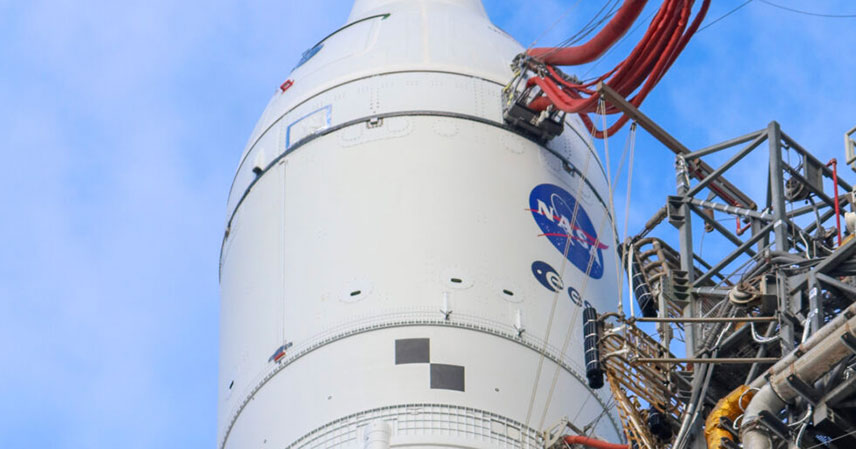
The problem surfaced late Friday evening. Data indicated an interruption in the helium flow within the SLS rocket’s upper stage. This critical system ensures proper functionality during launch. NASA Administrator Jared Isaacman shared the news on X, detailing the necessary steps. Engineers are currently investigating the root cause. However, any required repairs must occur inside the VAB. This necessitates the immediate rollback of the 322-foot-tall rocket from Launch Complex 39B.
The Artemis II Mission: A Critical Stepping Stone 🚀
Artemis II represents a pivotal moment for NASA. It is designed as a crewed test flight around the Moon. This mission will pave the way for future lunar landings. Four astronauts are slated to embark on this historic journey. Their mission is to verify the Orion spacecraft’s systems. They will also test critical operational procedures in deep space. This includes life support and communication systems. The success of Artemis II is fundamental. It directly influences the timeline for Artemis III, which aims to return humans to the lunar surface.
The entire Artemis program seeks to establish a long-term human presence on and around the Moon. It also serves as a proving ground for future missions to Mars. Each mission builds upon the last. Artemis II is therefore more than just a flight. It is a vital validation step. Any delay impacts the broader strategic goals of human space exploration. NASA’s commitment to safety remains paramount. This commitment often involves thorough, time-consuming checks and repairs.
Unpacking the Technical Glitch: Helium Flow Interruption 🛠️
The detected issue involves an interruption in helium flow. Specifically, this occurred in the upper stage of the Space Launch System rocket. Helium plays a crucial role in rocket operations. It is used to pressurize propellant tanks. This ensures a steady flow of fuel and oxidizer to the engines. It also helps in purging lines. A disruption in this system can compromise engine performance. It can also pose significant safety risks. Such issues require immediate attention and thorough investigation.
The SLS is an incredibly complex machine. It is the most powerful rocket ever built. Its intricate systems must function flawlessly. Even a minor anomaly can have major consequences. NASA engineers are now meticulously examining the data. They seek to understand why the helium flow was interrupted. This diagnostic process is exhaustive. It involves reviewing vast amounts of telemetry data. Identifying the exact cause is the first step. Then, a precise repair plan can be formulated. The decision to roll back the rocket underscores the severity of the issue. It also highlights NASA’s rigorous safety protocols.
The Rollback: A Necessary but Time-Consuming Maneuver ⏳
The rollback operation itself is a monumental task. The SLS rocket, along with its mobile launch platform, will be moved. It will travel approximately four miles. NASA’s massive crawler-transporter will facilitate this journey. This vehicle is one of the largest self-powered land vehicles in the world. It slowly transports the entire stack. The journey from Launch Complex 39B back to the Vehicle Assembly Building is slow. It can take many hours. This delicate operation requires immense precision. It ensures the integrity of the rocket. Once inside the VAB, engineers can safely access the rocket’s upper stage. This allows for detailed inspection and necessary repairs.
This process adds considerable time to the mission schedule. Preparation for rollback takes days. The transport itself consumes a full day. Repairs inside the VAB could take weeks or even months. After repairs, extensive re-testing is mandatory. The rocket must then be rolled out to the pad again. This is followed by another round of pre-launch checks. Each step demands careful execution. The entire sequence emphasizes the challenges inherent in launching human spaceflight missions. Delays, while frustrating, are often unavoidable. They prioritize crew safety and mission success above all else.
Implications for NASA’s Lunar Ambitions ✨
This latest delay will undoubtedly impact the Artemis II launch window. The initial optimism for a launch next month has now faded. While no new timeline has been announced, a significant postponement is expected. Such delays can have ripple effects throughout the entire Artemis program. Future missions, like Artemis III, might also experience schedule adjustments. Maintaining momentum is critical for large-scale space programs. However, technical readiness always takes precedence. NASA operates with an abundance of caution. This approach has served human spaceflight well for decades.
The public and international partners watch these developments closely. While frustrating, these challenges are part of pioneering space exploration. NASA’s transparency in addressing these issues builds trust. It reinforces their commitment to a safe return to the Moon. The agency’s resilience in overcoming technical hurdles is well-documented, especially as the global landscape shifts toward allies prioritizing sovereign launch capabilities. Engineers and ground teams are working tirelessly. Their goal is to resolve the issue efficiently. The ultimate aim remains clear: to safely launch Artemis II.
Key Insights 💡
- The Artemis II mission faces a delay due to a helium flow interruption in the SLS rocket’s upper stage.
- The SLS rocket must be rolled back to the Vehicle Assembly Building (VAB) for inspection and repairs.
- Helium is crucial for pressurizing propellant tanks, making this a critical system failure.
- The rollback process is a complex and time-consuming operation, adding weeks or months to the launch schedule.
- This delay underscores the inherent challenges and meticulous safety protocols involved in human spaceflight.
- Despite the setback, NASA remains committed to the Artemis program’s long-term goals of lunar exploration.
Source: NASA says it needs to haul the Artemis II rocket back to the hangar for repairs