
Apple has once again sent ripples through the tech industry. The announcement of its new budget MacBook, dubbed the MacBook Neo, at an astonishing $599, marks a significant moment. This aggressive pricing strategy positions Apple directly against a burgeoning market of affordable Windows laptops. While initial performance benchmarks and real-world battery life remain to be thoroughly tested, the specifications alone suggest a formidable competitor. This move by Apple is not just about a new product; it’s about redefining expectations for budget computing. We will explore the strengths and weaknesses of the MacBook Neo. We will also examine its key Windows rivals, offering a comprehensive analysis for potential buyers.
The MacBook Neo’s Ambitious Entry 🍏
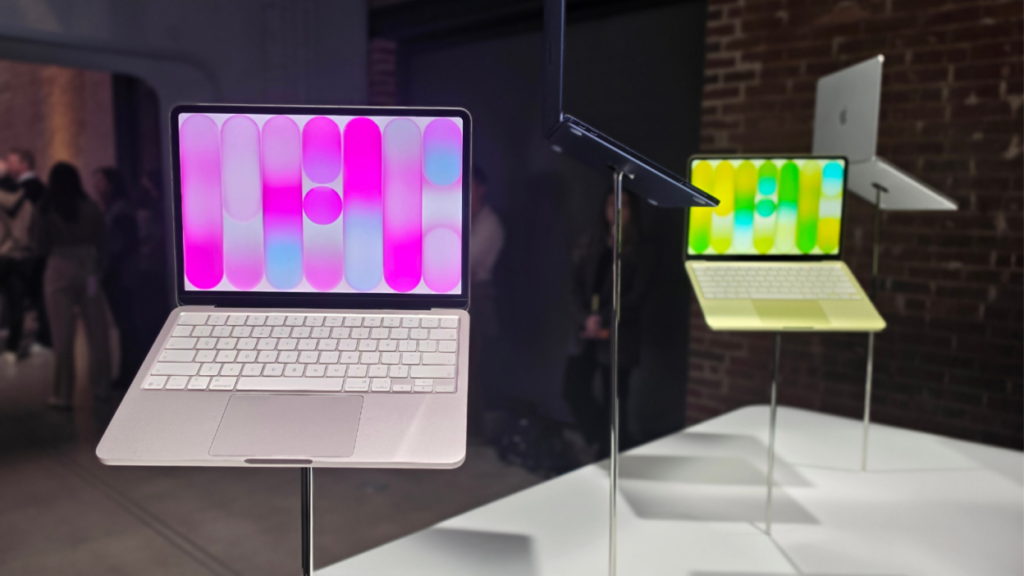
Apple’s entry into the sub-$600 laptop market with the MacBook Neo is a strategic masterstroke. This price point, previously unthinkable for a new Apple laptop, opens up a vast new customer base. It targets students, casual users, and those seeking a reliable secondary device. The Neo’s $599 price tag immediately sets a high bar for its rivals. It promises Apple’s signature build quality and ecosystem integration. While specific details on its processor are pending, it’s almost certainly an Apple Silicon chip. This ensures seamless performance within the macOS environment. Apple’s control over both hardware and software is a significant advantage. It allows for unparalleled optimization and efficiency.
One of the rumored standout features is its display. Apple suggests the MacBook Neo can reach 500 nits of brightness. This specification alone hints at a vibrant and clear visual experience. It would likely surpass many budget Windows alternatives. The trackpad is another area where Apple traditionally excels. Even with a mechanical trackpad, rather than the haptic feedback found in higher-end MacBooks, it is expected to offer superior precision and smoothness. These elements are crucial for user experience. They often differentiate a good laptop from a great one.
However, the starting configuration might include just 8 GB of RAM and 256 GB of storage. This could be a limiting factor for some users. Furthermore, its support for only one external display may constrain certain professional setups. Apple is clearly making calculated trade-offs to hit this price point.
Windows Contenders: Asus Vivobook 14 💻
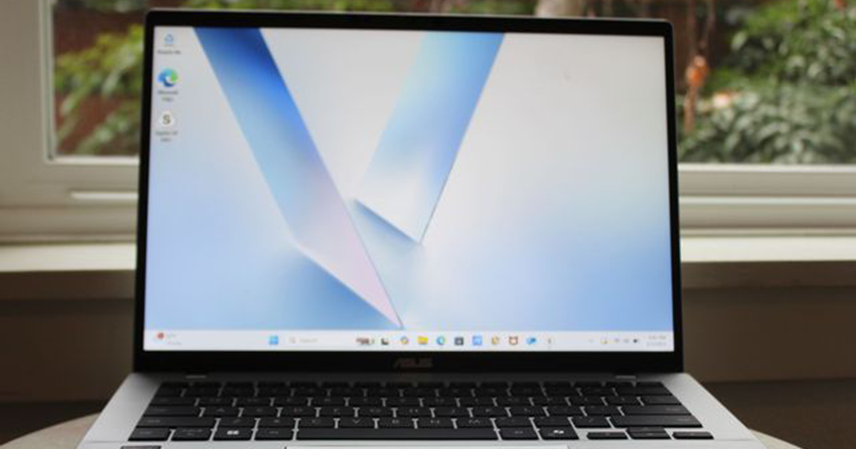
The Windows ecosystem has not been idle. Laptops like the Asus Vivobook 14 demonstrate robust competition in the budget segment. This particular model has been a consistent recommendation for its value. It leverages a highly efficient ARM chip, the Qualcomm Snapdragon X. This processor delivers excellent battery life. It also handles daily computing tasks with admirable speed. The Vivobook 14 provides a compelling alternative to the MacBook Neo.
Currently on sale for $539, the Vivobook 14 offers a strong specification package. It boasts 16 GB of RAM and 512 GB of storage. This is double the starting configuration of the MacBook Neo. Such generous memory and storage are a significant advantage for multitasking and data-intensive users. Furthermore, its connectivity options are more versatile. It includes HDMI, two USB-A ports, one USB-C, and a headphone jack. Crucially, it supports two external displays. This capability is a definite edge over the MacBook Neo’s single-display limitation. For users needing an expanded workspace, this feature is invaluable.
However, the Vivobook 14 does have its compromises. Its display, while functional, is a clear step down. It is less sharp and covers a larger screen. Color performance is not its strong suit. The brightness maxes out at 280 nits, significantly lower than the Neo’s promised 500 nits. This difference will impact visual clarity and outdoor usability. The touchpad also feels less refined. It is somewhat clunky compared to Apple’s renowned trackpads. These trade-offs highlight the ongoing challenge for Windows manufacturers. They must balance aggressive pricing with premium features.
The HP OmniBook 5: OLED at a Bargain 🌟
Another strong contender in the budget Windows space is the HP OmniBook 5. It is currently available for an attractive $500. This laptop shares the same efficient Qualcomm Snapdragon X chip. This ensures a similar level of performance and battery longevity as the Vivobook 14. What truly sets the OmniBook 5 apart, however, is its display technology. It features an OLED panel. This is a remarkable inclusion at this price point.
An OLED display offers vastly superior color performance and contrast. Blacks are deeper and colors are more vibrant. This creates a visually stunning experience for media consumption and creative work. While its brightness might not exceed the Vivobook 14’s 280 nits, the inherent quality of OLED makes a significant difference. For users prioritizing visual fidelity, the OmniBook 5 presents an incredibly compelling option. Its physical design is also noteworthy. The OmniBook 5 is incredibly thin, measuring just 0.50 inches thick. This matches the MacBook Neo’s expected portability. It makes it an excellent choice for users on the go.
The primary trade-off for the OmniBook 5 lies in its storage. It comes with only 256 GB. This matches the Neo’s entry-level configuration. While sufficient for many, it might require cloud storage or external drives for users with larger file libraries. The HP OmniBook 5 carves out a niche. It offers premium display technology in a highly portable, budget-friendly package. It forces consumers to weigh display quality against storage capacity and other features.
Market Implications and the ARM Revolution 🚀
Apple’s entry with the MacBook Neo signals a significant shift. It validates the growing importance of the budget laptop segment. It also highlights the power of ARM-based processors. Qualcomm’s Snapdragon X series is now a formidable force. These chips offer efficiency and performance previously unattainable in this price bracket. The competitive landscape is becoming incredibly dynamic. Consumers now have more choices than ever before.
This new wave of affordable, high-performing laptops challenges traditional perceptions. Budget devices no longer mean significant compromises. Users can expect good battery life and responsive performance. The focus now shifts to specific feature sets. Do you prioritize a superior display, extensive ports, or maximum portability? Apple’s move will likely spur further innovation. Windows manufacturers will be pushed to enhance their offerings. They must compete on features beyond just price.
The implications extend beyond just hardware. The rise of ARM on Windows necessitates software optimization. Developers are increasingly adapting their applications for these efficient architectures. This ensures a smoother user experience across both macOS and Windows ARM devices. For consumers, this means a more mature and robust ARM ecosystem. The battle for the budget laptop crown is heating up. It benefits everyone looking for powerful yet affordable computing.
Key Insights: Navigating the Budget Laptop Landscape 💡
- The MacBook Neo at $599 is a game-changer. It offers Apple’s ecosystem and premium features at an unprecedented price point. Its display and trackpad are likely standout features.
- Windows alternatives like the Asus Vivobook 14 deliver exceptional value. They provide more RAM, storage, and port versatility for a similar or lower cost. Its multi-display support is a key advantage.
- The HP OmniBook 5 introduces OLED display technology to the budget segment. This offers superior visual fidelity and contrast, making it ideal for media consumption. It also boasts impressive portability.
- The rise of ARM-based processors (Apple Silicon, Snapdragon X) is redefining budget laptop performance. These chips offer excellent battery life and efficiency. They are driving intense competition.
- Consumers must prioritize their needs: display quality, storage, RAM, port selection, or ecosystem. Each budget laptop offers a unique combination of strengths and trade-offs.
The budget laptop market has never been more exciting. Apple’s MacBook Neo has ignited a new era of competition. It forces both Apple and Windows manufacturers to innovate rapidly. Consumers are the ultimate winners in this scenario. They now have access to powerful, efficient, and well-designed laptops at prices that were unimaginable just a few years ago. This technology is vital for creatives and artists documenting legacies, as the decision now rests on individual priorities. Whether it’s the premium Apple experience or the versatile Windows ecosystem, compelling choices abound. The future of affordable computing looks incredibly bright.
Source: These $500 Windows Laptops Show the MacBook Neo’s Competition