
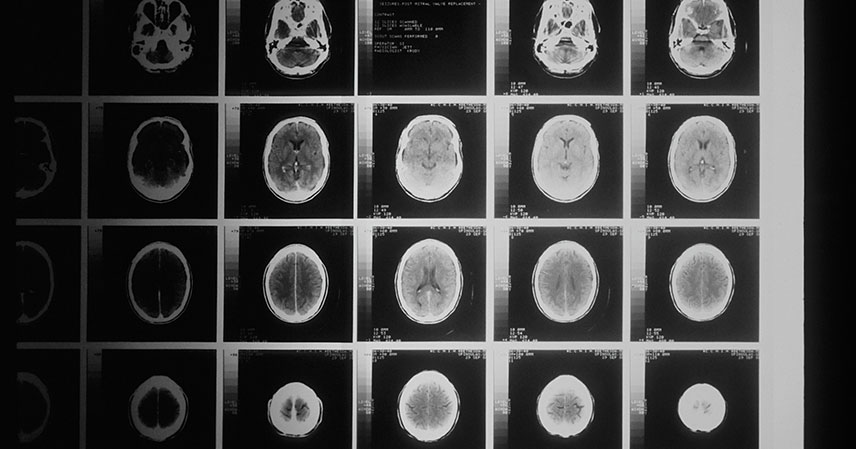
Groundbreaking research from a recent clinical trial offers a beacon of hope for individuals battling recurrent Grade 3 Astrocytoma. This aggressive form of brain cancer has long presented significant challenges for medical professionals and patients alike. The study, which included participation from the esteemed Huntsman Cancer Institute at the University of Utah, revealed a promising new development.
Researchers found that a novel combination treatment plan significantly improved the overall survival rates for patients. This finding marks a crucial step forward in the ongoing fight against this devastating disease. It underscores the power of collaborative research and innovative therapeutic strategies.
Understanding Grade 3 Astrocytoma: A Formidable Foe 🧠
Astrocytomas are a type of brain tumor that originates from astrocytes, which are star-shaped glial cells in the brain and spinal cord. Grade 3 astrocytoma, specifically, is classified as an anaplastic astrocytoma. This designation indicates a more aggressive and faster-growing tumor compared to lower-grade astrocytomas. Its recurrent nature makes it particularly challenging to treat effectively.
Patients diagnosed with Grade 3 astrocytoma often face a difficult prognosis. Standard treatments typically involve a combination of surgery, radiation therapy, and chemotherapy. However, even with these interventions, recurrence is common. The aggressive biology of these tumors often leads to limited long-term survival. This highlights the urgent need for more effective therapeutic options.
The symptoms associated with these tumors can vary widely. They often depend on the tumor’s size and location within the brain. Common symptoms may include headaches, seizures, changes in personality, or neurological deficits. The impact on a patient’s quality of life can be profound, making any advancements in treatment incredibly valuable.
The Breakthrough Combination Therapy: What Does it Mean? ✨
The recent clinical trial investigated a new combination treatment plan. While specific details of the drugs involved are typically complex, the core principle often involves synergistic effects. This means that two or more treatments work better together than individually. The objective is to target cancer cells through multiple pathways, hindering their growth and spread more effectively.
For patients with recurrent Grade 3 astrocytoma, this new approach led to extended life. This outcome is a significant marker of success in oncology. Extending overall survival for patients with aggressive, recurrent cancers is a primary goal of clinical research. It offers precious additional time and improved quality of life.
The success of combination therapies often lies in their ability to overcome drug resistance. Cancer cells can adapt and develop resistance to single agents over time. By combining different mechanisms of action, the treatment can potentially outmaneuver these adaptive strategies. This makes the therapy more durable and effective in the long run.
This trial’s findings suggest a paradigm shift in managing these difficult-to-treat tumors. It moves beyond conventional single-agent or standard multi-modal approaches. The results provide a strong foundation for further research and potential changes in clinical practice guidelines.
Huntsman Cancer Institute’s Role and Broader Impact 🏥
The participation of Huntsman Cancer Institute (HCI) at the University of Utah in this trial is noteworthy. HCI is a National Cancer Institute-designated Comprehensive Cancer Center. This designation signifies its commitment to cutting-edge research, patient care, and community outreach. Their involvement underscores the rigorous nature and importance of this study.
Institutions like HCI are crucial to advancing cancer care. They provide the infrastructure and expertise necessary to conduct complex clinical trials. These trials are essential for testing new treatments and bringing them from the lab to patients. Their contribution to this particular trial highlights their ongoing dedication to finding solutions for challenging cancers.
For patients, the results offer renewed hope. While this is not a cure, it represents a significant step towards better managing recurrent Grade 3 astrocytoma. It may lead to longer, more meaningful lives for those affected. The findings provide a tangible path forward in a field where advancements are desperately needed.
Key Insights for Future Treatment Pathways 💡
- Extended Overall Survival: The new combination treatment plan demonstrated a significant increase in life expectancy for patients with recurring Grade 3 Astrocytoma. This is a critical metric in cancer research.
- Promise of Combination Therapy: The success highlights the potential of combining different therapeutic agents. This approach may offer enhanced efficacy and overcome resistance mechanisms compared to single treatments.
- Impact on Clinical Practice: These findings could influence future treatment protocols. They may lead to new standard-of-care options for this aggressive brain cancer.
- Continued Research Imperative: While promising, further studies are vital. These will help to fully understand the long-term benefits and potential side effects of the new therapy. They will also explore its applicability to a broader patient population.
- Collaboration is Key: The involvement of leading institutions like Huntsman Cancer Institute showcases the power of collaborative research. Such partnerships are essential for accelerating medical breakthroughs.
Source: Recent trial reveals promising therapy for aggressive brain cancer