
The global economy is grappling with a severe energy shock. A recent war with Iran has led to an unprecedented blockade in the Strait of Hormuz. This critical shipping lane is vital for global oil transit. The disruption has sent oil prices soaring.
Governments and industries worldwide are now confronting a new reality. Many are scrambling for strategic reserves. The question is not just how high prices will go. It is also about how long this volatility will persist.
The Strait of Hormuz: A Geopolitical Bottleneck and Its Economic Ripples 🌍
The Strait of Hormuz is one of the world’s most strategically important chokepoints. It connects the Persian Gulf to the open ocean. Approximately one-fifth of the world’s total petroleum consumption passes through this narrow waterway. A blockade here is not merely a regional issue; it is a global economic catastrophe in the making.
The recent conflict has turned this vital artery into a flashpoint. The immediate consequence has been a dramatic spike in crude oil prices. Within four weeks of the war’s onset, prices for jet fuel doubled from $70 a barrel. This sharp increase highlights the vulnerability of global supply chains. It underscores the profound impact of geopolitical instability on commodity markets. The ripple effects are already being felt far beyond the oil refining sector.
Airlines on High Alert: United’s Proactive Strategy and Industry Vulnerability ✈️
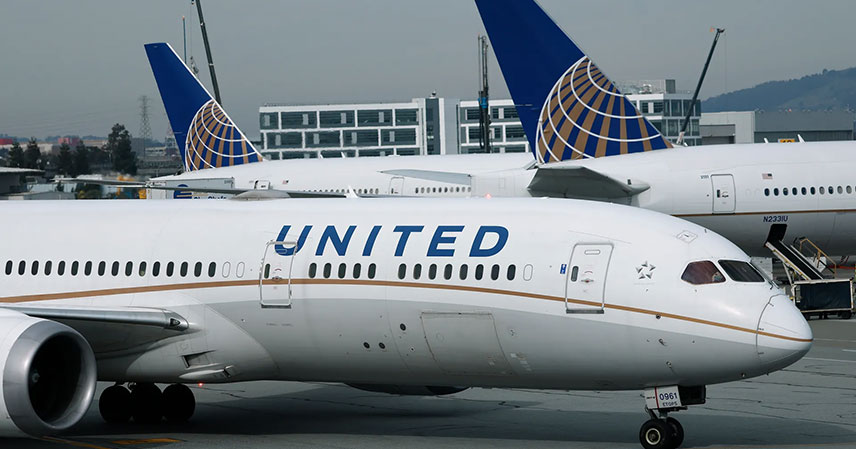
Airlines are particularly exposed to escalating fuel costs. Jet fuel typically accounts for between a quarter and a third of their total operating expenses. This makes them a critical “canary in the economic coal mine.” United Airlines CEO Scott Kirby recently issued a stark memo to his employees. He outlined the company’s preparations for a prolonged period of elevated oil prices.
Kirby’s projections are sobering. United’s plans assume oil could reach $175 per barrel. He anticipates prices will not return to $100 per barrel until the end of 2027. To mitigate this financial strain, United will implement significant capacity cuts. They plan to reduce their planned flight schedule by about 5% during the second and third quarters of this year.
These cuts will primarily target off-peak periods. Less popular travel days, such as Tuesdays, Wednesdays, and Saturdays, will see the most adjustments. Red-eye flights are also on the chopping block. United’s proactive measures are not isolated. American Airlines CEO Robert Isom revealed his company spent an additional $400 million on fuel recently. This demonstrates the immediate financial burden across the industry.
Airlines have reported strong demand recently. However, this might be travelers booking early to avoid future price hikes. The industry remains nimble. It is ready to adjust capacity further. This ensures supply and demand remain balanced amidst such volatile conditions.
Beyond the Runway: Broader Economic Headwinds and Recessionary Fears 📉
The energy shock extends far beyond the airline industry. It poses a significant threat to the broader global economy. Jason Miller, a professor of supply chain management at Michigan State University, emphasizes the timing. He notes this energy crisis is hitting at the “worst time possible.” The global economy is already contending with a sluggish job market. It is also shaken by the US’s erratic tariff regime.
Combine these factors with sustained high energy costs. Economists begin to voice concerns about a potential recession. The prolonged nature of the Iran war and the Hormuz crisis adds to this anxiety. Miller suggests Kirby’s memo is a clear acknowledgment. The Strait of Hormuz may not reopen for normal business anytime soon.
This prolonged uncertainty is a critical factor. Ahmed Abdelghany, who studies airline operations at Embry-Riddle Aeronautical University, concurs. He warns that extended periods of uncertainty compound the complexity for businesses. The longer this situation persists, the more problematic it becomes for airlines. This sentiment applies equally to countless other industries. Supply chains face immense pressure. Consumer confidence could erode rapidly. Inflationary pressures are likely to intensify across various sectors.
Key Insights ✨
- Geopolitical Risk Amplified: The Strait of Hormuz blockade vividly demonstrates how regional conflicts can trigger global economic crises, particularly in energy markets.
- Airline Industry as an Economic Barometer: Airlines, with their heavy reliance on refined petroleum, serve as an early warning system for broader economic distress. Their strategic adjustments signal deeper challenges.
- Prolonged Uncertainty is the New Normal: Industry leaders are planning for years, not months, of elevated energy costs and market volatility, demanding long-term strategic adaptations.
- Recessionary Pressures Mount: The energy shock, combined with existing economic vulnerabilities like a sluggish job market and trade tensions, significantly increases the risk of a global economic downturn.
- Consumer Impact: Travelers face higher ticket prices and fewer flight options. This could dampen overall demand and impact related sectors like tourism.
The current energy crisis, sparked by the Strait of Hormuz blockade, is a severe test for the global economy. United Airlines’ proactive stance offers a glimpse into the strategic thinking required in these turbulent times. Businesses must prepare for sustained high costs and market volatility. Consumers, too, will feel the pinch through rising prices and reduced services.
The intertwined nature of geopolitics and economics has never been clearer. Monitoring the situation in the Middle East remains paramount, as reflected in the media’s focus on the oil squeeze and rising tensions. Businesses need to diversify supply chains and explore alternative energy strategies. Governments must also consider their roles in stabilizing markets and supporting affected industries. The path ahead is uncertain, but preparation and adaptability will be key to navigating these unprecedented economic headwinds.