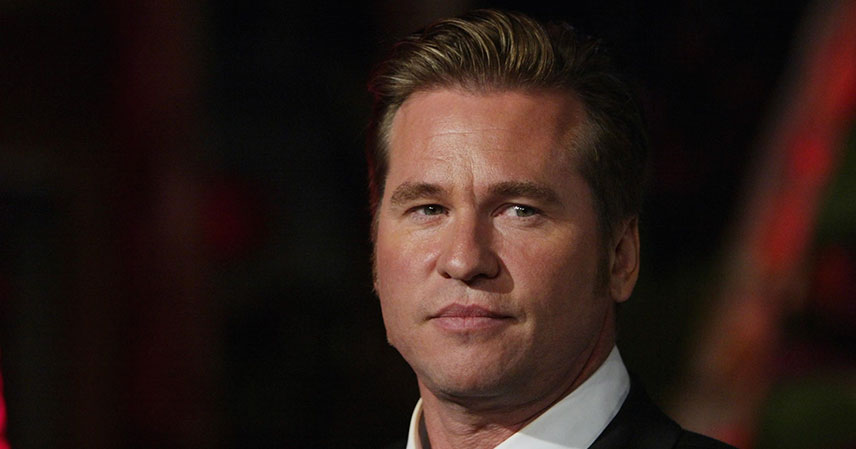
The entertainment industry stands at a pivotal crossroads. Artificial intelligence (AI) is rapidly blurring the lines between life and art. The recent announcement involving Val Kilmer is a stark example. Kilmer, who tragically passed last year at 65, is set to “star” in a new drama. This project, “As Deep As the Grave,” will leverage advanced AI technology. It will bring his likeness and voice back to the screen. This groundbreaking move highlights a growing trend. Hollywood is increasingly embracing digital resurrection. Previous instances include the recreation of Peter Cushing for *Rogue One*. Carrie Fisher also appeared posthumously in *Star Wars: The Rise of Skywalker*. These applications often spark intense debate. They raise fundamental questions about actor’s rights and creative control. The technology continues to evolve at an astonishing pace. It forces us to reconsider the boundaries of performance itself. Public reception to these digital performances is often mixed. It tests our perceptions of authenticity and legacy.
The Dawn of Digital Immortality: AI’s Expanding Footprint in Hollywood 🤖
The integration of advanced AI into filmmaking is not merely a novelty. It represents a profound shift in production capabilities. This technology allows creators to revisit historical figures. It also enables them to complete unfinished projects. The case of Val Kilmer is unique. He was attached to the project before his passing. This adds a layer of genuine artistic intent. The decision to proceed with AI support was made with his estate’s blessing. This crucial detail addresses many ethical concerns upfront. It underscores the importance of consent in this evolving landscape. Studios are now exploring these avenues more openly. They seek to push creative boundaries. However, they must also navigate the complex ethical waters. The future of celebrity endorsement and image rights is being redefined.
“As Deep As the Grave”: A Return to the 1920s and a Cherished Legacy 🎬
“As Deep As the Grave” is a compelling drama. It delves into the true stories of 1920s archeologists. Val Kilmer was deeply committed to this project. His attachment predates his battle with throat cancer. This illness tragically impacted his distinctive voice. The use of AI in this context is especially poignant. It offers a means to restore what was lost. Kilmer’s estate has provided unwavering support. This partnership is vital for the project’s integrity. It ensures a respectful homage to the actor’s memory. Kilmer’s vast filmography includes iconic roles. He captivated audiences as Iceman in *Top Gun*. He also brought a unique intensity to Batman. His presence and voice were central to his appeal. AI now aims to recreate these essential elements. The film seeks to honor his original creative vision. It simultaneously pushes the boundaries of cinematic possibility. This careful approach aims to preserve his artistic integrity. It ensures his final performance is a fitting tribute.
Navigating the Ethical Maze: Consent, Control, and Digital Rights 🤔
The digital resurrection of actors presents complex ethical challenges. At its core is the question of consent. Val Kilmer was attached to the project while alive. His estate’s approval is a key factor. This provides a clear ethical foundation. However, what about actors who did not give such consent? Future cases could become far more contentious. The concept of “digital immortality” raises concerns. It questions who truly owns an actor’s likeness. This includes their voice and performance style.
Legal frameworks are struggling to keep pace. Unions like SAG-AFTRA are actively engaging with these issues. They seek to protect performers’ rights. The potential for exploitation is significant. Clear guidelines are essential. They must govern the use of AI for posthumous performances. This ensures dignity and fair compensation. The rise of deepfake technology further complicates matters. It highlights the urgent need for robust legal protections. These protections must safeguard individuals against unauthorized digital replication.
The Shifting Sands of Storytelling: What Lies Ahead for Human Artistry? 🚀
The integration of AI technology into filmmaking signals a profound shift. It redefines what it means to be an actor. Will “digital doubles” become standard practice? Could they even replace living performers in certain roles? This technology offers exciting new creative avenues. Filmmakers can revisit historical figures with unprecedented realism. They can also complete projects left unfinished.
Yet, it also poses existential questions for the industry. What becomes of the human element? The raw emotion and spontaneity of live performance remain unique. Balancing technological innovation with artistic integrity is vital, especially when we consider the legal and ethical frameworks that must govern these advancements. The industry must navigate this carefully to ensure that storytelling remains deeply human. AI can be a tool, not a replacement, empowering creators to tell stories previously deemed impossible.
Key Insights 💡
- The use of AI technology to bring back Val Kilmer highlights a growing trend in Hollywood. It blurs the lines between life and digital representation.
- Kilmer’s estate support is crucial. It sets an important precedent for ethical AI use in posthumous performances.
- The technology raises significant ethical questions. These include consent, ownership of likeness, and the definition of an actor’s legacy.
- Legal and union frameworks must adapt quickly. They need to protect performers’ rights in the age of advanced AI.
- AI presents both opportunities and challenges. It offers new creative possibilities but also demands a re-evaluation of human artistry in film.
Source: Val Kilmer set to be be resurrected with AI for new film