
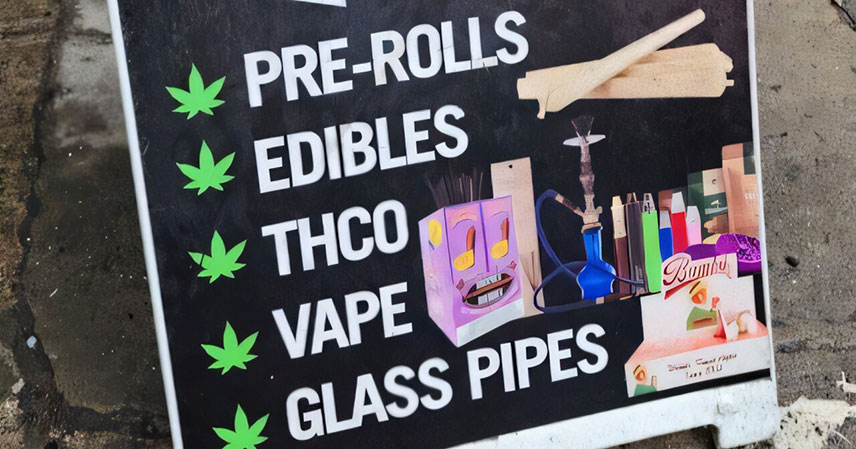
The landscape of cannabis products has seen significant shifts in recent years. Among these, products containing delta-8 THC have surged in popularity. Consumers can find them in various forms. These include gummies, brownies, vapes, pre-rolls, and tinctures. This rapid expansion has caught the attention of researchers and public health advocates alike.
A new study highlights significant concerns. Published in the Journal of Studies on Alcohol and Drugs, the research points to critical issues. These issues revolve around marketing practices and product safety. The study suggests a need for greater scrutiny. It underscores the challenges posed by this booming market segment.
The Delta-8 Phenomenon: Appeal and Ambiguity 🌿
Delta-8 tetrahydrocannabinol, or delta-8 THC, is a cannabinoid. It is an isomer of the more commonly known delta-9 THC. Delta-9 THC is the primary psychoactive compound in cannabis. Delta-8 THC offers a milder psychoactive experience. This characteristic has contributed to its widespread appeal. Many users seek its effects without the intensity often associated with delta-9.
The market for delta-8 THC products has exploded. This growth is partly due to its perceived legal status. Many products are marketed as ‘legal’ cannabis. This marketing often leverages a loophole in the 2018 Farm Bill. This bill federally legalized hemp and its derivatives. It specifies that delta-9 THC content must be below 0.3% by dry weight. Delta-8 THC, derived from hemp, often falls outside this specific restriction. This has created a gray area. Companies have quickly filled this void with diverse offerings.
The accessibility of these products is unprecedented. They are often available in places where traditional cannabis remains illegal. This includes convenience stores, gas stations, and online retailers. This broad availability further fuels their popularity. It also raises questions about consumer protection and regulatory oversight.
Study Reveals Stark Safety and Marketing Concerns ⚠️
The recent study in the Journal of Studies on Alcohol and Drugs sheds light on alarming trends. Researchers examined the current market for delta-8 THC products. Their findings highlight several critical deficiencies. These deficiencies pose risks to public health and safety. The study provides important insights into this unregulated sector.
A primary concern is the **youth-oriented packaging**. Many delta-8 products feature designs and flavors that appeal directly to younger individuals. Examples include brightly colored packaging and candy-like edibles. This marketing strategy is reminiscent of past controversies surrounding tobacco and vape products. It raises ethical questions. It also increases the risk of accidental consumption by minors.
Furthermore, the study found a severe lack of **clear and consistent cannabinoid-content labels**. Consumers often cannot determine the precise amount of delta-8 THC. They also lack information on other cannabinoids present. This makes accurate dosing impossible. It also prevents consumers from understanding potential interactions. This inconsistency can lead to unpredictable effects. It can also result in unintended overconsumption.
Crucially, health warnings are often absent. Products frequently lack vital information. This includes potential side effects, contraindications, or advice on safe usage. The absence of such warnings leaves consumers vulnerable. They may be unaware of the risks. This is particularly concerning for individuals with underlying health conditions. It also impacts those on other medications.
The Regulatory Void and Public Health Implications 🚨
The rapid proliferation of delta-8 THC products underscores a significant regulatory gap. The 2018 Farm Bill did not explicitly address delta-8 THC. This omission has created a legal loophole. This loophole allows manufacturers to operate with minimal oversight. Federal and state agencies are struggling to keep pace. The lack of clear guidelines permits a largely unregulated market.
This regulatory void has serious implications for public health. Without standardized testing, product purity cannot be guaranteed. Products may contain harmful contaminants. These include heavy metals, residual solvents, or unknown byproducts. These substances can arise from unregulated manufacturing processes. Such impurities pose significant health risks to consumers. These risks are currently unquantified.
Consumers face a dilemma. They cannot rely on consistent product quality or accurate information. This situation makes informed purchasing decisions nearly impossible. The potential for mislabeling is high. This can lead to unexpected potency or unwanted ingredients. This environment fosters consumer distrust. It also highlights the urgent need for action from policymakers. Clearer regulations are essential to protect the public. They would ensure product safety and transparency across the industry.
Key Insights for Consumers and Regulators 💡
- Delta-8’s Ambiguous Legal Status: The ‘legal’ status of delta-8 THC varies significantly. Some states have banned or restricted it. Other states have adopted a more hands-off approach. This patchwork of regulations creates confusion for consumers and businesses alike.
- Critical Labeling Deficiencies: Many delta-8 products lack accurate and consistent labeling. This includes cannabinoid content and crucial health warnings. Such deficiencies prevent consumers from making informed decisions. They also increase the risk of adverse health outcomes.
- Vulnerable Populations at Risk: The use of youth-oriented packaging and marketing tactics is particularly troubling. It increases the potential for exposure among minors. This demographic may not fully understand the product’s effects or risks.
- Urgent Need for Oversight: The study strongly suggests the need for robust regulatory frameworks. These frameworks should ensure product safety, accurate labeling, and responsible marketing. They would protect consumers and bring clarity to the market.
The rise of delta-8 THC presents a complex challenge. It blends consumer demand with a murky legal and regulatory environment. The findings from the Journal of Studies on Alcohol and Drugs serve as a vital warning. They highlight the urgent need for comprehensive action from both regulators and the industry, much like the legal and ethical frameworks needed for AI in medicine. Prioritizing public health and safety is paramount. Consumers must exercise extreme caution and policymakers must move swiftly to establish clear guidelines.
Source: Inconsistent labeling and high doses found in delta-8 THC products