An exciting development has emerged in the world of medical science. An international team recently unveiled the Human Organ Atlas. This new open-access 3D portal offers an unprecedented look inside the human body. It promises to transform our understanding of anatomy and disease.
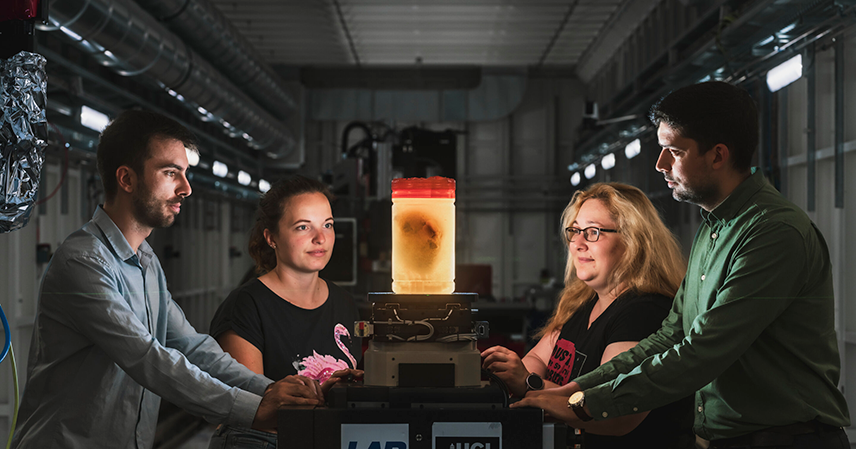
The atlas uses powerful synchrotron imaging. It creates highly detailed 3D images of intact human organs. Users can explore structures from a whole organ down to individual cells. This level of detail has never been publicly accessible before.
Unprecedented Detail: A New Frontier in Anatomical Understanding 🔬
The Human Organ Atlas represents a significant leap forward. It moves beyond traditional medical imaging techniques. Methods like MRI and CT scans provide valuable information. However, they often lack cellular-level resolution.
This new atlas employs a sophisticated synchrotron imaging method. This technique uses intense X-rays. It generates incredibly precise 3D data. The result is a virtual journey through organs like the brain, heart, lungs, kidney, and liver.
Imagine “flying through” a human kidney. You can observe its intricate network of tubules. Or explore the complex neuronal pathways of the brain. This portal makes such detailed exploration possible for everyone. It offers a truly immersive educational experience.
Researchers can now visualize disease progression at a microscopic level. This capability could unlock new insights. It may lead to better diagnostic tools. Ultimately, it could pave the way for more effective treatments.
Transforming Research, Education, and Clinical Practice 🌍
The implications of the Human Organ Atlas are vast. Its impact will resonate across multiple sectors. This innovative tool will empower diverse groups.
For scientists, the atlas offers a rich data source. They can study organ structures with unmatched clarity. This aids in understanding complex biological processes. It also supports the development of new therapies and drugs.
Clinicians stand to benefit greatly. Surgeons can prepare for complex procedures. They can visualize anatomical variations beforehand. This could potentially reduce risks and improve patient outcomes. The atlas also supports personalized medicine approaches.
Educators and students will find a powerful learning tool. Textbooks and static diagrams have limitations. The interactive 3D models bring anatomy to life. Students can explore organs at their own pace. This fosters deeper engagement and understanding.
Even the wider public gains valuable access. People can better understand their own bodies. They can learn about common diseases. This promotes general health literacy. It empowers individuals with knowledge.
The Promise of Open Access and Collaborative Science 🤝
A key feature of this initiative is its open-access nature. The Human Organ Atlas is freely available. This removes significant barriers to scientific progress. It allows researchers globally to utilize this resource.
This commitment to open science is crucial. It fosters collaboration among international teams. Scientists can share findings more readily. They can build upon each other’s work. This accelerates the pace of discovery significantly.
The atlas acts as a central repository. It aggregates some of the most detailed 3D images. This collective effort ensures broader utility. It maximizes the return on investment in advanced imaging technology.
Such platforms are vital for the future of medicine. They democratize access to cutting-edge data. This can inspire new research questions. It can also lead to unexpected breakthroughs. The potential for innovation is immense.
Key Insights into the Human Organ Atlas’s Impact ✨
- The Human Organ Atlas offers unprecedented visualization of human organs, from macro to cellular levels, using advanced synchrotron imaging.
- It serves as a transformative tool for scientific research, clinical diagnostics, surgical planning, and medical education worldwide.
- Its open-access nature fosters global collaboration, democratizes high-resolution anatomical data, and accelerates the pace of medical discovery.
- This initiative significantly enhances health literacy by providing the public with interactive and detailed insights into human anatomy and disease.
- The platform sets a new standard for digital anatomical atlases, paving the way for future advancements in personalized medicine and biomedical engineering.
The launch of the Human Organ Atlas marks a pivotal moment. It represents a new era in understanding the human body. This powerful resource will undoubtedly drive significant advancements, complementing other innovations like glowing dyes in surgery that enhance clinical precision. It will impact both scientific discovery and public health. We look forward to the innovations it will inspire. This project exemplifies the power of international cooperation and shows the impact of advanced technology.
Source: Open 3D Human Organ Atlas lets users explore anatomy in unprecedented detail