
In 1774, British physician-scientist Charles Blagden embarked on an extraordinary scientific endeavor. He accepted a peculiar invitation: to enter a room that was incredibly hot. Blagden documented the experience, noting it was “hotter… than it was formerly thought any living creature could bear.”
While many might have found this proposition daunting, Blagden embraced the chance for self-experimentation. He observed a fascinating phenomenon. His own internal temperature remained steadfast at 98° Fahrenheit (approximately 37° Celsius). This stability persisted even as the room’s ambient temperature soared to nearly 200°F (about 93°C). His findings were groundbreaking for the era.
The Blagden Experiment: A Glimpse into Biological Resilience 🌡️
Blagden’s courageous self-experiment provided early, tangible evidence of a remarkable biological capability. He demonstrated that certain organisms possess an intrinsic ability. This ability allows them to maintain a stable internal environment. This is true despite significant external temperature fluctuations.
His observations laid foundational groundwork. They hinted at complex physiological processes. These processes actively regulate internal conditions. For centuries, the idea that living beings could thrive in such extremes was perplexing. Blagden’s work offered a crucial first step in understanding this biological marvel.
His meticulous notes captured the essence of what we now call homeothermy. This term describes the capacity to regulate one’s body temperature. It involves a delicate balance of heat production and heat loss. This regulatory system is vital for survival in diverse environments.
Understanding Homeothermy: A Biological Masterpiece 🧬
Today, we know that homeothermy is a defining characteristic of many species. Mammals and birds, for instance, are classic examples. They employ sophisticated mechanisms to keep their core body temperature within a narrow range. This stability is crucial for their survival.
Maintaining a constant internal temperature offers significant evolutionary advantages. It allows enzymes to function optimally. Metabolic processes can proceed efficiently. This enables sustained activity levels, regardless of external conditions. Animals can hunt, forage, and reproduce effectively.
The mechanisms of homeothermy are diverse and intricate. They include shivering to generate heat. Sweating or panting helps to dissipate heat. Adjustments in blood flow to the skin also play a role. These adaptations are energy-intensive. Yet, they are essential for thriving across varied climates.
The Exceptions: When Nature Breaks the Rules 🦉
While homeothermy is widespread, nature also presents fascinating exceptions. Not all species adhere strictly to this rule. Some organisms exhibit remarkable flexibility in their thermal regulation. These species are known as heterotherms.
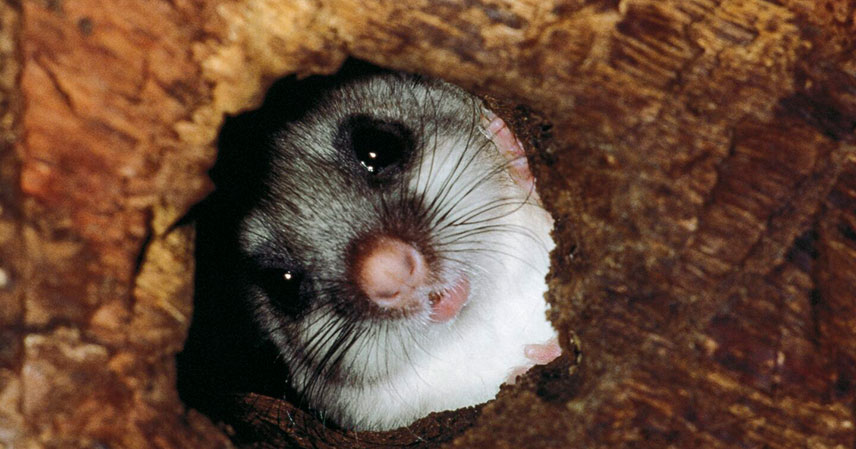
The fat-tailed dwarf lemur offers a prime example. Its body temperature can fluctuate dramatically. It may vary by nearly 45°F (25°C) over a single day. This incredible variability allows it to enter states of torpor or hibernation. These are survival strategies in harsh conditions.
Such temperature fluctuations are not random. They are controlled physiological responses. They enable significant energy conservation. These animals can reduce their metabolic rate. This helps them survive periods of food scarcity or extreme cold. It’s a testament to nature’s diverse adaptive genius.
Implications for Climate Change and Human Health 🌍
Understanding homeothermy and its variations has profound implications. It informs our knowledge of how species adapt to environmental changes. Climate change, for example, poses a significant threat. Rising global temperatures challenge the thermal limits of many organisms.
Species unable to adapt their thermoregulatory strategies face increased risk. This includes both homeothermic and heterothermic animals. Studying these mechanisms helps scientists predict species vulnerability. It also aids in conservation efforts. Protecting these intricate biological systems is paramount. For humans, thermoregulation is equally critical. Our ability to maintain core body temperature is vital for health. Extreme heat or cold can lead to serious medical conditions, which only adds to the psychological toll and public health challenges we face today. Research in this area contributes to better treatments and enhances strategies for human adaptation to environmental extremes.
Key Insights: Decoding Internal Temperature Control 💡
- Charles Blagden’s 1774 experiment was a pioneering demonstration of homeothermy, showing the body’s ability to maintain a stable internal temperature despite extreme external heat.
- Homeothermy, the maintenance of a stable core body temperature, is a complex physiological process. It provides significant evolutionary advantages, ensuring optimal metabolic function.
- Not all species are strict homeotherms. Heterothermic animals, like the fat-tailed dwarf lemur, exhibit controlled body temperature fluctuations. This allows them to conserve energy through torpor or hibernation.
- The study of thermal regulation is crucial. It helps us understand species resilience to climate change. It also informs medical advancements and human health strategies in diverse environments.
- Biological systems for temperature control are intricate. They highlight the diverse and powerful adaptive capabilities found across the tree of life.