
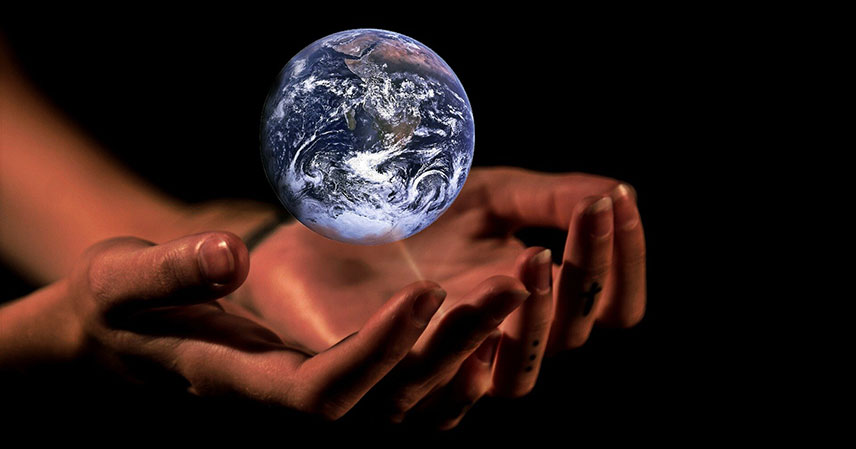
The innocence of childhood often shields young minds from the harsh realities of the world. However, for an increasing number of children, the looming shadow of climate change is becoming a deeply personal and often terrifying concern. This sentiment was starkly illustrated by a crayon drawing from researcher Maya Gislason’s young child.
The drawing depicted Earth in two states: vibrant blue and green in 2020, then a planet engulfed in flames by 2050. This poignant imagery led to a profound question from the child: “How old will I be when I die in 2050?” This anecdote underscores a growing phenomenon known as climate anxiety or eco-anxiety, particularly prevalent among younger generations.
The Emergence of Climate Anxiety in Young Minds 🌍
The raw honesty of a child’s question about their future in a changing world is incredibly powerful. It highlights how deeply environmental concerns can penetrate even the youngest consciousness. Children today are growing up with constant exposure to news and discussions about environmental degradation.
This exposure, combined with their innate sensitivity, often leads to feelings of helplessness and fear. Researchers have observed a significant rise in reports of anxiety, sadness, and even anger related to climate change among children and adolescents. These feelings are not merely fleeting worries but can impact their mental well-being over time.
The concept of eco-anxiety describes the chronic fear of environmental doom. For children, this fear can manifest as nightmares, difficulty concentrating, or a sense of impending catastrophe. It is a legitimate psychological response to a very real global threat.
Understanding the Public Health Dimension 🌱
Climate anxiety in children is not just an individual psychological issue; it represents a significant public health challenge. The mental health impacts of climate change are increasingly recognized by health organizations worldwide. These impacts extend beyond direct physical harm from extreme weather events.
The constant stress and worry about the future can have long-term effects on development and overall well-being. Public health experts are now grappling with how to support young people facing these existential concerns. It demands a multifaceted approach.
This includes understanding the psychological mechanisms at play and developing supportive interventions. The health of our planet is intrinsically linked to the health of its inhabitants. Therefore, addressing climate anxiety becomes a crucial component of broader public health strategies.
The societal implications are vast. A generation burdened by climate anxiety may face reduced resilience and increased mental health conditions. This could strain healthcare systems and social support networks in the years to come. Proactive measures are essential.
The Role of Science and Support Systems 🔬
Scientists and researchers like Maya Gislason play a critical role in bringing these issues to light. Their work helps us understand the depth and breadth of climate change’s impact on human well-being. This research is vital for informing policy and developing effective support systems.
It is important for adults, parents, and educators to create spaces where children can express their concerns safely. Open and honest conversations, tailored to a child’s age, can be incredibly beneficial. However, these conversations must also be balanced with hope and actionable solutions.
Empowering children with knowledge about climate solutions can help mitigate feelings of helplessness. Fostering a sense of agency, even through small actions, can be very therapeutic. Educational initiatives that focus on environmental stewardship are also key.
Furthermore, psychological support needs to be accessible for those children most affected. Therapists and counselors equipped to address eco-anxiety are becoming increasingly important. The goal is to help children navigate these complex emotions without succumbing to despair.
Key Insights 💡
- Climate anxiety is a growing and significant mental health concern for children and adolescents globally.
- Children’s direct questions about their future highlight their deep understanding and fear of environmental changes.
- The mental health impacts of climate change represent a crucial public health challenge requiring systemic solutions.
- Open dialogue, educational support, and fostering a sense of agency are vital in helping children cope.
- Research is essential for understanding and addressing the profound psychological effects of environmental degradation on young minds.
The crayon drawing of a planet on fire serves as a powerful reminder. It calls for immediate attention to the psychological toll of climate change on our youngest citizens. Ignoring their fears would be a disservice to their future. As responsible adults and journalists, we must continue to report on these critical developments. We must advocate for environments that foster both physical and mental well-being, especially as we uncover more about concerning links between environmental pollutants and long-term health. The challenge is significant, but so is our collective capacity to respond with empathy and action.
Source: More than eco-anxiety: Study exposes emotional fallout of climate crisis for youth