
Diabetic foot ulcers (DFUs) represent a significant and debilitating complication of diabetes. These chronic wounds are notoriously slow-healing. They dramatically increase the risk of severe infections. Ultimately, DFUs can lead to limb amputation.
The global impact of DFUs is profound. Millions of individuals worldwide suffer from these persistent lesions. The condition places immense strain on healthcare systems and diminishes patients’ quality of life.
However, recent findings from Karolinska Institutet offer a new perspective. Researchers have identified a specific circular RNA molecule. This molecule, named circMTRNR2, resides within cellular mitochondria. It appears to play a crucial role in the complex process of chronic wound healing.
This discovery, published in Advanced Science, suggests a novel pathway. It could potentially revolutionize our understanding and treatment of DFUs. The study highlights the intricate mechanisms governing cellular repair.
Understanding Diabetic Foot Ulcers: A Persistent Challenge 🩹
Diabetic foot ulcers are not merely surface wounds. They are a complex manifestation of underlying systemic issues. These include diabetic neuropathy, which causes nerve damage. This damage leads to a loss of sensation in the feet. Patients may not notice minor injuries.
Additionally, peripheral artery disease (PAD) is common in diabetic patients. PAD impairs blood flow to the extremities. Poor circulation deprives wounds of essential oxygen and nutrients. This significantly impedes the healing process.
Compromised immune function also plays a role. People with diabetes often have a weakened immune response. This makes them more susceptible to infections. Infections in DFUs can quickly become severe and difficult to manage.
The combination of these factors creates a challenging environment. Wounds struggle to close. They become chronic, leading to prolonged suffering and high healthcare costs. Current treatments focus on wound care, infection control, and offloading pressure.
The Mitochondrial Link: circMTRNR2 and Cellular Energy 🔬
The Karolinska Institutet study delved into the molecular intricacies of healing. Their focus was on a particular type of RNA. This is known as circular RNA (circRNA). Unlike linear RNA, circRNAs form a closed loop. This structure makes them more stable.
These molecules are increasingly recognized for their regulatory functions. They can influence gene expression. They also modulate various cellular processes. The researchers specifically looked at mitochondria.
Mitochondria are often called the “powerhouses of the cell.” They generate most of the cell’s supply of adenosine triphosphate (ATP). ATP is used as a source of chemical energy. This energy is vital for almost all cellular activities. Cell division, protein synthesis, and immune responses all depend on it.
The study identified circMTRNR2 within these crucial organelles. Researchers observed its presence in healthy tissues. More importantly, they noted its significant reduction in tissue samples. These samples came from patients with long-standing diabetic foot ulcers.
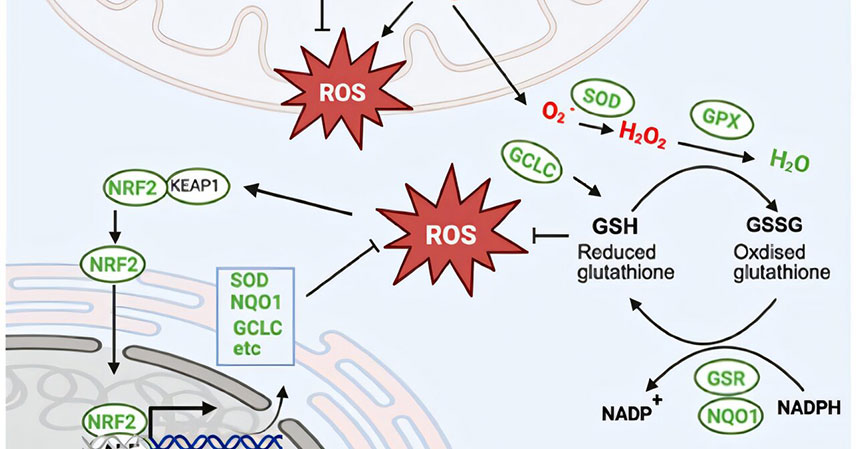
This reduction suggests a direct link. The molecule appears to be critical for the skin’s reparative capacity. Its primary function seems to involve protecting cellular energy metabolism. It shields it against harmful stress. This protection is vital for cells to function optimally. It allows them to repair damaged tissue effectively.
Implications for Treatment and Diagnosis: A Glimmer of Hope ✨
The discovery of circMTRNR2 opens several exciting avenues. One key implication relates to its potential as a diagnostic biomarker. If reduced levels of circMTRNR2 are consistently linked to chronic DFUs, it could serve as an early indicator. This might help identify patients at higher risk of non-healing wounds. It could also monitor treatment effectiveness.
Perhaps even more significant is its potential as a therapeutic target. The research suggests that circMTRNR2 supports cellular energy metabolism. This protection is crucial for healing. Therefore, strategies to upregulate or deliver circMTRNR2 could be explored. This could potentially enhance the skin’s natural repair mechanisms.
Imagine a future where a targeted therapy could boost this molecule. Such an intervention might accelerate wound closure. It could also reduce the incidence of amputations. This would represent a substantial advancement over current methods. Current approaches largely focus on managing symptoms rather than addressing underlying cellular deficiencies.
However, it is important to exercise caution. This is a foundational study. Further extensive research is necessary. Clinical trials would be required to validate these findings. They would also confirm the safety and efficacy of any potential therapies. Nevertheless, this discovery offers a promising new direction in the fight against diabetic foot ulcers.
Key Insights 💡
- Diabetic foot ulcers (DFUs) are severe, slow-healing wounds. They significantly increase infection and amputation risk.
- Researchers at Karolinska Institutet identified a circular RNA, circMTRNR2. This molecule is found within mitochondria.
- circMTRNR2 plays an important role in chronic wound healing. It supports the skin’s natural reparative capacity.
- The molecule protects cells’ energy metabolism from harmful stress. This is crucial for effective tissue repair.
- Levels of circMTRNR2 were found to be reduced in tissue from patients with long-standing DFUs.
- This discovery could lead to new diagnostic tools. It also presents a potential novel therapeutic target for DFUs.
This groundbreaking research sheds light on the complex molecular processes. These processes underpin chronic wound healing. While more studies are needed, the identification of circMTRNR2 offers a beacon of hope. It could pave the way for more effective treatments. Ultimately, it aims to improve outcomes for individuals suffering from diabetic foot ulcers.
Source: Mitochondrial RNA may contribute to improved wound healing in diabetes