
The alarming resurgence of measles in South Carolina is sending critical signals across the nation. What began as a handful of infections in October has rapidly escalated. As of February 3rd, the state has recorded 876 cases, with a staggering 700 reported since the start of the year. This outbreak highlights a deeply concerning trend.
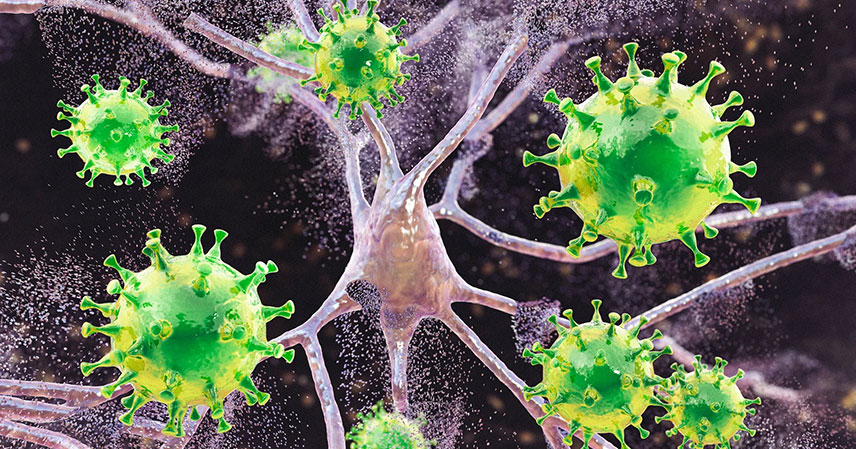
State epidemiologist Linda Bell delivered a sobering update this week. She confirmed that some affected children have developed encephalitis. This serious complication involves swelling of the brain. It underscores the severe, potentially life-altering risks associated with measles. This situation serves as a stark reminder of why robust vaccination efforts are paramount.
The Alarming Resurgence of Measles and its Immediate Dangers 🚨
South Carolina’s escalating measles outbreak is more than just a local crisis. It mirrors a worrying national pattern. The United States saw over 2,267 cases in 2025, marking the highest number in three decades. This resurgence is directly linked to declining vaccination rates across the country. The consequences are now tragically evident in South Carolina.
Encephalitis is a particularly grave complication. It means the brain becomes inflamed. This can lead to severe outcomes like convulsions, deafness, or intellectual disability in children. It typically manifests within 30 days of the initial measles infection. The virus can directly infect the brain, or an immune reaction can cause inflammation. Tragically, 10 to 15 percent of children who develop measles encephalitis do not survive.
While specific numbers of encephalitis cases in South Carolina are not publicly disclosed, the implications are profound. Dr. Bell emphasized the potential for long-term consequences. These include developmental delays and irreversible neurological impacts. Such outcomes can drastically alter a child’s life trajectory. They place immense burdens on families and healthcare systems.
Beyond encephalitis, other serious complications are also emerging. The state has recorded 19 measles-related hospitalizations. Some of these are due to pneumonia. Pneumonia affects about one in 20 children with measles. It is, in fact, the leading cause of death for children suffering from the disease. The virus also poses significant risks to pregnant women. Exposure can lead to preterm birth or miscarriage. This necessitates immediate administration of immune globulin for temporary protection.
Beyond the Initial Infection: Long-Term Shadows of Measles 🧠
The dangers of measles extend far beyond the initial illness. A particularly insidious complication is Subacute Sclerosing Panencephalitis (SSPE). This is a rarer form of brain swelling. It can emerge years, even decades, after a person has seemingly recovered from measles. SSPE is a progressive, fatal neurodegenerative disease. It offers no cure and is always deadly.
The tragic reality of SSPE was highlighted last September. The Los Angeles County Department of Public Health reported the death of a school-age child due to SSPE. This child had been infected with measles as an infant. They were too young to receive the first dose of the MMR vaccine. This dose is typically recommended between 12 and 15 months of age. The case underscores the vulnerability of unvaccinated infants.
After the initial measles illness, the virus can lie dormant in the brain. Years later, it reactivates. This triggers an inflammatory response that systematically destroys brain tissue. The condition usually appears seven to ten years post-infection. An estimated two in 10,000 people who contract measles will eventually develop SSPE. This delayed onset makes it a particularly terrifying prospect for those who have been infected.
The existence of SSPE adds another layer of urgency to measles prevention. It means that even a seemingly mild childhood measles case can harbor a devastating future threat. This long-term risk is often overlooked in discussions about vaccine hesitancy. It is a critical piece of information for parents and public health officials alike.
The Critical Role of Vaccination and Public Health Response 🛡️
Against the backdrop of these severe complications, the importance of vaccination cannot be overstated. The Measles, Mumps, and Rubella (MMR) vaccine remains the most effective defense. It prevents measles and its associated serious health issues. This public health cornerstone has dramatically reduced measles incidence for decades.
Encouragingly, South Carolina has seen a positive shift in vaccination efforts. This January, over 7,000 more doses of the MMR vaccine were administered statewide. This represents a significant 72 percent increase compared to January 2025. Spartanburg County, the epicenter of the current outbreak, showed an even more dramatic rise. Over 1,000 additional doses were given there, a 162 percent increase. Dr. Bell noted that January was the best month for measles vaccination during the entire outbreak period.
While these figures are a step in the right direction, they also highlight a critical need. The outbreak itself is a consequence of previously insufficient vaccination coverage. Sustained, high vaccination rates are essential. They create herd immunity. This protects not only vaccinated individuals but also those who cannot be vaccinated. This includes infants, immunocompromised individuals, and pregnant women. Public health campaigns must continue to educate and reassure communities about vaccine safety and efficacy.
The South Carolina Department of Public Health’s ongoing efforts are vital. Their monitoring and response are crucial. However, the ultimate success hinges on collective community action. Every vaccinated individual contributes to a stronger protective barrier. This protects the most vulnerable among us from preventable suffering and death. It is a shared responsibility to safeguard public health.
Key Insights for a Healthier Community ✨
- Measles is Far from Harmless: The ongoing South Carolina outbreak tragically demonstrates that measles can lead to severe, life-threatening complications like encephalitis and pneumonia, and even long-term devastating conditions like SSPE.
- Vaccination is the Gold Standard: The MMR vaccine offers robust protection against measles and its complications. Increased vaccination rates, as seen in South Carolina this January, are crucial for mitigating outbreaks and protecting vulnerable populations.
- Collective Responsibility is Key: High community vaccination rates (herd immunity) are essential. They protect infants too young to be vaccinated and individuals with compromised immune systems, emphasizing the societal benefit of individual vaccination choices.
- Awareness of Long-Term Risks: Understanding complications like SSPE, which can manifest years after initial infection, underscores the profound and lasting dangers of measles and the irreversible consequences it can inflict.
The South Carolina measles outbreak is a potent reminder of the fragility of public health achievements. It shows what happens when vaccine confidence eroding. The severe complications, from immediate brain swelling to delayed fatal neurological conditions, paint a grim picture. Yet, the path forward is clear. Widespread and sustained vaccination is our strongest defense. It is time for communities to rally, trust in science, and protect our children and our collective well-being from this preventable disease.
Source: Measles Is Causing Brain Swelling in Children in South Carolina