
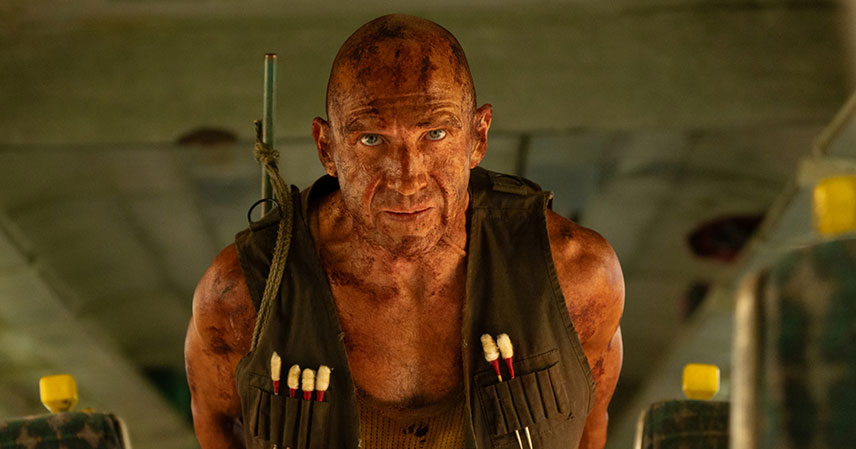
The cinematic landscape is rife with sequels, prequels, and reboots. Rarely, however, does a “fourquel” manage to eclipse its predecessors. Yet, this is precisely the remarkable feat achieved by “Bone Temple.” This latest installment in the iconic “28 Days Later” saga is being hailed as the franchise’s finest by a significant margin.
Originally conceived by the visionary duo Danny Boyle and Alex Garland in 2003, the “28 Days Later” series redefined the zombie genre. It introduced a terrifyingly fast, rage-fueled infected. Now, with Nia DaCosta taking the directorial reins, “Bone Temple” pushes the boundaries even further. It delivers an experience brimming with raw energy and profound drama.
A New Era of Intense Storytelling: The “Bone Temple” Phenomenon 🎬
“Bone Temple” plunges viewers into a post-apocalyptic world. Here, a “Clockwork-Orangey gang” confronts the infected. This premise alone signals a departure from conventional zombie narratives. The film immediately follows the events of “28 Years Later,” maintaining narrative continuity while forging its own path.
The film’s success largely hinges on its stellar cast. Ralph Fiennes and Jack O’Connell deliver performances of “pure death-metal craziness.” Their on-screen chemistry creates an exhilarating “intergenerational face-off.” This dynamic elevates the film beyond mere horror spectacle.
Fiennes, in particular, delivers a career-defining moment. His dance to Iron Maiden’s “The Number of the Beast” is described as extraordinary. It captivated audiences, sparking an almost primal reaction. This single scene showcases the film’s unique blend of intensity and audacious creativity. It demonstrates a fearless approach to character portrayal.
Nia DaCosta’s direction brings a fresh perspective to the established universe. She masterfully orchestrates the chaos. DaCosta ensures that the film retains the franchise’s brutal edge. At the same time, she injects it with a renewed sense of purpose and dramatic weight. This directorial vision is key to the film’s critical acclaim.
Beyond the Infected: Human Conflict Takes Center Stage 🧠
Perhaps the most significant innovation in “Bone Temple” is its radical approach to the zombies themselves. The raw text explicitly states that the infected are “almost entirely irrelevant” and kept “at a minimum.” This strategic choice is not a weakness; it is the film’s greatest strength. It allows for deeper thematic exploration.
By de-emphasizing the traditional zombie threat, the film shifts its focus. The true horror emerges from the conflict between sentient human beings. This move transforms the narrative from a simple survival story into a complex psychological thriller. It examines the darkest aspects of human nature under extreme duress.
The “always slightly dull business of zombieism” is deliberately sidelined. Instead, the film delves into moral ambiguities and power struggles. This decision forces characters and viewers alike to confront difficult questions. What truly defines humanity when society collapses? How do people retain their ethics in a world devoid of law?
Even the one “important zombie” in the film serves a unique purpose. This infected individual is undergoing a transformation. This suggests a more nuanced understanding of the virus itself. It hints at potential evolution or new forms of threat. This adds another layer of intrigue to the narrative, moving beyond simple mindless monsters.
This innovative storytelling choice has profound implications. It elevates “Bone Temple” from a mere genre film to a compelling drama. The film uses the post-apocalyptic setting as a backdrop. It then explores universal themes of survival, power, and the human condition. This makes it resonate far beyond typical horror fare.
The Enduring Legacy and Future of the “28” Franchise 📈
“Bone Temple” not only revitalizes a beloved franchise but also sets a new benchmark. It demonstrates that sequels can innovate rather than merely replicate. By pushing narrative boundaries, the film honors the original spirit of Danny Boyle and Alex Garland. It simultaneously carves out its own distinct identity.
The success of this “fourquel” challenges conventional wisdom about long-running series. It proves that creative risks can yield significant rewards. The focus on human drama over creature feature tropes offers a compelling blueprint. This approach could influence future installments within the “28” universe. It might also inspire other horror franchises.
What does this mean for the future of the “28” series? “Bone Temple” has opened up exciting possibilities. The emphasis on character-driven conflict and the nuanced portrayal of the infected could lead to more sophisticated narratives. Fans can anticipate stories that are both terrifying and deeply thought-provoking. The franchise appears to be entering its most exciting phase yet.
Key Insights ✨
- “Bone Temple” remarkably stands as the best film in the “28 Days Later” franchise, a rare achievement for a fourth installment.
- The film strategically de-emphasizes zombies, shifting its focus to intense human conflict and psychological drama, elevating the genre.
- Ralph Fiennes delivers an iconic, “death-metal crazy” performance, particularly his dance scene, which is a major highlight.
- Nia DaCosta’s direction brings a fresh, energetic perspective, skillfully balancing horror with profound character exploration.
- The film’s success demonstrates that creative innovation and a willingness to challenge genre conventions can revitalize long-running series.