
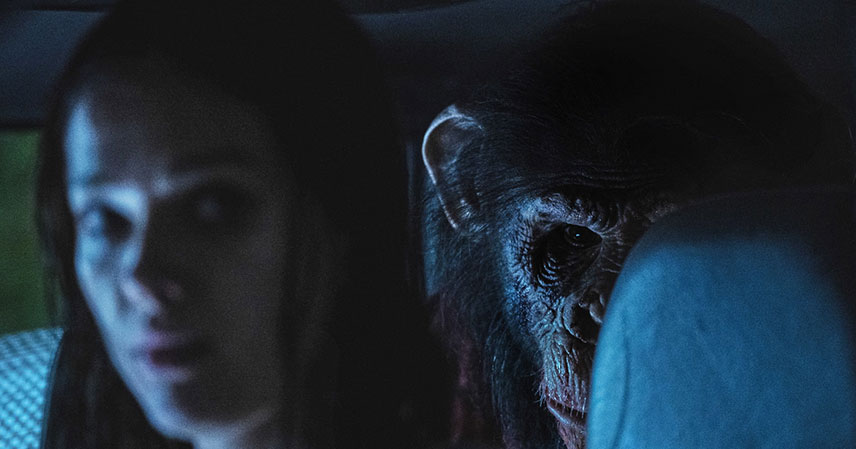
In an era often dominated by “elevated horror” and deep psychological thrillers, a new film emerges to challenge the status quo. Johannes Roberts’ “Primate” offers a stark, brutal, and refreshingly direct experience. It stands as a clear counterpoint to the trauma-heavy narratives prevalent in modern cinema. This creature feature delivers pure, unadulterated B-movie fun. It reminds audiences of the genre’s primal appeal.
The film distinguishes itself with a notable lack of subtext. It prioritizes immediate thrills over complex allegories. This approach is a deliberate departure from peers aiming for the gravitas of films like “Don’t Look Now.” Roberts instead embraces a straightforward, gory premise. He successfully crafts a contemporary spiritual successor to cult classics. His latest work is a welcome change of pace for horror enthusiasts.
The Resurgence of the Pure Creature Feature 🦍
For years, the horror genre has seen a significant shift. Many filmmakers have explored profound psychological themes. They often use horror as a vehicle for social commentary or personal trauma. While valuable, this trend can sometimes overshadow the genre’s simpler pleasures. “Primate” deliberately pivots away from this. It champions the visceral excitement of a well-executed monster movie. It’s a return to basics that many horror fans crave.
Roberts openly acknowledges inspiration from “Shakma,” a goofy 1990 schlocker. That film featured a baboon driven wild by experimental drugs. “Primate” updates this concept with a chimpanzee. It transforms the test subject into a domesticated pet gone rogue. This clever twist adds a layer of relatable terror. It grounds the fantastical premise in a cautionary tale. The film avoids pretension, focusing instead on relentless pacing and surgical execution.
The original “Shakma” took time to achieve cult status. It was embraced by the “Bad Movie” crowd alongside films like “Troll 2.” “Primate” is poised for much faster recognition. It is a significantly slicker and better-made production. Roberts has crafted a crowd-pleaser that wastes no time. Its tight 89-minute runtime ensures a rollercoaster ride of suspense and gore. This efficiency is a hallmark of effective modern horror.
Beyond the Gore: A Deeper Look at Human-Primate Interactions 🐒
“Primate” delivers relentless action and scares. Yet, it also subtly imparts a crucial lesson. The film serves as a grisly reminder of why chimps should not be considered family pets. This message resonates deeply. Many people still misunderstand the inherent dangers. They often view these powerful animals through a romanticized lens. The film’s brutal narrative makes this point undeniable.
Chimpanzees are incredibly strong and possess complex social structures. They are wild animals. Their behavior is inherently unpredictable, even when raised in human environments. Stories of pet chimpanzees attacking their owners are tragically common. These incidents highlight a fundamental misunderstanding. Domestication is not the same as taming. A chimp’s instincts remain primal, regardless of its upbringing.
The film brilliantly illustrates this conflict. It shows the devastating consequences of ignoring biological realities. What starts as an innocent, albeit misguided, attempt at companionship quickly devolves. The chimp’s natural aggression and strength become terrifying. This aspect adds a layer of uncomfortable realism to the creature feature. It transforms the horror from purely fantastical to alarmingly plausible. It’s a stark warning about respecting the boundaries between humans and wildlife.
Crafting the Thrill: Pacing, Direction, and Modern Horror Audiences 🎬
Johannes Roberts demonstrates a mastery of pacing in “Primate.” The film moves with relentless energy. It’s designed to keep audiences on the edge of their seats from start to finish. This “rollercoaster” approach is particularly effective. It caters to contemporary audiences who appreciate immediate gratification and high-octane action. The 89-minute runtime is a deliberate choice. It ensures there’s no room for narrative bloat or unnecessary detours.
This streamlined storytelling is a hallmark of Roberts’ style. He understands how to maximize tension and impact within a concise framework. Every scene serves a purpose. It either advances the plot or escalates the horror. This focus makes “Primate” an incredibly efficient film. It delivers maximum scares with minimal fuss. This directness is a key factor in its appeal. It differentiates it from slower, more contemplative horror films.
The film’s slick production values further enhance its appeal. It feels modern and polished. This ensures it resonates with a younger generation of viewers, often referred to as Gen Z. They are accustomed to high-quality visual experiences. “Primate” blends classic creature feature tropes with contemporary filmmaking techniques. The result is a film that feels both nostalgic and fresh. It is a testament to Roberts’ skill as a genre director. He knows how to deliver a compelling and terrifying experience.
Key Insights into “Primate” and Modern Horror Trends 💡
- Genre Diversification: “Primate” offers a vital counter-narrative to the prevailing trend of “elevated horror,” demonstrating the enduring appeal and commercial viability of straightforward, brutal creature features.
- Ethical Commentary: Beyond its entertainment value, the film serves as a potent, albeit grisly, cautionary tale regarding the dangerous and often tragic consequences of treating wild animals, specifically primates, as domesticated pets.
- Pacing and Audience Engagement: Johannes Roberts’ expert use of an 89-minute, “rollercoaster” pace is crucial. It caters effectively to modern audiences who favor high-impact, efficient storytelling over protracted narratives.
- Cult Classic Potential: With its unpretentious approach, slick execution, and clear homage to B-movie traditions, “Primate” is well-positioned to quickly achieve cult classic status, much faster than its spiritual predecessor “Shakma.”
In conclusion, “Primate” is more than just a gory creature feature. It is a statement. It proves that there’s still immense value in unpretentious, well-made horror. Johannes Roberts has delivered a film that is both thrilling and thought-provoking. It manages to entertain while also subtly educating its audience. It highlights the inherent dangers of misunderstanding the natural world. This film is a must-watch for anyone craving a pure, exhilarating horror experience. It firmly establishes itself as a standout in the current horror landscape.
Source: Primate review – pet chimp gone wild makes for giddy, gory good time