For decades, prescribing anti-inflammatory drugs after surgery has been a standard medical practice. These medications are widely used to manage post-operative pain and swelling. The assumption has always been that reducing inflammation would accelerate healing and improve patient comfort.
However, recent research is challenging this long-held belief. A groundbreaking study from Michigan State University suggests this common approach might be counterproductive. Their findings indicate that blocking inflammation during the critical post-surgical period could actually delay recovery. It may even prolong pain rather than alleviating it.
The Conventional Wisdom Challenged 💡
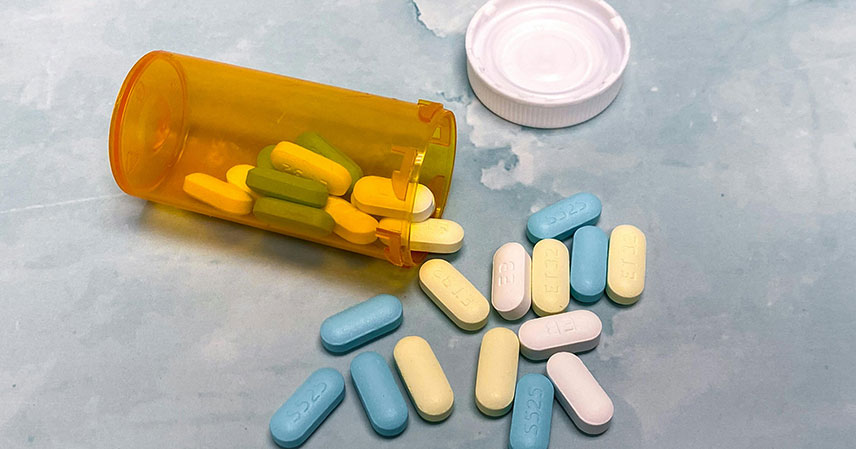
The use of non-steroidal anti-inflammatory drugs (NSAIDs) post-surgery is widespread. Doctors often prescribe them for their powerful pain-relieving properties. They also help to reduce swelling around the surgical site. This protocol is deeply ingrained in clinical guidelines.
The prevailing thought is that inflammation is inherently detrimental. It is often associated with pain and discomfort. Thus, suppressing it seems like a logical step. This new study, however, prompts a critical re-evaluation. It questions the very foundation of this standard procedure.
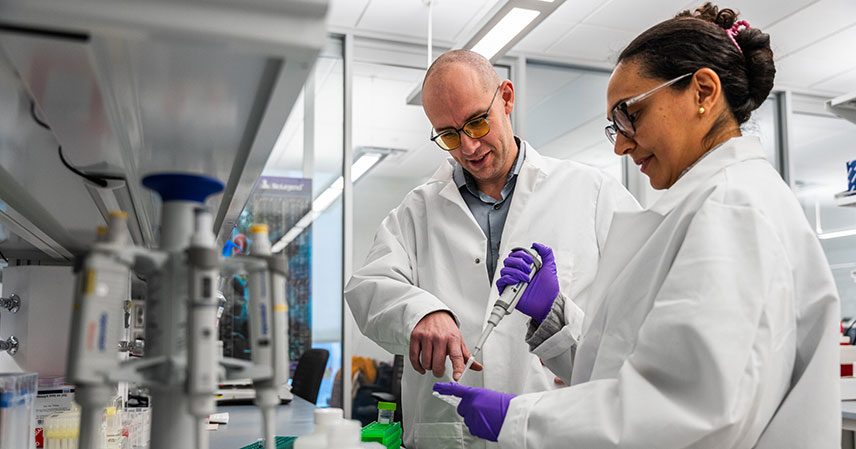
The Michigan State University researchers embarked on this study with a fresh perspective. They aimed to understand the nuanced role of inflammation. Their findings suggest that our understanding might be incomplete. The body’s natural inflammatory response could be more complex and beneficial than previously thought.
Understanding the Inflammatory Process 🔬
Inflammation is the body’s natural response to injury or infection. It is a complex biological process. Its primary goal is to initiate healing. When tissue is damaged, the body sends immune cells to the site. These cells clear debris and begin the repair process.
This initial, acute inflammation is crucial. It is a necessary first step in tissue regeneration. The process involves various chemical mediators. These mediators signal the body to start rebuilding. They also protect the injured area from further harm.
The new research implies that blocking this natural cascade might interfere with healing. NSAIDs work by inhibiting certain enzymes. These enzymes are vital for producing inflammatory chemicals. By doing so, they reduce pain and swelling. But they might also be hindering the body’s own restorative actions.
This suggests a delicate balance. While excessive or chronic inflammation can be harmful, acute inflammation is essential. It primes the body for repair. The study highlights the potential downside of disrupting this delicate physiological balance.
Implications for Post-Surgical Care & Future Research 🏥
The findings from Michigan State University carry significant implications. They could reshape post-surgical pain management strategies. If blocking inflammation delays healing, medical professionals might need to reconsider current practices. This could lead to a paradigm shift in patient care.
One potential implication is the exploration of alternative pain management. Non-pharmacological methods might gain more prominence. These could include physical therapy or targeted nerve blocks. The focus might shift from suppressing inflammation to supporting natural healing.
However, it is vital to remember that this is one study. Further extensive research is needed. Larger clinical trials will be necessary. These trials would confirm or refute these preliminary findings. They would also explore specific patient populations.
Patients should not alter their medication regimen without medical advice. Always consult with your healthcare provider. They can offer guidance based on your specific condition. Medical decisions should always be made in consultation with a qualified professional.
Key Insights from the Study 🧠
- The Michigan State University study challenges the routine use of anti-inflammatory drugs (NSAIDs) after surgery.
- Researchers suggest that blocking inflammation post-operation may actually delay recovery. It could also prolong pain.
- The study implies that the body’s natural inflammatory response is crucial for initiating the healing process. Disrupting it might be counterproductive.
- Further research, including larger clinical trials, is essential. This will validate these findings. It will also help to refine post-surgical care protocols.
- Patients should always discuss their pain management options with their doctors. Do not make changes to medication independently.
This research opens new avenues for understanding post-surgical recovery. It underscores the complexity of the human body. The role of inflammation in healing is intricate. This study encourages a more nuanced approach to medical interventions.
As medical science evolves, so too does our understanding of health. This investigation serves as a powerful reminder. What once seemed like a straightforward solution may require deeper scrutiny. Continuous research helps us refine best practices for patient well-being.
Source: Suppressing postoperative inflammation may prolong pain