
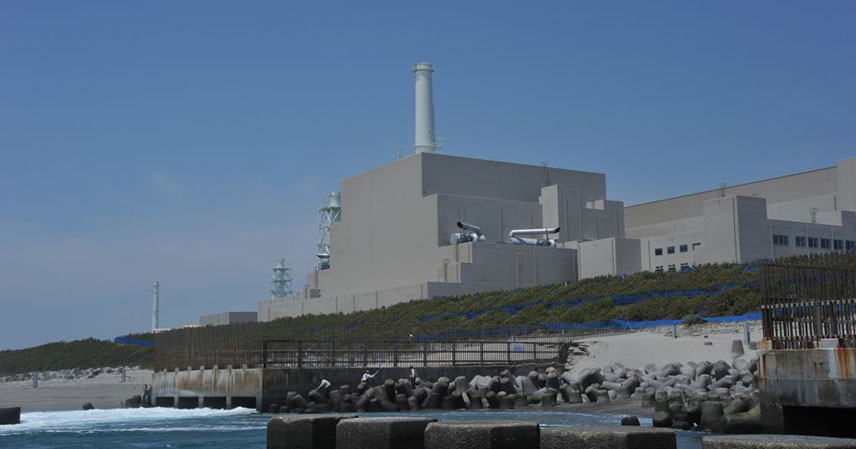
Japan’s ambitious, post-Fukushima nuclear restart program has hit a significant snag. The Nuclear Regulation Authority (NRA) recently halted the relicensing process for two reactors. This decision affects the Hamaoka plant, operated by Chubu Electric Power Co. The reason? Alarming revelations of fabricated seismic hazard data.
This scandal casts a long shadow over the nation’s energy future. It raises critical questions about safety and transparency.
The Hamaoka Scandal Unveiled 🚨
The controversy erupted this week when the NRA publicly announced its decision. It followed an internal alert from a whistleblower in February of last year. This individual bravely exposed the data manipulation. The issue became public after regulators halted an ongoing evaluation. This evaluation could have led to a reactor restart.
Chubu Electric Power Co. responded swiftly to the public outcry. The company issued a detailed press release. It openly described how seismic safety data was manipulated. This admission confirmed fears about safety protocols. It also highlighted a severe breach of trust.
The Hamaoka plant’s location makes this revelation particularly egregious. It sits on the coast, near an active subduction fault. This geological vulnerability demands the highest safety standards. Fabricating data in such a sensitive area is deeply concerning. It directly jeopardizes public safety.
Echoes of Fukushima: A Troubling Precedent ☢️
The parallels between Hamaoka and Fukushima Daiichi are stark. Both plants are situated on Japan’s vulnerable coastline. Both are exposed to significant seismic risks. The Fukushima disaster in 2011 led to a nationwide shutdown of nuclear reactors. It fundamentally reshaped Japan’s energy policy.
Japan has been slowly reactivating its extensive nuclear power plant collection. This process is crucial for its energy security. However, it is also fraught with public apprehension. The Hamaoka scandal now threatens to derail these efforts. It rekindles painful memories of past failures.
The public’s trust in nuclear power remains fragile. Incidents like the Hamaoka data fabrication erode this trust further. Regulators face immense pressure to ensure absolute safety. Any compromise in this area is unacceptable. It undermines the entire restart initiative.
Deeper Dive into Seismic Data Manipulation 📉
The core of the scandal lies in the method of seismic risk evaluation. Companies often assess risks by scaling up ground motion. This involves using data from smaller earthquakes. It’s a complex and inherently inexact process. Accuracy is paramount for safety.
The standard industry approach is robust. It requires creating a group of 20 different upscaled earthquake motions. Analysts then identify the one that best represents the average. This method ensures a comprehensive and conservative safety assessment. It minimizes the margin for error.
Chubu Electric’s actions deviated from this standard. The company reportedly manipulated this critical data. Such fabrication can mask real dangers. It can lead to underestimating potential seismic impacts. This puts millions at risk. The precise nature of their manipulation is now under intense scrutiny.
Implications for Japan’s Energy Future and Regulatory Oversight 🇯🇵
This scandal poses significant challenges for Japan’s energy strategy. The nation relies heavily on nuclear power to meet its energy demands. A full nuclear restart is vital for reducing carbon emissions. It also lessens dependence on imported fossil fuels. The Hamaoka halt could delay these goals.
The Nuclear Regulation Authority’s role is now more critical than ever. It must demonstrate unwavering commitment to safety. The NRA’s prompt action in halting Hamaoka’s relicensing is commendable. However, it also highlights potential vulnerabilities in oversight. Greater scrutiny of all plants is essential.
Companies like Chubu Electric must be held accountable. Transparency and integrity are non-negotiable in nuclear operations. This incident underscores the urgent need for stricter enforcement. It demands enhanced whistleblower protections. Japan’s nuclear future depends on regaining and maintaining public trust.
Key Insights 💡
- The Hamaoka plant’s relicensing process has been halted due to fabricated seismic hazard data, revealing a severe breach of safety protocols by Chubu Electric Power Co.
- This scandal directly echoes the vulnerabilities exposed during the Fukushima Daiichi disaster, especially given Hamaoka’s location on an active subduction fault.
- The manipulation involved deviating from standard seismic evaluation methods, which typically require robust averaging of multiple upscaled earthquake motions to ensure safety.
- The incident significantly erodes public trust in nuclear power, posing a major challenge to Japan’s ongoing efforts to restart its nuclear fleet and achieve energy security.
- It underscores the critical importance of stringent regulatory oversight and corporate integrity to prevent future safety compromises in the nuclear industry.
The Hamaoka plant scandal is more than just a data irregularity. It represents a profound failure of corporate responsibility. It also serves as a stark reminder of the inherent risks of nuclear power. Japan’s path to a stable energy future must prioritize safety above all else. Regulators, operators, and the public must learn from these critical lessons. Only then can true confidence be restored.
Source: Japanese nuclear plant operator fabricated seismic risk data