
Chronic obstructive pulmonary disease (COPD) stands as a significant global health challenge. It is a leading cause of both illness and premature death worldwide. Effective management of this progressive lung disease hinges critically on early and accurate diagnosis. However, achieving this early detection often proves difficult.
Traditional diagnostic methods can be resource-intensive. Furthermore, the early symptoms of COPD are frequently non-specific. This combination often leads to delayed identification, impacting patient outcomes.
A recent study, published in the esteemed journal eBioMedicine, offers a beacon of hope. This groundbreaking research investigates a novel approach: the use of electrocardiograms (ECGs) analyzed through advanced deep learning algorithms. The aim is to assess their effectiveness as a tool for early COPD detection. This innovative method could potentially transform how we screen for and identify this debilitating condition.
The Silent Burden: Understanding COPD and its Diagnostic Hurdles 🌬️
COPD encompasses a group of progressive lung diseases. These conditions block airflow and make breathing difficult. Emphysema and chronic bronchitis are the most common forms. Millions of people globally suffer from COPD, often unaware in its early stages.
Symptoms typically include shortness of breath, coughing, wheezing, and chest tightness. These symptoms often worsen over time. They are also frequently mistaken for normal signs of aging or other less severe conditions. This misunderstanding contributes significantly to delayed diagnosis.
The gold standard for diagnosing COPD is spirometry. This lung function test measures how much air a person can exhale and how quickly. While effective, spirometry requires specialized equipment and trained personnel. It is not always readily available, especially in primary care settings or resource-limited areas. This accessibility barrier often means that many individuals are not diagnosed until their disease has progressed significantly. Early detection is crucial for implementing lifestyle changes, starting treatments, and slowing disease progression, ultimately improving quality of life.
Pioneering Detection: Deep Learning’s Role in ECG Analysis 🧠
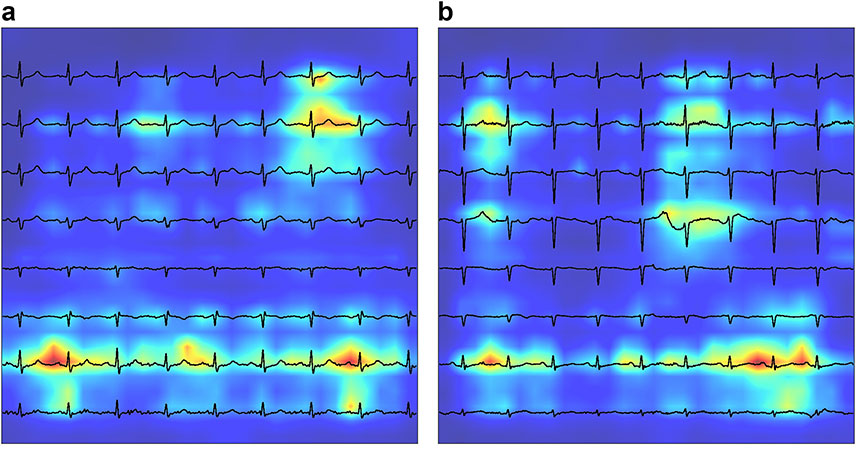
The study featured in eBioMedicine introduces a fascinating intersection of medical diagnostics and artificial intelligence. Researchers explored the power of deep learning to interpret routine ECGs. Electrocardiograms are widely available and non-invasive. They record the electrical activity of the heart. While primarily used for cardiac conditions, this research suggests they might hold clues for pulmonary health too.
Deep learning algorithms are a subset of artificial intelligence. They are capable of learning complex patterns from vast datasets. In this context, the algorithms were trained to identify subtle changes in ECG waveforms. These changes might be imperceptible to the human eye. The premise is that COPD, by affecting lung function, can subtly influence cardiac activity. The heart and lungs are intrinsically linked. Therefore, changes in one system can manifest in the other.
This methodology offers several compelling advantages. ECGs are routinely performed during standard medical check-ups. They are relatively inexpensive and quick to administer. Leveraging existing ECG data through deep learning could provide a widespread, accessible, and cost-effective screening tool. This could significantly reduce the barriers associated with traditional spirometry, paving the way for earlier intervention and improved patient outcomes.
Future Horizons: Implications for COPD Management and Public Health 🌍
The implications of this research are potentially transformative. If validated through larger, diverse studies, deep learning-powered ECG analysis could become a frontline screening tool for COPD. Imagine a scenario where a routine ECG, performed for any reason, also provides an early warning sign for lung disease. This could allow for proactive intervention rather than reactive treatment.
Such a tool could be particularly beneficial in primary care settings. General practitioners could identify at-risk individuals earlier. These individuals could then be referred for definitive spirometry testing. This streamlined process could lead to a significant increase in early diagnoses. Consequently, patients could begin treatments sooner, potentially preserving lung function and enhancing their quality of life.
Furthermore, this technology holds promise for improving health equity. It could expand access to early detection in underserved communities. These areas often lack access to specialized diagnostic equipment. While promising, it is important to emphasize that this research represents an initial step. Further extensive clinical trials are necessary to fully validate its accuracy, reliability, and generalizability across different populations. The integration of AI into clinical practice requires rigorous testing and ethical considerations to ensure patient safety and equitable application.
Key Insights from the Study ✨
- Early Detection Potential: The study suggests that deep learning analysis of ECGs could serve as an effective tool for the early detection of COPD.
- Accessibility & Cost-Effectiveness: Utilizing widely available ECGs offers a non-invasive, cost-effective, and accessible screening method, potentially overcoming barriers of traditional spirometry.
- AI’s Role in Diagnostics: This research highlights the growing potential of artificial intelligence, specifically deep learning, to uncover complex patterns in routine medical data for disease identification.
- Future Screening Paradigm: It paves the way for a future where AI-driven analysis of common tests could significantly enhance proactive health management and improve public health outcomes for conditions like COPD.
The study’s findings mark an exciting advancement in the fight against COPD. By harnessing the power of artificial intelligence, researchers are opening new avenues for early diagnosis. This innovative approach moves us closer to a future where more individuals can receive timely care. Ultimately, this could lead to better management and improved prognosis for those affected by this challenging disease. The journey continues, but the path forward looks increasingly promising.
Source: AI-powered ECG analysis shows promise for early COPD detection