
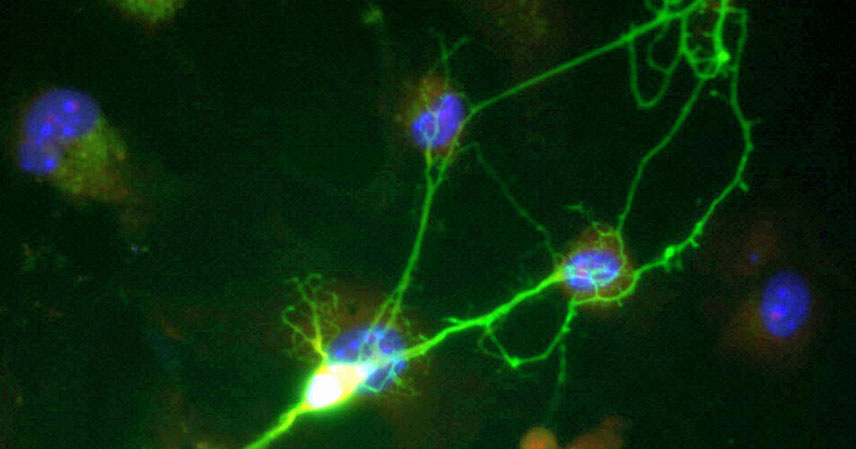
The landscape of Alzheimer’s disease research has seen a significant breakthrough. Scientists at the University of Colorado Anschutz have unveiled a discovery. Their findings challenge previous understandings of neurodegeneration. They suggest brain neuron changes may begin much earlier than thought. This includes significant cell loss. This pioneering research offers a glimmer of hope. It points towards a potential new strategy for intervention. The strategy involves repurposing an existing, long-approved medication. This drug could slow the progression of neurological damage. This development holds immense promise. It could benefit those battling Alzheimer’s and other cognitive impairments.
Unpacking the Early-Life Brain Damage Discovery 🧠
The University of Colorado Anschutz team made a crucial observation. They found that alterations in brain neurons are not solely a late-stage phenomenon. Instead, these detrimental changes, including measurable cell loss, might initiate in early life. This challenges the traditional view of Alzheimer’s onset. Historically, AD was often perceived as a disease of late adulthood. This new understanding shifts the timeline dramatically. It suggests a much longer period of silent progression.
This revelation is profoundly significant. It opens new avenues for proactive intervention. If neuronal damage starts decades before symptoms appear, then early detection becomes paramount. It also underscores the importance of understanding underlying biological mechanisms. The research suggests that the brain might be fighting a silent battle for many years. Identifying these early markers could revolutionize diagnostic approaches. It could also lead to more effective preventative measures.
The scientists’ work highlights the complexity of neurodegenerative diseases. It emphasizes the need for a holistic approach. Their findings provide a deeper insight into the disease’s insidious progression. Understanding the timeline of neuron loss is critical. It allows researchers to target interventions at the most effective stages. This knowledge is a powerful tool in the fight against cognitive decline. It could reshape future research directions.
The Strategic Advantage of Drug Repurposing 💊
Perhaps the most exciting aspect of this research involves a familiar medication. The scientists identified a drug already approved for other conditions. This drug shows potential in mitigating early brain damage. The concept of drug repurposing offers many advantages. It significantly reduces the time and cost associated with drug development. These drugs have already undergone extensive safety testing. Their side effect profiles are well-understood. This accelerates their potential application in new therapeutic areas.
Repurposing an existing drug for Alzheimer’s disease is a game-changer. It bypasses years of initial clinical trials. This rapid transition could bring treatments to patients much faster. The potential impact on public health is immense. It offers a more immediate pathway to intervention. This approach is particularly valuable for complex diseases like AD. Such conditions require urgent and innovative solutions.
While the specific drug remains unnamed in the initial report, its discovery is promising. It suggests a mechanism to slow the underlying damage. This is not just about managing symptoms. It’s about addressing the root cause of neuronal degeneration. The drug’s known safety profile makes it an attractive candidate. Further research will undoubtedly focus on its precise mechanisms. It will also explore its efficacy in human trials. This could unlock a new era of Alzheimer’s treatment.
Broader Horizons for Cognitive Well-being 🌐
The implications of this discovery extend beyond Alzheimer’s disease. Many other cognitive issues share common neurodegenerative pathways. Conditions like mild cognitive impairment (MCI) could also benefit. Even age-related cognitive decline might be impacted. The ability to slow neuron loss could have widespread benefits. It could improve the quality of life for millions.
This research reinforces the importance of early intervention. If brain changes begin early, then early detection is crucial. Lifestyle factors play a role in brain health. Diet, exercise, and mental stimulation are all important. Combining these with potential pharmacological interventions could be powerful. This holistic approach could offer the best defense against cognitive decline.
It’s vital to maintain a balanced perspective. This research offers significant promise. However, it is still in its early stages. More studies are needed to confirm these findings. Clinical trials will be essential. They will determine the drug’s safety and efficacy in humans. While not a cure, this development represents a substantial step forward. It offers tangible hope for future therapeutic strategies.
Key Insights from the Breakthrough Research ✨
- Early Onset: Brain neuron changes and cell loss may begin much earlier in life than previously understood, shifting the focus to earlier intervention.
- Drug Repurposing: An existing, long-approved drug shows promise in slowing this damage, offering a faster track to potential treatment options.
- Broader Impact: The findings could have implications for Alzheimer’s disease and other cognitive impairments, potentially improving overall brain health.
- Future Research: While promising, further studies and clinical trials are necessary to validate these findings and translate them into effective therapies.
The work from the University of Colorado Anschutz scientists is truly groundbreaking. It offers a renewed sense of optimism. The understanding that brain damage starts early is critical. The potential to repurpose an existing drug is incredibly exciting. This development could pave the way for novel treatments. It moves us closer to effective strategies for neurodegenerative diseases. We must remember that this is a journey of discovery. Each step forward brings us closer to a future. A future where cognitive health can be better preserved. This research is a testament to scientific perseverance. It provides genuine hope for patients and their families worldwide.
Source: Natural protein drug may slow neuron death linked to Alzheimer’s disease