
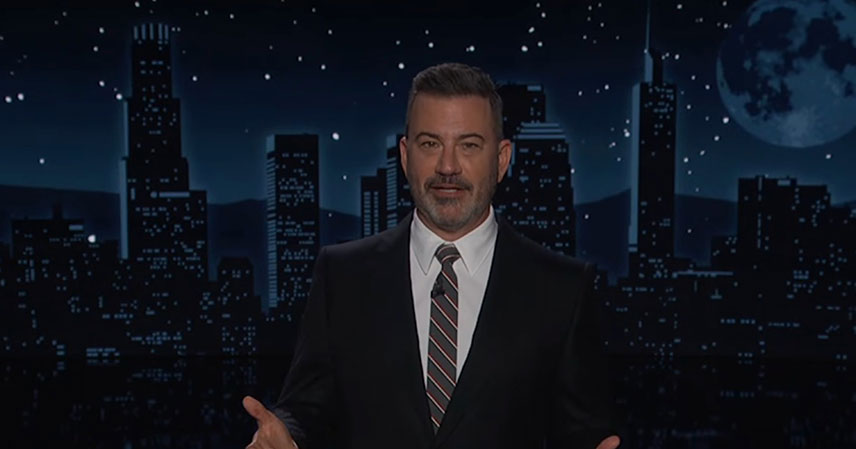
The political landscape is a complex tapestry, woven daily by events, statements, and their subsequent interpretations. Recent developments offered a fascinating case study in this dynamic. A surprise primetime address from former President Donald Trump captured national attention. Simultaneously, an ‘explosive’ interview with White House Chief of Staff Susie Wiles sent ripples through political circles.
These two events became immediate fodder for public discourse. They also provided a unique challenge for late-night television hosts. Their reactions, or lack thereof, offer significant insights. We will unpack the layers of these moments. We will explore their broader implications for media, politics, and public perception.
The Late-Night Lens on Trump’s Address 📺
Donald Trump’s national addresses have always commanded significant media attention. His recent primetime speech was no exception. Such addresses are carefully orchestrated. They aim to deliver a specific message to the American public. They often bypass traditional media filters.
Late-night hosts, however, are a different kind of filter. They operate at the intersection of news and entertainment. Their role is often to satirize, critique, or simply reflect on current events. The decision to either discuss or ignore Trump’s address was a telling one. It revealed strategic choices by the hosts.
Some hosts likely used the address as a spring board for comedic monologues. They might have dissected its rhetoric or highlighted perceived inconsistencies. This approach serves to contextualize the message for their audience. It often frames it within a critical, humorous lens. This can influence public opinion.
Conversely, the decision to ignore such a high-profile event is equally significant. It can signal a desire to move past a particular narrative. It might reflect a belief that the event lacked substance. Or, it could be a deliberate attempt to deny further oxygen to a controversial figure. Both approaches carry weight in the media ecosystem. They shape how viewers process political information. They can influence the national conversation.
Susie Wiles’ Explosive Revelations 💥
While late-night hosts processed public-facing events, another story unfolded behind the scenes. White House Chief of Staff Susie Wiles gave an interview. This interview was described as ‘explosive.’ The chief of staff role is incredibly powerful. It involves managing the President’s schedule and staff. It also involves controlling access to the Oval Office.
An ‘explosive’ interview from such a senior figure suggests significant revelations. These could pertain to internal White House dynamics. They might shed light on policy decisions. They could even touch on strategic planning for future political endeavors. Such insights are invaluable. They offer a rare glimpse into the inner workings of power.
The implications of Wiles’ statements are far-reaching. They can impact public trust. They might shift political alliances. They could also inform the strategies of opposing parties. When a chief of staff speaks candidly, it is rarely without consequence. Their words carry immense weight. They can alter perceptions of an administration’s effectiveness. They can also influence its future trajectory.
Journalists and analysts will scrutinize every word. They will look for clues about the administration’s stability. They will also seek insights into its decision-making processes. The interview likely provided a treasure trove of information. This information will fuel political discussions for weeks to come. It underscores the importance of insider accounts in shaping the political narrative.
The Interplay of Media, Politics, and Public Perception 🤝
These two events highlight the intricate relationship between media and politics. Late-night shows act as a cultural barometer. They reflect and influence public sentiment. Their handling of Trump’s address demonstrates this power. They can amplify messages or diminish them. Their choices impact voter engagement.
Susie Wiles’ interview, on the other hand, provides raw material. It offers direct insights into political operations. These insights are then processed by various media outlets. They become part of the broader political narrative. The way this information is reported shapes public perception. It influences how citizens understand governance.
The modern political landscape is increasingly defined by this interplay. Information flows rapidly. It is filtered through multiple lenses. Understanding these dynamics is crucial. It helps us comprehend how public opinion is formed. It also reveals how political leaders communicate. Both traditional news and satirical commentary play vital roles. They contribute to the ongoing political discourse. They help shape the collective understanding of events.
Ultimately, these episodes underscore a critical truth. Media is not merely a passive mirror of events. It is an active participant. It constructs the reality that many citizens consume. Its influence on political outcomes cannot be overstated. It is a powerful force in shaping public thought.
Key Insights into the Political Narrative 💡
- Media Power: Late-night hosts wield significant influence. Their decisions to cover or ignore major political events can shape public discourse and perception. This is a powerful tool.
- Insider Revelations: Statements from high-ranking officials, like a Chief of Staff, offer critical insights. These can expose internal dynamics. They can also impact an administration’s standing and future direction. Such interviews are highly impactful.
- Narrative Construction: The processing of raw political events through various media channels is key. It defines how the public understands and reacts to political developments. This construction is ongoing.
- Strategic Communication: Political figures and media outlets engage in a constant dance. They strategically use or react to coverage. This aims to control narratives and influence public opinion. It is a calculated effort.
Source: Jimmy Kimmel on Trump’s speech: ‘Surprise primetime episode of The Worst Wing’