In a significant development for liver health, new research suggests a dual approach involving the common medication lactulose and the ancient practice of Tai Chi could dramatically reduce fall risks in patients suffering from cirrhosis. These groundbreaking findings were presented as a late-breaking abstract by Michigan Medicine hepatologists at The Liver Meeting 2025 in Washington, D.C.
This study, known as the LiveSMART Trial, offers a beacon of hope. It addresses a critical, often overlooked complication of advanced liver disease. Falls can lead to severe injuries and significantly impair the quality of life for individuals with cirrhosis.
Understanding the Vulnerability: Cirrhosis and Fall Risk 🤕
Cirrhosis, a late stage of scarring of the liver, severely impacts liver function. It can result from various causes, including chronic viral hepatitis, alcohol abuse, and non-alcoholic fatty liver disease. Patients with cirrhosis face a multitude of health challenges.
One of the less recognized, yet highly impactful, complications is an increased propensity for falls. This elevated risk stems from several factors. Hepatic encephalopathy (HE) is a major contributor. HE is a decline in brain function that occurs as a result of severe liver disease. It causes confusion, disorientation, and impaired motor skills.
Beyond HE, individuals with cirrhosis often experience muscle weakness and sarcopenia. This is the loss of muscle mass and strength. They also frequently suffer from poor balance and coordination. These combined issues create a dangerous environment, making falls a frequent and serious concern. A fall can lead to fractures, head injuries, and hospitalizations, further worsening an already fragile health status.
The LiveSMART Trial: An Innovative Dual Approach 🧘♀️💊
The LiveSMART Trial investigated the combined impact of lactulose and Tai Chi. This combination targets different aspects of fall prevention. Lactulose is a well-established medication. It is primarily used to treat and prevent hepatic encephalopathy. It works by reducing ammonia levels in the blood, which can be toxic to the brain.
By effectively managing HE, lactulose can improve cognitive function and reduce confusion. This directly addresses one of the primary drivers of instability in cirrhosis patients. Its role in fall prevention, therefore, is a logical extension of its established benefits for brain health in this population.
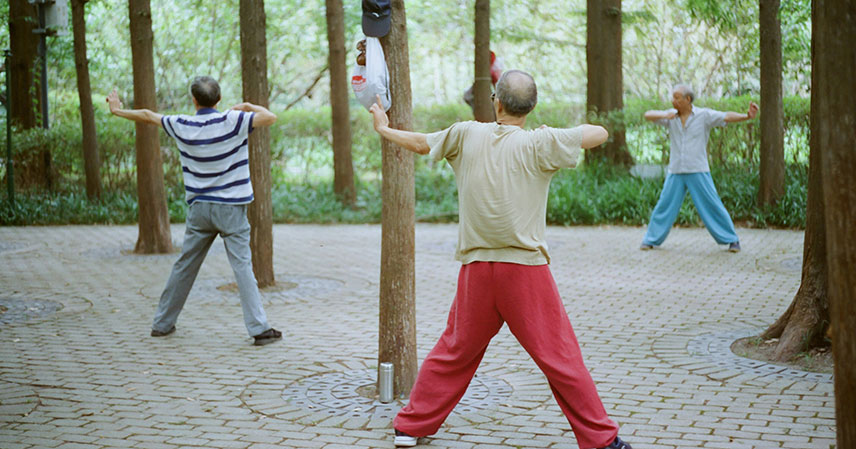
Tai Chi, on the other hand, is a gentle mind-body exercise. It is known for its slow, deliberate movements. Tai Chi has long been recognized for improving balance, flexibility, and muscle strength. It also enhances proprioception, which is the body’s ability to sense its position in space. For patients with compromised physical abilities, Tai Chi offers a low-impact, accessible exercise option. It can be tailored to individual needs.
The synergy between these two interventions is particularly compelling. Lactulose tackles the neurological component, while Tai Chi addresses the physical and balance deficits. This comprehensive strategy could be far more effective than either intervention alone. The Michigan Medicine hepatologists’ presentation at The Liver Meeting 2025 underscores the significance of these findings. It highlights their potential to reshape current care protocols.
Implications for Patient Care and Future Research 🌐
The results from the LiveSMART Trial carry substantial implications. They suggest a straightforward, actionable strategy for clinicians. Incorporating lactulose and Tai Chi into routine care could significantly enhance patient safety. It could also improve the overall quality of life for those living with cirrhosis. This is particularly important given the high morbidity associated with falls in this vulnerable group.
The successful integration of a non-pharmacological intervention like Tai Chi is noteworthy. It emphasizes the growing recognition of holistic approaches in medicine. This research opens doors for further studies. Future investigations could explore optimal dosing for lactulose in this context. They could also examine the ideal frequency and duration of Tai Chi sessions.
Moreover, researchers might investigate the long-term efficacy of this combined therapy. Understanding its impact on other patient outcomes, such as hospitalization rates and overall survival, would be valuable. This study provides a strong foundation. It paves the way for new clinical guidelines and improved patient management strategies.
Key Insights from the LiveSMART Trial ✨
- Dual Intervention Success: The LiveSMART Trial demonstrates the effectiveness of combining lactulose and Tai Chi. This dual approach significantly reduces fall risk in patients with cirrhosis.
- Holistic Patient Care: The findings highlight the importance of integrating both pharmacological (lactulose) and non-pharmacological (Tai Chi) strategies. This creates a more comprehensive care model for complex conditions.
- Improved Quality of Life: By preventing falls, this intervention can lead to a substantial improvement in patient safety and independence. It directly enhances the quality of life for individuals battling cirrhosis.
- Paving the Way for New Guidelines: These results could influence future clinical practice guidelines. They offer a simple, yet powerful, method to mitigate a serious complication of advanced liver disease.
The LiveSMART Trial represents a pivotal moment in cirrhosis management. It offers a practical and effective solution to a challenging problem. As the medical community awaits the full publication of these findings, the initial reports are highly encouraging. They underscore the power of thoughtful research. They also highlight the potential for simple interventions to make a profound difference in patient lives.
Source: Lactulose and tai chi show promise preventing falls for cirrhosis patients