Prostate cancer continues to be a formidable health challenge globally. Early and accurate detection is paramount for effective treatment outcomes. However, existing diagnostic and tracking methods often present limitations. These limitations can hinder precise disease management. A recent development offers significant hope in this critical area.
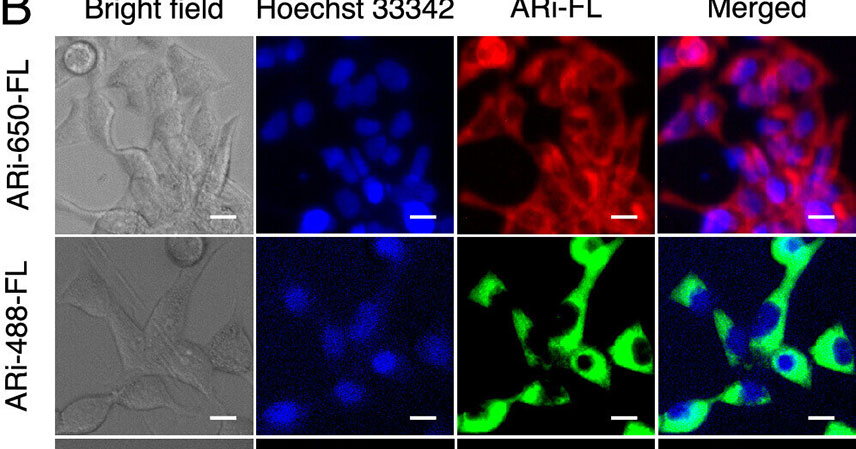
Researchers from Wayne State University and the Barbara Ann Karmanos Cancer Institute have announced a promising advancement. They have engineered a novel chemical imaging probe. This probe is designed to resist breakdown within the body. This unique characteristic could provide clinicians with a more dependable tool. It aims to improve how prostate cancer is tracked and potentially treated.
The Persistent Challenge of Prostate Cancer Detection 🔬
Detecting prostate cancer accurately and early is a complex endeavor. Current diagnostic approaches often involve PSA (Prostate-Specific Antigen) tests. These tests can indicate the possibility of cancer. However, PSA levels can also be elevated by non-cancerous conditions. This leads to potential false positives. Further diagnostic steps, such as biopsies, are invasive. They also carry inherent risks.
Imaging techniques play a vital role in cancer diagnosis. Magnetic Resonance Imaging (MRI) is commonly used. Yet, even advanced imaging can struggle to precisely delineate tumor margins. It can also face challenges in monitoring disease progression. This lack of clear, consistent tracking can complicate treatment planning. It also impacts the ability to assess treatment effectiveness over time. The medical community has long sought more robust and specific imaging agents. These agents are crucial for improving patient care pathways.
Unpacking the Novel Chemical Imaging Probe 🧪
The innovation from Wayne State University and the Barbara Ann Karmanos Cancer Institute addresses these long-standing issues directly. They have developed a specialized chemical imaging probe. This probe stands out due to its remarkable stability within the body. Many existing probes are susceptible to enzymatic degradation. This means they break down quickly. Their effectiveness can diminish rapidly.
The new probe, however, exhibits a strong resistance to such breakdown. This resistance is a game-changer for medical imaging. It ensures the probe remains intact and functional for extended periods. This persistence allows for more consistent and reliable tracking of cancer cells. It provides a clearer, more sustained signal. This enhanced stability translates into greater confidence for doctors. They can better visualize cancerous tissues. This improved visualization is critical for both diagnosis and monitoring.
The underlying mechanism involves specific molecular design. Researchers engineered the probe to withstand biological processes that typically dismantle similar compounds. This careful design ensures that the probe maintains its integrity. It continues to provide accurate imaging data. This innovation represents a significant leap forward in molecular imaging capabilities.
Implications for Future Prostate Cancer Treatment 💡
The development of this stable chemical imaging probe carries profound implications. It could revolutionize how prostate cancer is managed. First, it offers the potential for earlier and more precise detection. A dependable probe could highlight smaller tumors. It could also identify disease recurrence more readily. This early detection is often key to successful treatment.
Furthermore, this probe could significantly enhance targeted therapies. By accurately localizing cancer cells, treatment can be delivered with greater precision. This minimizes damage to healthy surrounding tissues. It potentially improves treatment efficacy. It also reduces side effects. Doctors could use this probe to guide surgical removal of tumors. It could also direct radiation therapy more effectively.
Beyond initial treatment, the probe holds promise for monitoring. Clinicians could track a patient’s response to therapy in real-time. Changes in probe uptake could indicate treatment success or failure. This would allow for timely adjustments to treatment plans. Ultimately, this could lead to more personalized and effective care strategies. The goal is to improve patient outcomes and quality of life.
Key Insights from This Research 🎯
- The new chemical imaging probe developed by Wayne State and Karmanos researchers is designed for enhanced stability within the body.
- This probe’s resistance to breakdown offers a more dependable method for tracking prostate cancer cells over time.
- Improved imaging capabilities could lead to earlier, more precise diagnosis and more effective guidance for targeted prostate cancer treatments.
- The innovation has the potential to significantly improve patient monitoring and allow for personalized adjustments to therapeutic strategies.
- This research underscores the ongoing commitment to advancing medical science. It brings new hope to individuals affected by prostate cancer.
This groundbreaking research from Wayne State University and the Barbara Ann Karmanos Cancer Institute marks a pivotal moment. It offers a new tool in the fight against prostate cancer. While further research and clinical trials are necessary, the potential is clear. A more stable and reliable imaging probe could transform patient care. It could lead to better diagnoses and more effective treatments. This advancement brings us closer to a future with improved outcomes for those battling prostate cancer.
Source: New imaging probe helps track prostate cancer and possibly treat it before resistance develops